
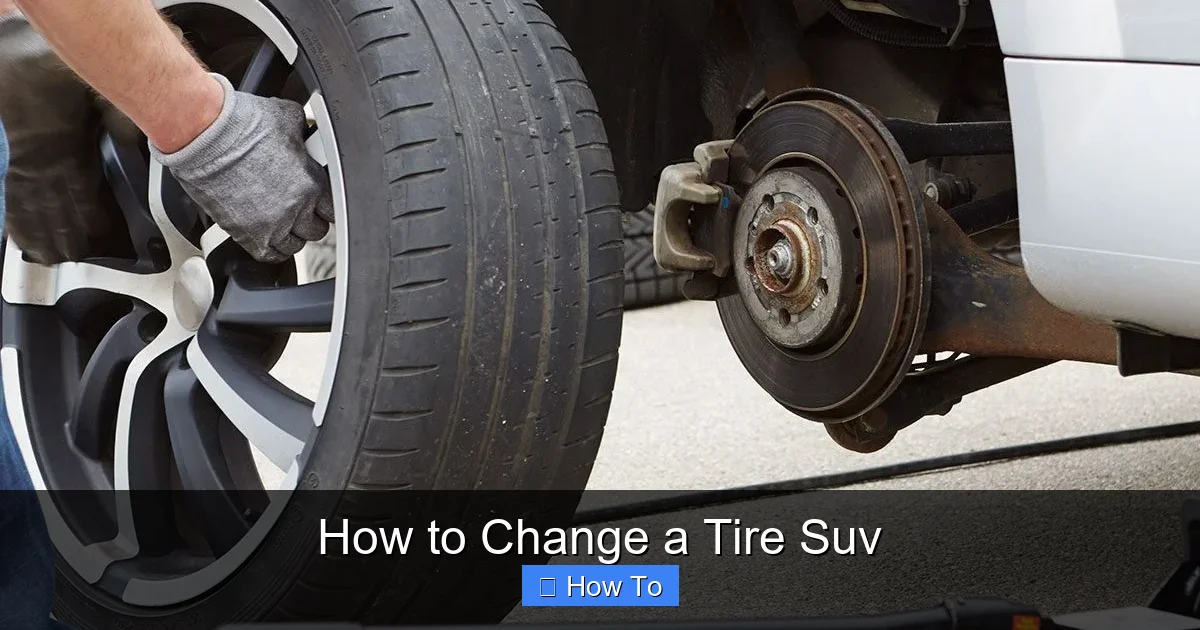
Changing a tire on an SUV is easier than you think—with the right tools and steps. This guide walks you through the entire process, from safety prep to reinstalling the spare, so you can get back on the road confidently.
Key Takeaways
- Safety comes first: Always park on a flat, stable surface, turn on hazard lights, and use wheel chocks to prevent rolling.
- Use the right tools: A lug wrench, jack, and spare tire designed for your SUV are essential—check your owner’s manual for specifications.
- Loosen lug nuts before lifting: Break the nuts free while the SUV is still on the ground to avoid wheel spin.
- Lift with care: Position the jack correctly under the vehicle’s lift point—never under plastic or suspension parts.
- Spare tire limitations: Most SUVs come with temporary “donut” spares rated for 50 mph and 50 miles—replace or repair the flat ASAP.
- Practice at home: Try changing a tire in your driveway before you’re stuck on the side of the road.
- Call for help if unsure: If you’re in traffic, bad weather, or feel unsafe, call roadside assistance instead of risking injury.
How to Change a Tire on an SUV: A Complete Step-by-Step Guide
Getting a flat tire in your SUV can be stressful—especially if you’re on a busy highway, in bad weather, or far from help. But don’t panic! Changing a tire on an SUV is very similar to changing one on a car, with just a few extra considerations due to the vehicle’s size and weight. With the right tools, a little know-how, and a focus on safety, you can handle this common roadside issue like a pro.
In this guide, you’ll learn everything you need to know about how to change a tire on an SUV safely and efficiently. We’ll walk you through each step—from preparing your vehicle and gathering tools to removing the flat tire, installing the spare, and getting back on the road. Whether you’re a seasoned driver or a first-time SUV owner, this guide will give you the confidence to tackle a flat tire with ease.
Why Changing a Tire on an SUV Is Different
SUVs are heavier and taller than most sedans, which means they require a bit more care when lifting and handling. Their larger wheels and tires also mean more torque is needed to loosen lug nuts. Additionally, many SUVs come with all-wheel drive (AWD) or four-wheel drive (4WD), which can affect how you handle tire changes—especially if you’re using a temporary spare.
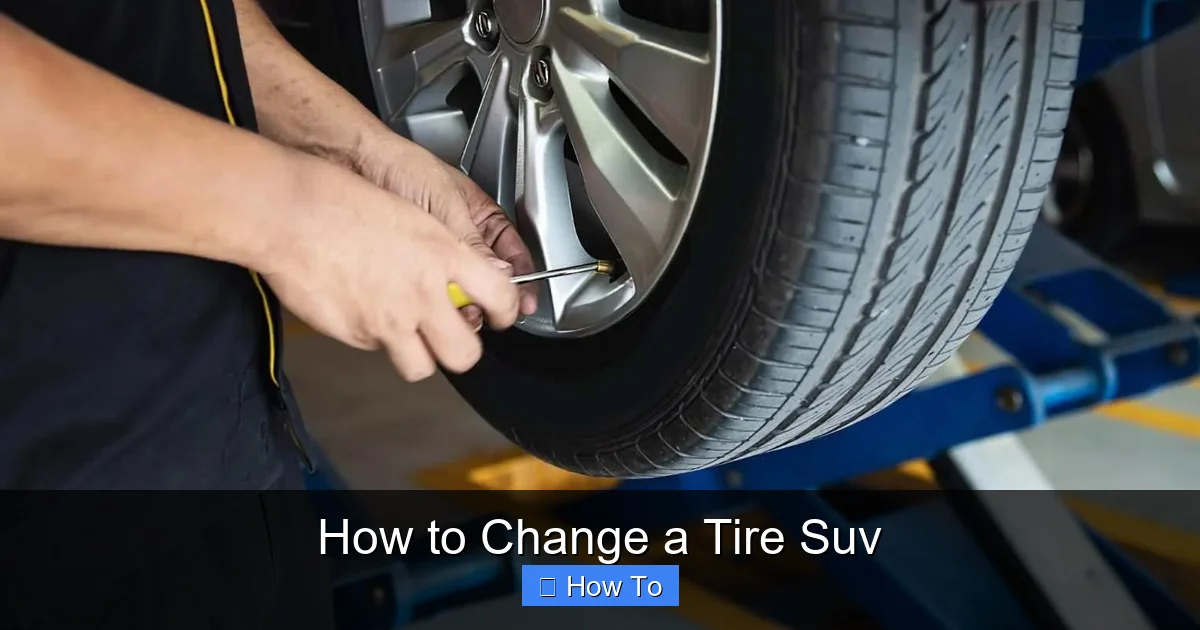
Visual guide about How to Change a Tire Suv
Image source: carcility.com
Most importantly, SUVs often have higher ground clearance, so the jack must be placed correctly to avoid damaging the undercarriage. Always refer to your owner’s manual for the exact jack points and recommended procedures for your specific model.
What You’ll Need: Tools and Equipment
Before you start, make sure you have the right tools on hand. Most SUVs come with a basic tire-changing kit, but it’s smart to double-check and supplement if needed.
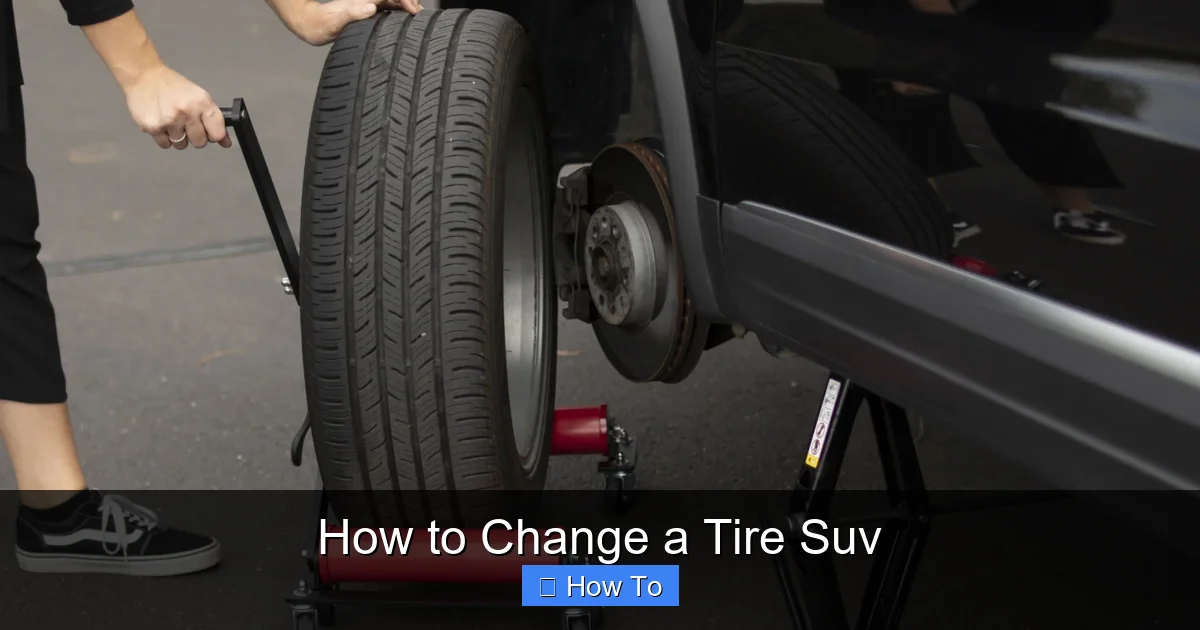
Visual guide about How to Change a Tire Suv
Image source: jackandjillofalltires.com
Essential Tools
- Lug wrench: Usually included with your SUV, this tool loosens and tightens the lug nuts. Some models come with a cross-shaped wrench for better leverage.
- Jack: Your SUV should have a scissor jack or hydraulic jack stored in the trunk or under the vehicle. Make sure it’s in good working condition.
- Spare tire: Check that your spare is properly inflated and in good condition. Many SUVs come with a temporary “donut” spare, but some have full-size spares.
- Wheel chocks or blocks: These prevent the SUV from rolling while you’re working. Use bricks, wood blocks, or dedicated wheel chocks.
- Flashlight: Essential if you’re changing a tire at night or in low light.
- Gloves: Protect your hands from dirt, grease, and sharp edges.
- Reflective triangles or flares: Increase visibility to other drivers, especially on highways.
Optional but Helpful Items
- Torque wrench: Ensures lug nuts are tightened to the correct specification when reinstalling the spare.
- Portable air compressor: Useful if your spare is low on air.
- Tire pressure gauge: Helps verify the spare is properly inflated.
- Owner’s manual: Contains critical info about jack points, torque specs, and spare tire limits.
Pro tip: Store these items in a waterproof bag in your trunk so they’re always ready when you need them.
Step 1: Find a Safe Location
The first and most important step in changing a tire on an SUV is finding a safe place to stop. Never attempt to change a tire on a busy highway shoulder, curved road, or steep incline.
How to Choose a Safe Spot
- Pull over completely: Move your SUV as far off the road as possible. Use the shoulder, a parking lot, or a quiet side street.
- Look for flat, solid ground: Avoid soft dirt, gravel, or slopes. A level surface prevents the jack from sinking or tipping.
- Turn on hazard lights: Alert other drivers that you’re stopped. This is especially important at night or in poor visibility.
- Engage the parking brake: Prevents the SUV from rolling while you work.
- Place wheel chocks: Put them against the tires that will remain on the ground. For example, if changing a front tire, chock the rear wheels.
Safety note: If you’re on a highway or feel unsafe, stay inside your SUV with your seatbelt on and call roadside assistance. Your safety is more important than changing the tire yourself.
Step 2: Prepare the Vehicle and Tools
Once you’re in a safe location, it’s time to get ready. This step ensures everything is in place before you start lifting the SUV.
Gather Your Tools
Bring your lug wrench, jack, spare tire, and any other tools to the side of the vehicle where the flat tire is located. Keep them within easy reach.
Remove the Hubcap (If Applicable)
Some SUVs have hubcaps or wheel covers that hide the lug nuts. If yours does, use the flat end of the lug wrench or a screwdriver to gently pry it off. Set it aside in a safe place so it doesn’t get lost or damaged.
Loosen the Lug Nuts (Before Lifting!)
This is a critical step that many people skip—but it’s essential. Loosening the lug nuts while the SUV is still on the ground gives you the leverage you need.
- Use the lug wrench to turn the nuts counterclockwise.
- You may need to use your foot or body weight to break them loose—especially if they’re tight.
- Loosen each nut about half to one full turn. Do not remove them completely yet.
- If a nut is stuck, try spraying it with WD-40 or a similar lubricant and wait a few minutes before trying again.
Tip: Loosen the nuts in a star pattern (like tightening a car wheel) to avoid warping the brake rotor.
Step 3: Position the Jack Correctly
Now it’s time to lift the SUV—but only after you’ve placed the jack in the right spot. Incorrect jack placement can damage your vehicle or cause it to collapse.
Find the Correct Jack Point
Every SUV has designated lift points, usually marked by reinforced metal pads or notches along the frame. These are typically located near the front or rear wheels, just behind the front tires or in front of the rear tires.
- Never jack the SUV under the axle, suspension, or plastic body panels.
- Refer to your owner’s manual for the exact location—don’t guess!
- If you can’t find the jack point, look for a sturdy metal frame rail or a reinforced area near the wheel.
Set Up the Jack
- Place the jack on a flat, solid surface. If you’re on soft ground, place a board or flat stone under the jack for stability.
- Position the jack so it’s centered under the lift point.
- Make sure the jack is fully extended and stable before lifting.
Safety warning: Never place any part of your body under the SUV while it’s lifted. If the jack fails, the vehicle could fall and cause serious injury.
Step 4: Lift the SUV
With the jack in place, it’s time to lift the vehicle just high enough to remove the flat tire.
How to Operate the Jack
- For a scissor jack: Turn the handle clockwise to raise the jack. Keep turning until the flat tire is about 6 inches off the ground.
- For a hydraulic jack: Pump the handle slowly and steadily until the tire lifts.
- Watch the jack and the SUV as you lift. If anything shifts or looks unstable, stop immediately and reposition.
Important: Lift only the side of the SUV with the flat tire. Do not lift the entire vehicle unless you’re replacing multiple tires.
Double-Check Stability
Once the SUV is lifted, give it a gentle shake to make sure it’s secure. If it wobbles or the jack sinks, lower the vehicle and reposition the jack.
Step 5: Remove the Flat Tire
Now that the SUV is safely lifted, you can remove the flat tire.
Remove the Lug Nuts Completely
- Unscrew the loosened lug nuts by hand and place them in a secure spot—like a hubcap or your pocket—so they don’t get lost.
- If they’re tight, use the wrench to finish removing them.
Take Off the Flat Tire
- Grip the tire firmly with both hands—one on the top and one on the bottom.
- Pull it straight toward you. It may be heavy, especially on larger SUVs.
- If it’s stuck, gently kick the side of the tire to break it loose from the hub.
- Set the flat tire on its side so it doesn’t roll away.
Tip: If you’re in a remote area, consider keeping the flat tire as a makeshift wheel chock while you work.
Step 6: Install the Spare Tire
Now it’s time to put the spare tire on. Make sure it’s the correct size and type for your SUV.
Align the Spare Tire
- Lift the spare tire and align the holes with the wheel studs.
- Push the tire onto the hub until it’s snug.
- If it doesn’t slide on easily, double-check the alignment—don’t force it.
Hand-Tighten the Lug Nuts
- Thread the lug nuts back onto the studs by hand.
- Tighten them as much as you can using your fingers—this ensures they’re seated properly before using the wrench.
- Tighten in a star pattern to ensure even pressure.
Step 7: Lower the SUV and Tighten the Lug Nuts
With the spare tire in place, it’s time to lower the SUV and finish securing the wheel.
Lower the Vehicle Slowly
- Turn the jack handle counterclockwise (for a scissor jack) or release the hydraulic valve to lower the SUV.
- Lower it until the spare tire touches the ground but the full weight isn’t yet on it.
Fully Tighten the Lug Nuts
- Use the lug wrench to tighten the nuts as much as possible.
- Again, use a star pattern to ensure even tightening.
- If you have a torque wrench, tighten to the manufacturer’s recommended specification (usually found in the owner’s manual).
Lower the SUV Completely
- Continue lowering until the SUV is fully on the ground and the jack is no longer supporting any weight.
- Remove the jack and store it back in your vehicle.
Step 8: Final Checks and Cleanup
Before driving off, take a few minutes to make sure everything is secure and safe.
Check the Spare Tire Pressure
- Use a tire pressure gauge to verify the spare is properly inflated.
- If it’s low, use a portable air compressor or drive to the nearest gas station to fill it.
Reinstall the Hubcap (If Applicable)
- If your spare is the same size as the original tire, you can reattach the hubcap.
- If it’s a smaller donut spare, the hubcap may not fit—that’s okay.
Stow Your Tools and Flat Tire
- Put all tools, the jack, and the flat tire back in your SUV.
- Make sure nothing is left behind on the roadside.
Dispose of Wheel Chocks and Safety Gear
- Remove wheel chocks and store them.
- Turn off hazard lights.
Driving with a Spare Tire: What You Need to Know
Most SUVs come with a temporary spare tire—often called a “donut”—that’s not meant for long-term use. Here’s what to keep in mind:
- Speed limit: Don’t exceed 50 mph.
- Distance limit: Drive no more than 50–70 miles.
- Handling: Spare tires have less traction and stability, so drive cautiously, especially in rain or snow.
- AWD/4WD vehicles: In some models, using a temporary spare can damage the drivetrain. Check your manual—you may need to disable AWD or avoid using the spare altogether.
Plan to visit a tire shop as soon as possible to repair or replace the flat tire. If the spare is a full-size tire, you may be able to drive normally—but still get the flat checked.
Troubleshooting Common Issues
Even with careful preparation, things can go wrong. Here’s how to handle common problems:
Lug Nuts Are Stuck
- Spray with penetrating oil (like WD-40) and wait 10–15 minutes.
- Use a breaker bar or pipe for extra leverage.
- If still stuck, call for professional help—don’t risk damaging the wheel or studs.
Jack Won’t Lift or Sinks
- Ensure the jack is on solid, level ground.
- Use a board or flat stone under the jack base.
- If the jack is faulty, do not continue—call roadside assistance.
Spare Tire Is Flat
- Use a portable air compressor to inflate it.
- If you don’t have one, drive slowly to the nearest gas station with an air pump.
- If the spare is damaged, call for help—do not drive on a flat spare.
SUV Won’t Stay Level
- This can happen on slopes or uneven ground.
- Use wheel chocks on both sides of the opposite tires.
- If the vehicle tilts dangerously, lower it and find a better location.
When to Call for Help
Changing a tire is a useful skill, but it’s not always the safest option. Call roadside assistance if:
- You’re on a busy highway or unsafe location.
- You’re in extreme weather (heavy rain, snow, ice).
- You don’t have the right tools or a usable spare.
- You’re injured, unwell, or feel uncomfortable doing the job.
- The SUV is heavily loaded or on a steep incline.
Many insurance policies and automaker warranties include free roadside assistance—use it when needed.
Practice Makes Perfect
The best time to learn how to change a tire on an SUV is before you need to do it on the side of the road. Practice in your driveway or garage:
- Go through each step slowly.
- Time yourself to see how long it takes.
- Check your tools and spare tire for condition and air pressure.
This practice run will build confidence and help you spot any missing tools or issues with your equipment.
Conclusion
Changing a tire on an SUV doesn’t have to be intimidating. With the right preparation, tools, and step-by-step approach, you can handle a flat tire safely and efficiently. Remember: safety comes first—always choose a secure location, use proper jack points, and never rush the process.
Keep your tools organized, check your spare tire regularly, and don’t hesitate to call for help when needed. By following this guide, you’ll be ready to face a flat tire with confidence, whether you’re on a quiet country road or a busy interstate.
Stay safe, stay prepared, and drive with peace of mind knowing you’ve got this!