
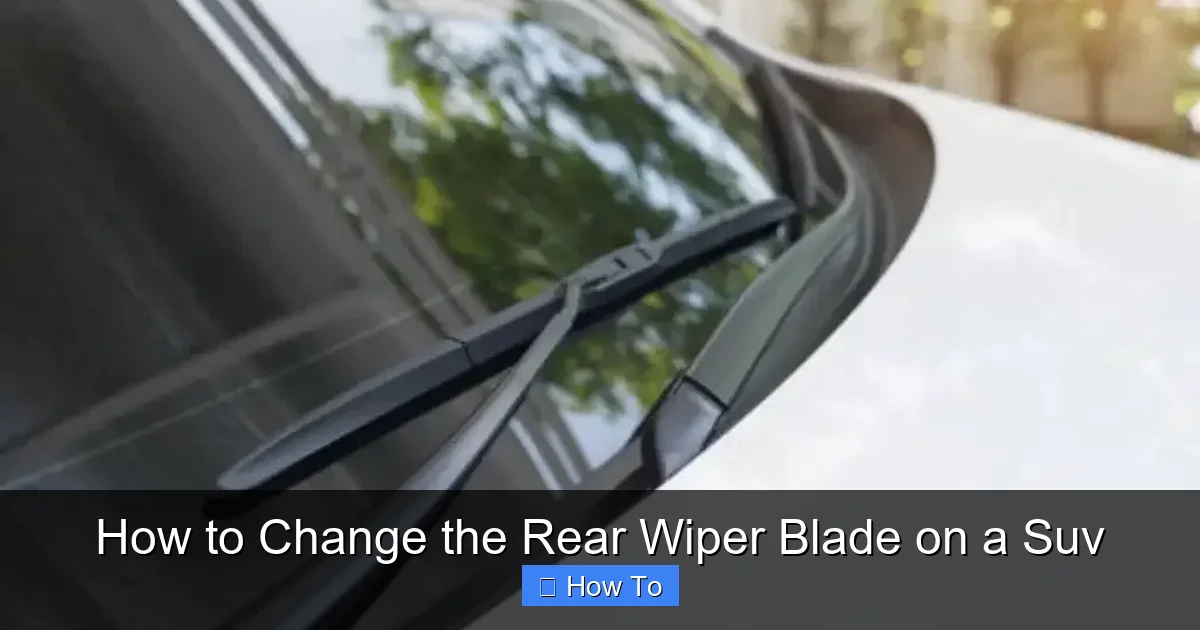
Changing the rear wiper blade on a SUV is a quick and affordable DIY task that improves safety and visibility. This guide walks you through the entire process, from identifying the right blade to testing the new one, with clear steps and helpful tips.
Key Takeaways
- Know your SUV model: Different SUVs have unique wiper arm and blade designs, so check your owner’s manual or measure the old blade to find the correct replacement.
- Choose the right blade type: Most rear wiper blades are either standard hook-style, pin-style, or bayonet-style—match the connector type to avoid installation issues.
- Turn off the wiper motor: For safety, disable the wiper system or place the wiper arm in the “service position” if your SUV has that feature.
- Handle the wiper arm gently: Avoid letting the arm snap back onto the glass, as it can crack the rear window or damage the mechanism.
- Clean the window first: Wipe down the rear glass before installing the new blade to ensure maximum contact and performance.
- Test immediately after installation: Run the rear wiper once to confirm smooth operation and proper alignment.
- Replace annually or as needed: Even if the blade looks fine, rubber degrades over time—replace it every 6–12 months for optimal performance.
Why Changing Your SUV’s Rear Wiper Blade Matters
If you drive an SUV, you know how important rear visibility is—especially when reversing, driving in rain, or navigating tight spaces. Unlike sedans, many SUVs have vertically mounted rear windows that collect dirt, snow, and road grime quickly. A worn-out rear wiper blade can leave streaks, smears, or even miss large sections of the glass, creating dangerous blind spots.
Replacing the rear wiper blade is one of the simplest maintenance tasks you can do yourself. It takes less than 15 minutes, requires no special tools, and costs between $10 and $25 for most models. Yet, many SUV owners overlook it until visibility becomes a serious issue. By learning how to change the rear wiper blade on a SUV, you’ll save money on mechanic visits, extend the life of your wiper system, and keep your drives safer in all weather conditions.
In this guide, we’ll walk you through every step—from identifying your wiper type to testing the new blade—so you can do it confidently, even if you’ve never touched a wiper blade before.
What You’ll Need
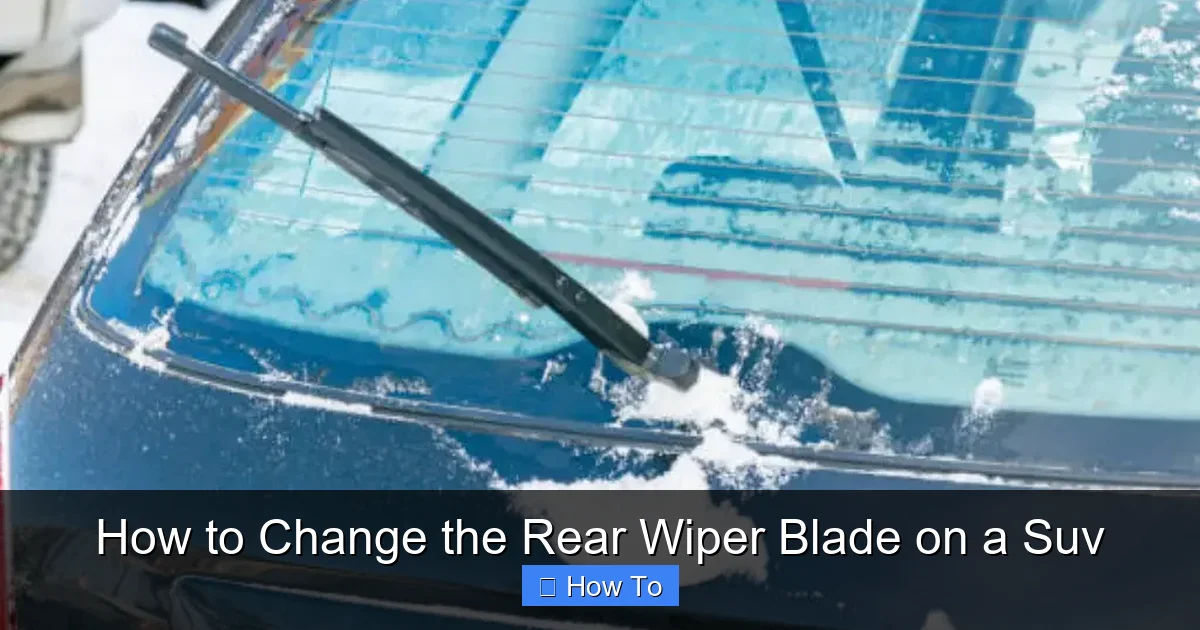
Visual guide about How to Change the Rear Wiper Blade on a Suv
Image source: wipermarket.com
Before you start, gather these items to make the process smooth and safe:
- Replacement wiper blade: Make sure it’s compatible with your SUV model (we’ll show you how to find the right one).
- Soft cloth or paper towels: For cleaning the rear window and handling the wiper arm.
- Mild glass cleaner (optional): To clean the window before installing the new blade.
- Gloves (optional): To protect your hands from dirt or sharp edges.
- Owner’s manual: Helpful for locating the wiper arm release or service mode.
You won’t need wrenches, screwdrivers, or any power tools—this is a tool-free job in most cases.
Step 1: Identify Your SUV’s Rear Wiper Blade Type
Visual guide about How to Change the Rear Wiper Blade on a Suv
Image source: wipermarket.com
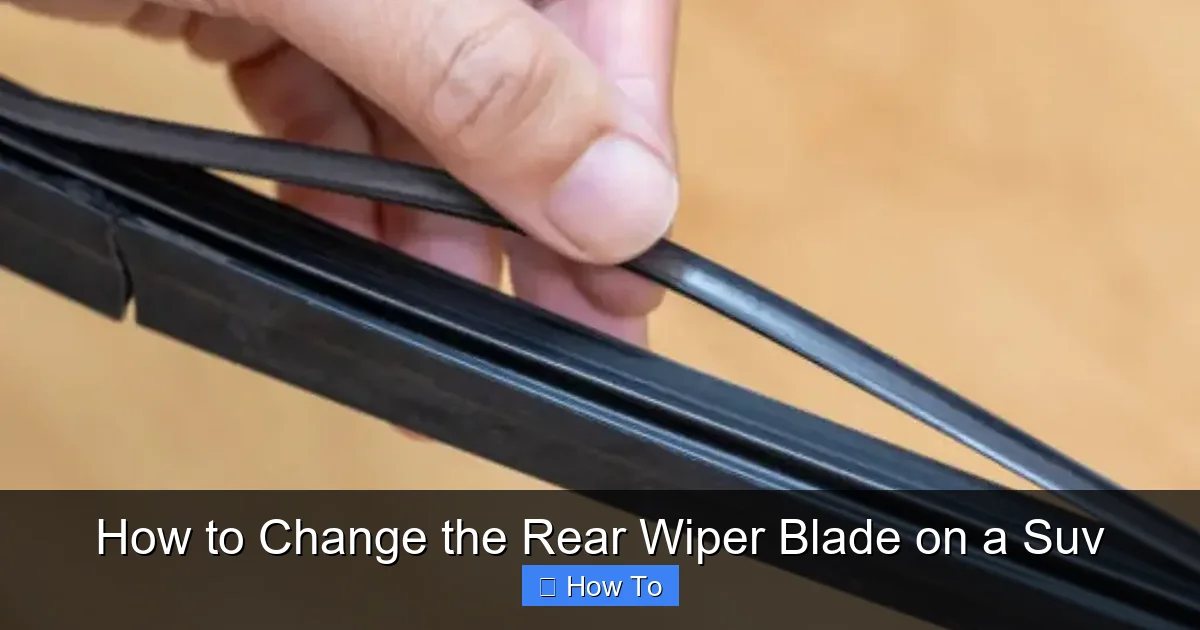
Not all wiper blades are created equal. SUVs use different connector styles, and using the wrong blade can lead to poor fit, noise, or even damage.
Common Rear Wiper Blade Types
There are three main types of rear wiper blades found on SUVs:
- Hook-style (J-hook): The most common type. The blade attaches to a J-shaped arm with a simple clip mechanism. Found on brands like Toyota, Honda, Ford, and Subaru.
- Pin-style (Side-pin): Uses a small pin on the side of the wiper arm that locks into the blade. Common on Hyundai, Kia, and some older GM models.
- Bayonet-style: Features a flat, rectangular connector that slides into the blade. Often seen on European SUVs like Volkswagen, Audi, and BMW.
How to Determine Your Blade Type
Look at the connection point where the blade meets the wiper arm. If you’re unsure:
- Check your owner’s manual—it often lists the wiper blade size and type.
- Measure the old blade: Use a tape measure to check the length from tip to tip. Most rear blades are between 10 and 16 inches.
- Take a photo: Snap a picture of the connector and show it to an auto parts store associate—they can match it instantly.
- Use online fitment tools: Websites like Rain-X, Bosch, or Michelin let you enter your SUV’s year, make, and model to find the correct blade.
Pro tip: Some SUVs use the same rear blade as their front wipers, but most don’t—don’t assume they’re interchangeable.
Step 2: Purchase the Correct Replacement Blade
Once you know your blade type and size, it’s time to buy a replacement. You have several options:
- OEM (Original Equipment Manufacturer): Made by your SUV’s brand (e.g., Toyota Genuine Parts). These are high-quality but often more expensive.
- Aftermarket brands: Companies like Bosch, Rain-X, Michelin, and ACDelco offer reliable, affordable alternatives. Many include adapters for multiple connector types.
- Universal fit blades: Some blades come with multiple adapters to fit various arm styles. Great if you’re unsure or plan to use it on multiple vehicles.
When shopping, look for blades labeled “rear wiper” or “SUV rear wiper.” Front wiper blades are usually longer and have different curvature.
Recommended Brands
Based on durability and performance:
- Bosch Aerotwin: Sleek design, excellent wipe, fits many SUVs with included adapters.
- Rain-X Latitude: Water-repellent coating, great for rainy climates.
- Michelin Stealth: Quiet operation, strong rubber compound.
- ACDelco OEM-style: Budget-friendly, reliable for GM SUVs like Tahoe or Trailblazer.
Buy from reputable retailers like AutoZone, O’Reilly, Amazon, or your local dealership. Avoid cheap, no-name blades—they wear out fast and may not fit securely.
Step 3: Prepare Your SUV for the Replacement
Safety first! Before touching the wiper arm, take a few precautions to protect yourself and your vehicle.
Turn Off the Wiper Motor
If your SUV has a “wiper service mode” or “maintenance position,” activate it. This lifts the wiper arm away from the glass and prevents accidental activation.
- On many modern SUVs (e.g., Honda CR-V, Toyota RAV4), turn the ignition to “ON” (don’t start the engine), then turn the wiper switch to “ON” and back to “OFF” within 10 seconds. The wiper arm will rise slightly.
- If your SUV doesn’t have this feature, turn off the ignition completely to cut power to the wiper motor.
Lift the Wiper Arm Carefully
Gently lift the wiper arm away from the rear window until it locks into an upright position. Don’t force it—most arms pivot smoothly with a little pressure.
⚠️ Warning: Never let the wiper arm snap back onto the glass. The metal arm can crack the rear window, especially in cold weather when glass is more brittle.
If the arm feels stiff, wiggle it slightly or apply a drop of silicone lubricant to the pivot point (avoid oil-based products—they attract dirt).
Clean the Rear Window
Use a soft cloth and glass cleaner to wipe the area where the wiper blade contacts the glass. Remove dirt, grease, or old rubber residue. A clean surface ensures the new blade makes full contact and wipes effectively.
Let the window dry completely before installing the new blade.
Step 4: Remove the Old Wiper Blade
Now it’s time to detach the old blade. The method depends on your connector type.
For Hook-Style (J-Hook) Blades
- Locate the small tab or button on the underside of the blade where it connects to the arm.
- Press the tab inward while gently pulling the blade downward.
- The blade should slide off the J-hook. If it’s stuck, wiggle it slightly or use a flathead screwdriver (carefully) to pry the tab.
For Pin-Style Blades
- Look for a small pin or clip on the side of the wiper arm.
- Press the pin inward or slide the clip outward to release the blade.
- Pull the blade straight off the arm.
For Bayonet-Style Blades
- Find the release tab on the top or side of the blade connector.
- Press the tab and slide the blade out horizontally.
- Some models require a slight twist—check the blade for directional arrows.
💡 Tip: If the old blade is brittle or cracked, wear gloves to avoid cuts from broken rubber or metal.
Step 5: Install the New Wiper Blade
With the old blade removed, installing the new one is straightforward—but precision matters.
Match the Connector Type
Ensure the new blade’s connector matches your wiper arm. If it’s a universal blade with adapters:
- Remove the correct adapter from the packaging (usually labeled).
- Snap it into the blade’s connector slot.
- Align the adapter with the wiper arm and press firmly until it clicks.
Attach the Blade to the Arm
Depending on your type:
- Hook-style: Slide the blade onto the J-hook until you hear a click. Tug gently to confirm it’s secure.
- Pin-style: Align the hole in the blade with the pin and push until it locks.
- Bayonet-style: Slide the blade into the arm in the correct direction (usually marked) until it seats fully.
Double-Check the Fit
Give the blade a light pull to ensure it doesn’t come loose. It should move slightly with the arm but not detach.
If the blade feels loose or wobbly, recheck the connector or try a different adapter.
Step 6: Lower the Wiper Arm and Test
Once the new blade is installed, it’s time to put everything back in place.
Gently Lower the Wiper Arm
Slowly lower the wiper arm back onto the rear window. Support it with one hand to prevent it from snapping down.
Make sure the blade sits flat against the glass with even pressure along its length.
Test the Wiper
Turn on your SUV and activate the rear wiper for 10–15 seconds. Watch for:
- Smooth, quiet operation
- Full coverage without skipping or streaking
- No unusual noises or vibrations
If the wiper stutters or leaves streaks, check the installation or clean the window again.
Adjust if Necessary
Some SUVs allow minor angle adjustments. If the blade isn’t making full contact, you may need to slightly bend the wiper arm (gently!) or consult your manual for alignment tips.
Troubleshooting Common Issues
Even with careful installation, problems can arise. Here’s how to fix them:
Blade Won’t Stay Attached
- Cause: Wrong adapter or loose connection.
- Solution: Recheck the connector type and ensure the adapter is fully seated. Try a different adapter if included.
Wiper Leaves Streaks or Smears
- Cause: Dirty window, misaligned blade, or defective rubber.
- Solution: Clean the glass thoroughly. Ensure the blade is flat against the window. If streaks persist, the blade may be defective—return it for a replacement.
Wiper Arm Snaps Back Too Hard
- Cause: Cold weather or stiff pivot.
- Solution: Warm the area with a hairdryer or drive the SUV to warm it up. Apply a small amount of silicone spray to the pivot joint.
New Blade Makes Noise
- Cause: Poor alignment or low-quality rubber.
- Solution: Ensure the blade is straight and not twisted. If noise continues, switch to a higher-quality brand.
Wiper Doesn’t Move at All
- Cause: Blown fuse or motor issue.
- Solution: Check the fuse box (usually under the dashboard or hood). Replace the fuse if blown. If the motor is dead, professional repair may be needed.
Maintenance Tips to Extend Blade Life
To get the most out of your new rear wiper blade:
- Clean the blade monthly: Wipe the rubber edge with a damp cloth to remove dirt and debris.
- Use washer fluid: Spray the rear washer before using the wiper to loosen grime.
- Avoid dry wiping: Never run the wiper on a dry window—it wears out the rubber.
- Park in the shade: UV rays degrade rubber over time. Use a sunshade if parked outdoors.
- Replace seasonally: In snowy areas, consider removing the blade in winter to prevent ice buildup (if your SUV allows it).
When to Replace Your Rear Wiper Blade
Don’t wait for complete failure. Replace your rear wiper blade if you notice:
- Streaking or smearing during use
- Chattering or skipping across the glass
- Visible cracks, splits, or curling in the rubber
- Reduced wiping coverage
- It’s been over 12 months since the last replacement
Even if the blade looks fine, rubber hardens over time and loses flexibility—especially in extreme temperatures.
Conclusion
Changing the rear wiper blade on a SUV is a simple, cost-effective way to maintain clear visibility and drive safely in all conditions. With the right blade, a few minutes of your time, and the steps outlined in this guide, you can do it yourself—no mechanic required.
Remember to identify your blade type, handle the wiper arm with care, and test the new blade immediately. Regular maintenance ensures your wiper system stays in top shape year-round.
By taking charge of this small but important task, you’re not only saving money but also taking responsibility for your safety and the safety of others on the road. So the next time it rains or snows, you’ll be ready—with a clean, streak-free rear window and peace of mind.