
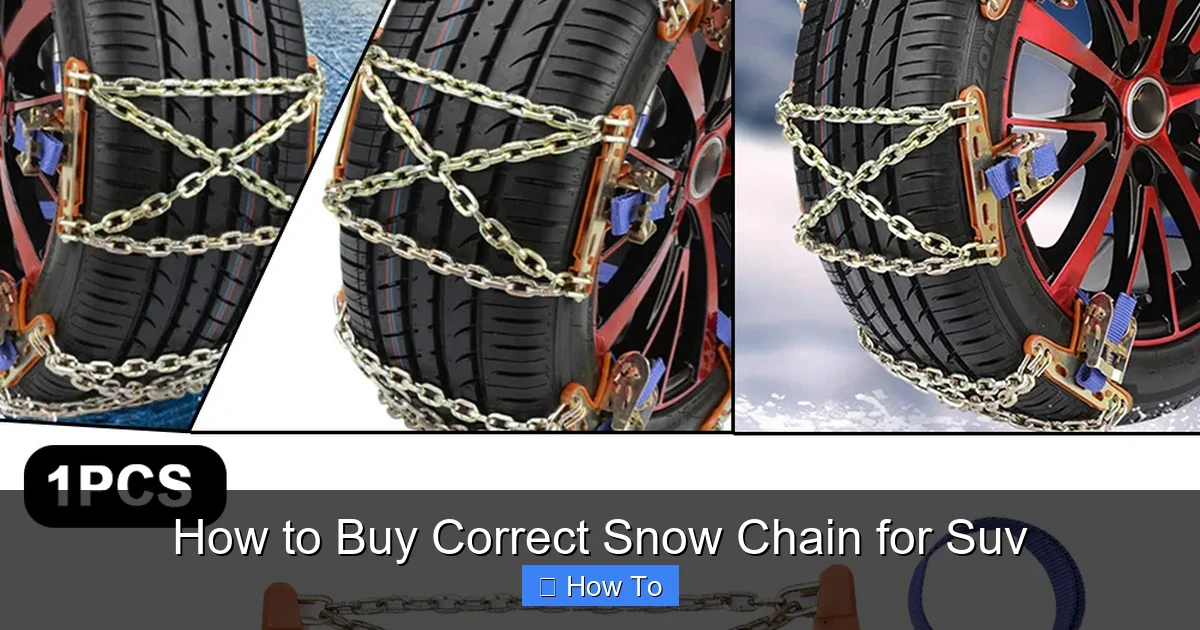
Choosing the right snow chain for your SUV can feel overwhelming, but it doesn’t have to be. This guide walks you through every step—from measuring your tires to selecting the best chain type—so you can drive safely in snow and ice. Get expert tips, avoid common mistakes, and buy with confidence.
Key Takeaways
- Measure your tire size accurately: Check the sidewall for numbers like P265/70R17. This ensures you buy chains that fit your SUV’s tires perfectly.
- Know your SUV’s drivetrain: Front-wheel, rear-wheel, or all-wheel drive affects which wheels need chains and how they perform.
- Choose the right chain type: Diamond, cable, and ladder chains each offer different levels of traction, speed, and ease of use.
- Check local laws and requirements: Some states require chains in certain conditions, and not all chains are legal everywhere.
- Prioritize ease of installation: Look for quick-fit or self-tensioning chains if you want to install them fast in cold weather.
- Test before you travel: Always practice installing chains at home so you’re ready when snow hits the road.
- Maintain your chains: Clean and store them properly after use to extend their life and performance.
How to Buy the Correct Snow Chain for SUV
Driving an SUV in snowy or icy conditions can be both powerful and challenging. While SUVs often have better ground clearance and traction than smaller vehicles, they’re not immune to slippery roads. That’s where snow chains come in. Snow chains—also called tire chains—grip the road, giving your SUV the traction it needs to climb hills, stop safely, and avoid skidding.
But not all snow chains are created equal. Buying the wrong size, type, or style can lead to poor performance, damaged tires, or even safety hazards. That’s why it’s essential to know exactly how to buy the correct snow chain for your SUV.
In this guide, we’ll walk you through every step of the process. You’ll learn how to measure your tires, understand different chain types, check legal requirements, and choose the best chains for your driving needs. Whether you’re preparing for a mountain road trip or just want peace of mind during winter commutes, this guide will help you make the right choice.
By the end, you’ll be confident in selecting, installing, and using snow chains that keep you safe and your SUV running smoothly—no matter how deep the snow gets.
Step 1: Know Your SUV’s Tire Size
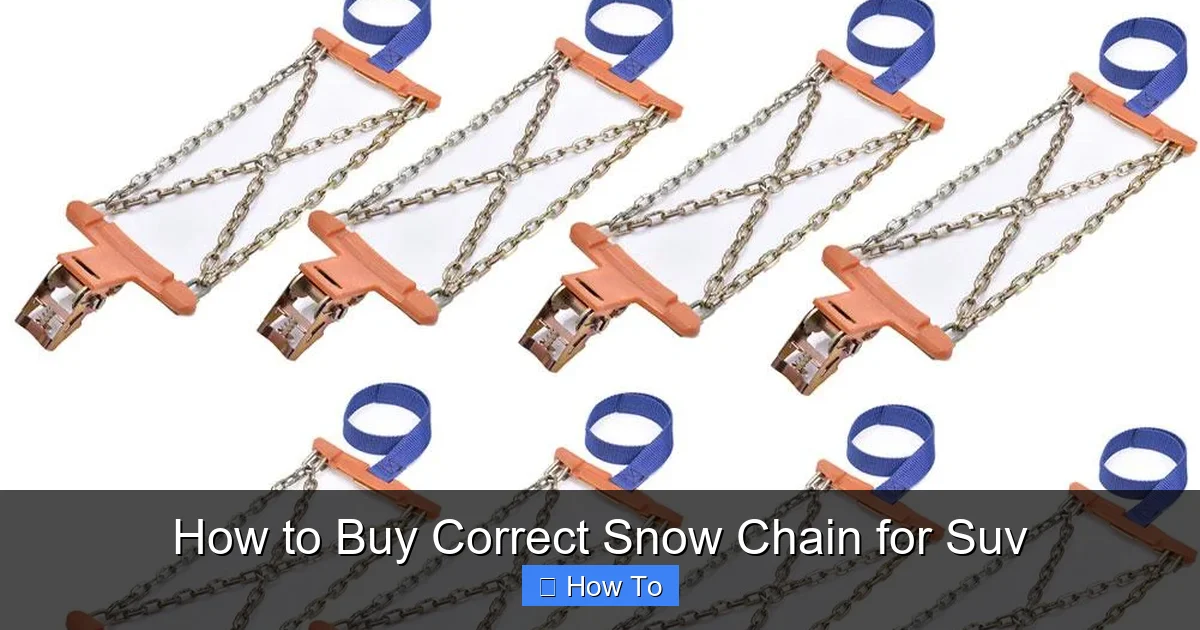
Visual guide about How to Buy Correct Snow Chain for Suv
Image source: images.nexusapp.co
The most important step in buying snow chains is knowing your tire size. Chains are designed to fit specific tire dimensions, so getting this right is non-negotiable.
How to Find Your Tire Size
Look at the sidewall of your SUV’s tire. You’ll see a series of numbers and letters, such as:
P265/70R17 113T
Let’s break that down:
– P = Passenger vehicle (common for SUVs)
– 265 = Tire width in millimeters
– 70 = Aspect ratio (sidewall height as a percentage of width)
– R = Radial construction
– 17 = Rim diameter in inches
– 113T = Load index and speed rating
For snow chains, the most critical numbers are the tire width and rim diameter. These help determine which chains will fit.
Use the Full Size or Just the Numbers?
Some chain manufacturers use the full size (e.g., 265/70R17), while others simplify it to the rim size and width (e.g., 17-inch, 265mm). Always double-check the manufacturer’s sizing chart. Most brands have an online tool where you can enter your tire size and get compatible options.
Pro Tip: If you’re unsure, take a photo of your tire sidewall and show it to a store associate or upload it to a retailer’s website for confirmation.
What If You Have Multiple Tire Sizes?
Some SUVs come with different tire sizes on the front and rear axles—especially if you’ve upgraded to larger wheels. In that case, you’ll need chains that fit the larger tire, or buy separate sets. Most drivers only install chains on the drive wheels (more on that soon), so focus on those.
Step 2: Determine Your SUV’s Drivetrain
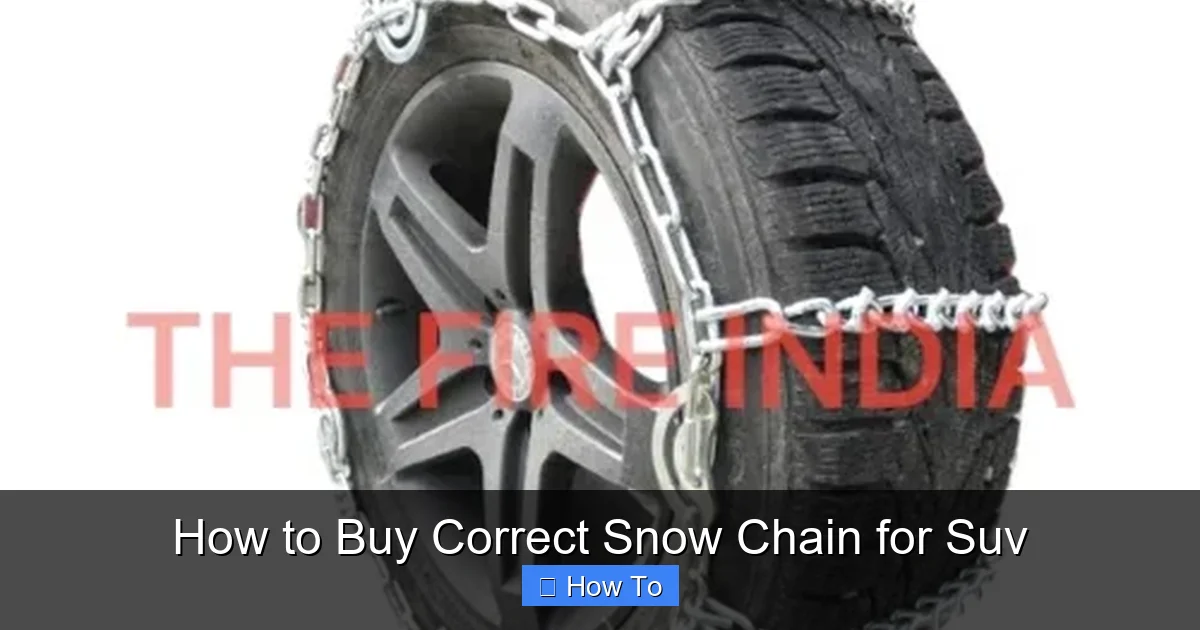
Visual guide about How to Buy Correct Snow Chain for Suv
Image source: 5.imimg.com
Not all SUVs are the same under the hood. Your drivetrain—front-wheel drive (FWD), rear-wheel drive (RWD), or all-wheel drive (AWD)—affects how and where you install snow chains.
Front-Wheel Drive (FWD) SUVs
In FWD SUVs, power goes to the front wheels. That means you’ll typically install chains on the front tires only. This gives the best traction for acceleration and steering.
Rear-Wheel Drive (RWD) SUVs
RWD SUVs send power to the rear wheels. Install chains on the rear tires to improve traction when accelerating and climbing hills.
All-Wheel Drive (AWD) and Four-Wheel Drive (4WD) SUVs
AWD and 4WD SUVs power all four wheels. In most cases, you can install chains on all four tires for maximum grip. However, some manufacturers recommend only using chains on the rear or front, depending on the system. Always check your owner’s manual.
Important: Never mix chain types or install chains on only one side. This can cause drivetrain damage, especially in AWD/4WD vehicles.
How to Find Your Drivetrain
Check your owner’s manual, look for badges on the vehicle (like “AWD” or “4WD”), or check the dashboard for a 4WD indicator light. You can also search your SUV’s make, model, and year online.
Step 3: Choose the Right Type of Snow Chain
Snow chains come in several styles, each with pros and cons. The right choice depends on your driving needs, budget, and how often you’ll use them.
Diamond Pattern Chains
Also called “zigzag” chains, diamond chains have a crisscross pattern that wraps around the tire. They offer excellent traction and a smoother ride than other types.
Best for: Daily driving, highway use, and frequent snow conditions.
Pros:
– Better ride comfort
– Good grip on packed snow and ice
– Easier to install than some ladder chains
Cons:
– More expensive
– May not fit tightly on all tire sizes
Example: Security Chain Company’s Super Z6 is a popular diamond-style chain for SUVs.
Ladder Pattern Chains
Ladder chains have horizontal cross chains connected by side rails. They’re simple, durable, and provide strong traction.
Best for: Off-roading, deep snow, and heavy-duty use.
Pros:
– Affordable
– Rugged and long-lasting
– Great for steep hills and loose snow
Cons:
– Rougher ride
– Harder to install
– Can cause vibration at higher speeds
Example: Peerless Auto-Trac is a well-known ladder chain with self-tensioning features.
Cable Chains
Cable chains use steel cables instead of chains. They’re lighter and quieter but offer less traction.
Best for: Light snow, occasional use, and vehicles with limited clearance.
Pros:
– Lightweight and easy to store
– Quieter on pavement
– Often cheaper
Cons:
– Less durable
– Not ideal for deep snow or ice
– May not be legal in all areas
Note: Some states only allow cable chains on certain roads or require them to meet specific standards (like SAE Class S).
On-Vehicle Traction Systems (Alternative to Chains)
Products like Spike Spreader or Zigzag Traction Mats are not chains but can help in emergencies. They’re not a replacement for proper chains but can be useful as backups.
Step 4: Check Legal Requirements and Restrictions
Snow chain laws vary by state and even by road. Installing the wrong chains—or not having them at all—can result in fines or being turned away from mountain passes.
States with Chain Laws
California, Colorado, Oregon, Washington, and Utah have strict chain control laws. For example:
– California: Chains may be required on certain highways during winter storms. Check Caltrans for real-time updates.
– Colorado: Chain laws apply on I-70 during winter. Vehicles without 4WD/AWD must carry chains.
– Washington: Chains or approved alternatives (like cable chains) are required on mountain passes.
Chain Control Levels
Most states use a tiered system:
– Level 1: Chains required on all vehicles.
– Level 2: Chains required on non-4WD/AWD vehicles; 4WD/AWD may proceed without chains if they have all-weather tires.
– Level 3: All vehicles must have chains or be turned back.
Approved Chain Types
Some states only allow chains that meet SAE (Society of Automotive Engineers) standards:
– SAE Class S: For vehicles with limited wheel well clearance.
– SAE Class U: For general use.
– SAE Class R: For rear-wheel drive vehicles.
Always check your state’s Department of Transportation (DOT) website before traveling.
Step 5: Consider Ease of Installation
Let’s face it—installing snow chains in freezing weather, on the side of a snowy road, is no fun. That’s why ease of installation matters.
Traditional Chains
These require you to lay them out, drape them over the tire, and connect the ends. Some need to be tightened manually with bungee cords or tensioners.
Tip: Practice at home first. It’s much easier when you’re not shivering!
Quick-Fit or Self-Tensioning Chains
These are designed for faster installation. You drive over the chain, then pull a lever or strap to tighten it.
Examples:
– Security Chain Super Z: Uses a built-in tensioner.
– Peerless Auto-Trac: Self-tightening with a ratchet system.
Pro Tip: Look for chains with color-coded hooks or markings. They make installation faster and reduce mistakes.
Inside vs. Outside Mounting
Some chains require you to reach behind the tire to connect the inside hook. This can be tricky on SUVs with limited clearance. Look for “outside mount” or “no inside hook” designs if you want easier access.
Step 6: Match Chains to Your Driving Conditions
Not all snow is the same. Your driving environment should influence your chain choice.
Light Snow or Packed Ice
If you’re driving on plowed roads with light snow, cable chains or lightweight diamond chains may be enough.
Deep Snow or Off-Roading
For unplowed roads, mountain trails, or heavy snowfall, go with heavy-duty ladder or diamond chains.
Highway Driving
If you’ll be on highways, choose chains rated for higher speeds (usually up to 30–50 mph). Avoid chains that cause excessive vibration.
Frequent vs. Occasional Use
If you only need chains once or twice a year, a budget-friendly option may work. But if you drive in snow often, invest in durable, easy-to-use chains.
Step 7: Buy from a Reputable Brand
Not all snow chains are built to last. Stick with trusted brands known for quality and safety.
Top Snow Chain Brands for SUVs
– Security Chain Company (SCC): Offers Super Z, Quick Trak, and other reliable models.
– Peerless: Known for Auto-Trac and other durable chains.
– Blizzaks (by Bridgestone): Offers traction devices and chains.
– Konig: Popular in Europe, now available in the U.S. with easy-install designs.
– Quality Chain Corp: Budget-friendly options with good reviews.
Where to Buy
– Online: Amazon, TireRack, REI, and manufacturer websites.
– In-Store: Auto parts stores (AutoZone, O’Reilly), outdoor retailers (REI), and tire shops.
Tip: Read customer reviews. Look for feedback on fit, durability, and ease of use for your specific SUV model.
Step 8: Test and Practice Before You Need Them
Buying chains is only half the battle. You need to know how to use them.
Practice Installation at Home
Lay the chains on a flat surface, drape them over the tire, and connect the hooks. Time yourself. Aim to install them in under 10 minutes.
Check Fit and Clearance
Make sure the chains don’t rub against brake lines, suspension parts, or the wheel well. If they do, you may need a different model or a tensioner.
Drive Slowly at First
After installing, drive 50–100 feet, then stop and re-tighten the chains. They often loosen after initial use.
Troubleshooting Common Issues
Even with the right chains, problems can happen. Here’s how to fix them.
Chains Are Too Loose
Use tensioners or bungee cords to tighten them. Some chains come with built-in tensioners.
Chains Are Too Tight
This can damage the chains or your tires. Loosen them slightly and re-secure.
Chains Rubbing or Squeaking
Check for proper fit. Make sure they’re centered on the tire. Avoid driving on bare pavement for long.
One Chain Breaks
Carry a repair link or spare chain. Never drive with only one chain on a dual setup.
Can’t Install on One Side
Some SUVs have limited space behind the wheel. Try rotating the tire slightly or using a different chain style.
How to Maintain Your Snow Chains
Proper care extends the life of your chains and ensures they’re ready when you need them.
After Use
– Rinse off salt, dirt, and debris with water.
– Let them dry completely to prevent rust.
– Store in a breathable bag (not plastic).
Inspect Regularly
Check for broken links, worn hooks, or stretched cables. Replace damaged chains immediately.
Store Properly
Keep them in your SUV’s trunk or garage in a labeled bag. Include gloves and instructions for quick access.
Final Tips for Safe Winter Driving
– Don’t rely on chains alone: Drive slowly, increase following distance, and avoid sudden moves.
– Remove chains when roads are clear: Driving on bare pavement damages chains and tires.
– Carry emergency supplies: Blankets, food, water, and a flashlight in case you get stuck.
– Check weather and road conditions: Use apps like Caltrans, CDOT, or WSDOT for updates.
Conclusion
Buying the correct snow chain for your SUV doesn’t have to be stressful. By following these steps—measuring your tires, knowing your drivetrain, choosing the right type, and practicing installation—you’ll be prepared for any winter road.
Remember, the best chains are the ones that fit, function, and give you confidence. Invest in quality, follow the rules, and always test before you travel.
With the right snow chains, your SUV can handle snow, ice, and mountain passes with ease. Stay safe, stay prepared, and enjoy the journey—no matter the weather.