

Buying an SUV doesn’t have to be overwhelming. This guide walks you through every step—from setting a budget to finalizing the purchase—so you can drive away with the perfect vehicle for your lifestyle and needs.
Key Takeaways
- Set a realistic budget: Include not just the purchase price but also insurance, fuel, maintenance, and taxes to avoid financial strain.
- Research different SUV types: Understand the differences between compact, midsize, full-size, and luxury SUVs to match your needs.
- Prioritize safety and features: Look for top safety ratings, advanced driver assistance systems (ADAS), and tech features that enhance comfort and convenience.
- Test drive multiple models: Experience how each SUV handles, feels, and fits your daily routine before making a decision.
- Compare financing options: Explore loans, leases, and incentives to find the most cost-effective way to buy your SUV.
- Inspect used SUVs thoroughly: If buying pre-owned, get a vehicle history report and professional inspection to avoid hidden problems.
- Negotiate confidently: Use market data and dealer incentives to get the best possible deal on your new or used SUV.
How to Buy an SUV Car: A Complete Step-by-Step Guide
So, you’re ready to buy an SUV. Maybe you need more space for your growing family, want better off-road capability, or simply prefer the commanding view of the road that SUVs offer. Whatever your reason, buying an SUV is a big decision—and one that shouldn’t be rushed.
The good news? With the right approach, you can make a smart, confident choice that fits your lifestyle, budget, and long-term needs. This guide will walk you through every step of the process, from figuring out what kind of SUV you actually need to driving off the lot with your new ride.
Whether you’re a first-time car buyer or upgrading from a sedan, this comprehensive how-to guide covers everything you need to know about how to buy an SUV car. We’ll break it down into clear, actionable steps so you can avoid common pitfalls and get the best value for your money.
Let’s get started.
Step 1: Determine Your Needs and Priorities
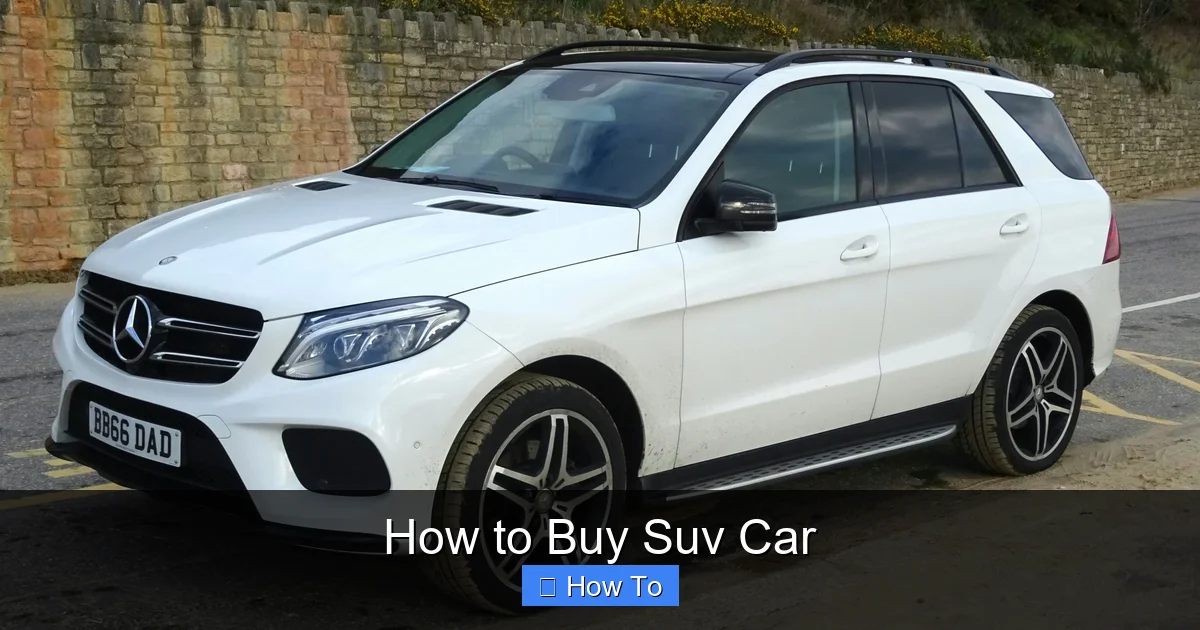
Visual guide about How to Buy Suv Car
Image source: publicdomainpictures.net
Before you even look at a single SUV, take time to reflect on what you really need. SUVs come in all shapes and sizes, and not every model will suit your lifestyle. Ask yourself these key questions:
How many passengers do you need to seat?
If you have a large family or frequently carpool, a three-row SUV like the Honda Pilot or Toyota Highlander might be ideal. For smaller households or couples, a two-row midsize or compact SUV such as the Mazda CX-5 or Subaru Forester could be more than enough.
What will you use the SUV for?
Are you commuting daily in the city? Planning weekend camping trips? Towing a trailer or boat? Your usage will influence the type of SUV you should consider. For example, if you need towing power, look for models with high towing capacities like the Ford Explorer or Jeep Grand Cherokee.
Do you need all-wheel drive (AWD) or four-wheel drive (4WD)?
If you live in an area with snow, rain, or rough terrain, AWD or 4WD can improve traction and safety. However, these systems may reduce fuel efficiency and increase cost, so only get them if you truly need them.
How important is fuel economy?
Larger SUVs tend to guzzle more gas. If you’re concerned about fuel costs, consider a hybrid SUV like the Toyota RAV4 Hybrid or Ford Escape Hybrid. Compact SUVs generally offer better mileage than full-size models.
What features matter most to you?
Make a list of must-have features. Do you want Apple CarPlay and Android Auto? Heated seats? A panoramic sunroof? Advanced safety tech like blind-spot monitoring or adaptive cruise control? Prioritizing features helps narrow your options.
By answering these questions, you’ll create a clear picture of your ideal SUV—making the rest of the buying process much easier.
Step 2: Set a Realistic Budget

Visual guide about How to Buy Suv Car
Image source: blog.beforward.jp
One of the biggest mistakes car buyers make is focusing only on the sticker price. When learning how to buy an SUV car, it’s crucial to consider the total cost of ownership.
Calculate your maximum monthly payment
A good rule of thumb is that your car payment should not exceed 10–15% of your monthly take-home pay. Use an online auto loan calculator to estimate payments based on different loan terms and interest rates.
Factor in additional costs
Beyond the monthly payment, remember to budget for:
- Insurance: SUVs often cost more to insure than sedans, especially larger or luxury models.
- Fuel: Larger engines and heavier vehicles consume more gas. Check EPA estimates for city and highway mileage.
- Maintenance and repairs: Some brands are more expensive to maintain. Research reliability ratings and average repair costs.
- Depreciation: New cars lose value quickly. Consider whether a slightly used SUV might offer better value.
- Taxes and registration fees: These vary by state and can add hundreds or even thousands to your total cost.
Decide: New, Used, or Certified Pre-Owned?
- New SUVs: Come with the latest features, full warranties, and no prior wear—but depreciate fastest.
- Used SUVs: Offer significant savings but may have hidden issues. Always get a pre-purchase inspection.
- Certified Pre-Owned (CPO): A middle ground—used vehicles inspected, refurbished, and backed by manufacturer warranties.
Set a firm budget and stick to it. It’s easy to get tempted by upgrades and add-ons, but staying within your means will save you stress down the road.
Step 3: Research SUV Models and Compare Options
Now that you know what you need and how much you can spend, it’s time to dive into research. The SUV market is packed with options, so narrowing your list is essential.
Use trusted review sites
Websites like Kelley Blue Book (KBB), Edmunds, and Consumer Reports offer detailed reviews, reliability scores, and pricing data. Look for models that consistently rank high in your category.
Compare key specs side by side
Create a comparison chart for your top 3–5 SUVs. Include:
- Engine power and fuel economy
- Cargo space and passenger room
- Safety ratings (check IIHS and NHTSA)
- Standard and available features
- Warranty coverage
- Resale value
Read owner reviews
Forums like Reddit’s r/cars or manufacturer-specific communities can give you real-world insights. Ask questions like:
- How’s the ride quality on long trips?
- Are there common mechanical issues?
- Is the infotainment system user-friendly?
- How’s customer service at the dealership?
Consider resale value
Some SUVs hold their value better than others. Brands like Toyota, Honda, and Subaru typically have strong resale values, which can save you money if you plan to sell or trade in the future.
By the end of this step, you should have a shortlist of 2–3 SUVs that meet your needs, budget, and preferences.
Step 4: Test Drive Your Top Choices
You can read all the reviews in the world, but nothing beats getting behind the wheel. A test drive lets you experience how an SUV truly feels—and whether it’s right for you.
Schedule test drives back to back
Visit dealerships or private sellers to test drive your top models on the same day. This makes it easier to compare handling, comfort, and features.
Test in real-world conditions
Don’t just drive around the block. Try:
- Highway speeds to check wind noise and stability
- Bumpy roads to assess suspension and ride comfort
- Parking in tight spaces to test maneuverability
- Hills or inclines to evaluate engine power
Bring a checklist
Use a test drive checklist to stay focused. Evaluate:
- Seat comfort and adjustability
- Visibility from the driver’s seat
- Ease of use for controls and infotainment
- Noise levels (wind, road, engine)
- How the SUV accelerates and brakes
- Cargo access and rear seat folding
Take your time
Don’t rush the test drive. Spend at least 20–30 minutes in each vehicle. Bring a friend or family member for a second opinion—they might notice things you miss.
If something feels off—like a stiff steering wheel or cramped back seat—trust your instincts. Comfort and confidence matter just as much as specs.
Step 5: Explore Financing and Payment Options
Once you’ve chosen your SUV, it’s time to figure out how to pay for it. Understanding your financing options can save you thousands over the life of the loan.
Get pre-approved for a loan
Before visiting the dealership, get pre-approved by a bank, credit union, or online lender. This gives you a clear idea of your interest rate and loan terms—and strengthens your negotiating position.
Compare dealership financing
Dealers often offer promotional rates, especially on new models. But don’t assume they’re the best deal. Compare their offer to your pre-approval.
Understand loan terms
- Loan term: Shorter terms (36–48 months) mean higher monthly payments but less interest paid overall.
- Interest rate: Lower is better. Your credit score heavily influences this.
- Down payment: A larger down payment reduces your loan amount and monthly payment.
Consider leasing
Leasing an SUV means lower monthly payments and the chance to drive a new vehicle every few years. But you don’t own the car, and mileage limits apply. Leasing works best if you prefer driving new cars and don’t put on many miles.
Watch out for add-ons
Dealers may try to sell you extended warranties, paint protection, or VIN etching. Ask yourself: Do I really need this? Many of these are overpriced and unnecessary.
Use incentives and rebates
Check for manufacturer rebates, loyalty programs, or military discounts. These can significantly reduce the price—especially on new SUVs.
Step 6: Inspect Used SUVs Thoroughly
If you’re buying a used SUV, extra caution is essential. A thorough inspection can prevent costly surprises later.
Check the vehicle history report
Use services like Carfax or AutoCheck to get a detailed report. Look for:
- Accident history
- Title issues (salvage, flood damage)
- Number of previous owners
- Service and maintenance records
- Odometer readings
Get a pre-purchase inspection (PPI)
Hire a trusted mechanic to inspect the SUV before you buy. They’ll check the engine, transmission, brakes, suspension, and more. A PPI typically costs $100–$200 but can save you thousands in repairs.
Look for signs of wear and damage
During your inspection, watch for:
- Rust or corrosion, especially under the car
- Uneven tire wear (could indicate alignment issues)
- Leaks under the vehicle
- Worn upholstery or strange odors
- Mismatched paint (sign of past repairs)
Test all features
Turn on the AC, heater, radio, lights, and power windows. Make sure everything works as it should.
If anything seems off, walk away. There are plenty of used SUVs out there—don’t settle for one with red flags.
Step 7: Negotiate the Best Price
Negotiating can feel intimidating, but it’s a normal part of the car-buying process. With preparation, you can get a fair deal.
Know the market value
Use KBB or Edmunds to find the fair market price for your SUV—whether new or used. This gives you a solid starting point.
Start low, but be reasonable
For new SUVs, begin negotiations below the invoice price (what the dealer paid). For used SUVs, offer 10–15% below the asking price, depending on condition and demand.
Focus on the out-the-door price
Don’t get distracted by monthly payment talk. Instead, negotiate the total price including taxes, fees, and any add-ons.
Use competing offers
If you’ve gotten quotes from multiple dealers, use them as leverage. Say, “Dealer X offered me $2,000 less. Can you match that?”
Be ready to walk away
If the dealer won’t budge, don’t be afraid to leave. Often, they’ll call you back with a better offer.
Time your purchase wisely
Dealers are more willing to negotiate at the end of the month, quarter, or year when they’re trying to meet sales targets. Holiday weekends and new model year launches are also good times to buy.
Step 8: Finalize the Purchase and Take Delivery
Once you’ve agreed on a price, it’s time to close the deal.
Review all paperwork carefully
Make sure the sales contract matches your agreed-upon terms. Check the VIN, price, trade-in value (if applicable), and financing details.
Understand the warranty
Ask about the manufacturer’s warranty, what it covers, and how long it lasts. For CPO vehicles, confirm the extended warranty details.
Complete the registration and insurance
You’ll need proof of insurance before driving off the lot. Most dealers can help you register the vehicle, but double-check that everything is processed correctly.
Take a walkthrough
Before you leave, ask the dealer to show you how to use key features: infotainment system, safety alerts, maintenance reminders, etc.
Keep all documents
Store your owner’s manual, warranty info, and service records in a safe place. You’ll need them for future maintenance and resale.
Congratulations—you’ve successfully learned how to buy an SUV car!
Troubleshooting Common Issues
Even with careful planning, problems can arise. Here’s how to handle common scenarios:
“The dealer won’t negotiate.”
Try visiting during slower times (weekday afternoons) or contact multiple dealers online. Sometimes, emailing quotes from competitors can prompt a better offer.
“I found a problem after buying a used SUV.”
If the issue wasn’t disclosed and the SUV is still under warranty, contact the dealer or manufacturer. For private sales, your options are limited—so always get a PPI.
“My financing fell through.”
Have a backup lender ready. Credit unions often offer competitive rates, even for buyers with less-than-perfect credit.
“I regret my purchase.”
Most states don’t allow “cooling-off” periods for car purchases. However, if the dealer misled you or failed to disclose major issues, consult a consumer protection attorney.
Conclusion
Buying an SUV is a significant investment, but it doesn’t have to be stressful. By following this step-by-step guide—starting with assessing your needs, setting a budget, researching models, test driving, and negotiating wisely—you’ll be well-equipped to make a smart, confident decision.
Remember, the best SUV for you is one that fits your lifestyle, budget, and long-term goals. Take your time, ask questions, and don’t rush into a decision. With the right approach, you’ll drive away not just with a new vehicle, but with peace of mind.
Now that you know how to buy an SUV car, you’re ready to hit the road in style, comfort, and safety. Happy driving!