
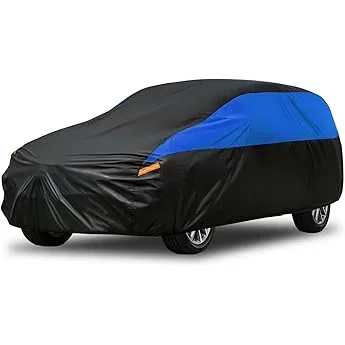
If you’re in the market for a used small SUV in 2026, you’re not alone. These versatile vehicles have become the go-to choice for millions of drivers—offering the perfect blend of fuel efficiency, cargo space, elevated driving position, and modern tech, all in a compact footprint. Whether you’re navigating city streets, heading out on weekend adventures, or shuttling kids to school, a small SUV can handle it all with ease. But with so many models, trims, and model years to choose from, finding the right one can feel overwhelming. That’s where this comprehensive buying guide comes in.
This guide is designed to help you cut through the noise and make a smart, informed decision. We’ll walk you through the most important factors to consider—from budget and reliability to safety ratings and long-term ownership costs. You’ll learn how to spot a well-maintained vehicle, avoid common pitfalls, and identify which models offer the best value for your needs. Whether you’re a first-time buyer or upgrading from an older vehicle, this guide arms you with expert-level insights to ensure you drive away with confidence.
The used small SUV market in 2026 is more competitive than ever. With advancements in hybrid technology, improved infotainment systems, and stricter emissions standards, even older models now come packed with features that rival new vehicles. At the same time, depreciation has made high-quality used SUVs more affordable than ever. From fuel-sipping hybrids to rugged off-roaders, there’s a used small SUV out there that fits your lifestyle and budget. Let’s dive in and find yours.

What to Look for When Buying Buying Guide
1. Budget & Price Range
Setting a realistic budget is the foundation of any successful used car purchase. For small SUVs, prices can range dramatically depending on age, mileage, trim level, and condition. As of 2026, you can expect to find solid entry-level options starting around $15,000, while well-equipped, late-model SUVs with low mileage may cost $30,000 or more. It’s crucial to factor in not just the purchase price, but also ongoing costs like insurance, fuel, maintenance, and potential repairs.
Start by determining your maximum out-of-pocket amount, including taxes, registration, and any financing fees. A good rule of thumb is to keep your total vehicle expenses—including loan payments, insurance, and maintenance—below 15% of your monthly take-home pay. If you’re financing, aim for a loan term no longer than 60 months to avoid being upside down on your loan. Also, consider setting aside 10–15% of the purchase price for immediate repairs or upgrades, especially if you’re buying from a private seller.
2. Performance Specifications
Performance matters—even in a small SUV. You’ll want a vehicle that delivers adequate power for merging onto highways, climbing hills, and carrying passengers or cargo without straining. Most used small SUVs come with four-cylinder engines, ranging from 1.5L to 2.4L, producing between 150 and 200 horsepower. Turbocharged engines, like those found in the Honda CR-V or Mazda CX-5, offer a nice balance of power and efficiency.
Consider whether you need all-wheel drive (AWD). While front-wheel drive (FWD) is standard and more fuel-efficient, AWD provides better traction in snow, rain, or light off-road conditions. If you live in a region with harsh winters or plan to explore unpaved trails, AWD is worth the slight fuel economy penalty. Also, check the vehicle’s towing capacity—some small SUVs can tow up to 3,500 pounds, which is useful for small trailers or jet skis.
Don’t overlook fuel economy. Small SUVs typically achieve 25–35 MPG combined, but hybrids like the Toyota RAV4 Hybrid or Ford Escape Hybrid can exceed 40 MPG. Over five years, a 5 MPG difference can save you over $1,000 in fuel costs, so it’s worth considering if you drive frequently.
3. Build Quality & Durability
Build quality directly impacts how long your SUV will last and how much it will cost to maintain. Japanese brands like Toyota, Honda, and Subaru have long been praised for their reliability and longevity. Models like the RAV4 and CR-V routinely last 200,000+ miles with proper care. Korean manufacturers like Hyundai and Kia have also made significant strides in quality, offering strong warranties and durable components.
Inspect the vehicle’s exterior for signs of rust, especially around wheel wells, door sills, and undercarriage. Check panel gaps—uneven spacing may indicate prior collision damage. Open and close all doors, the hood, and the tailgate to ensure smooth operation. Inside, test all switches, buttons, and controls. Look for worn upholstery, cracked dashboards, or musty smells, which could indicate water leaks or poor maintenance.
Review the vehicle’s service history. A well-documented maintenance record is a strong indicator of a cared-for vehicle. Look for regular oil changes, brake inspections, and timing belt replacements (if applicable). Avoid vehicles with gaps in service or signs of deferred maintenance.
4. Features & Functionality
Modern small SUVs come loaded with features that enhance comfort, safety, and convenience. When shopping used, prioritize the tech and safety systems that matter most to you. Key features to look for include:
- Infotainment System: A responsive touchscreen (7–8 inches) with Apple CarPlay and Android Auto is essential for smartphone integration. Avoid systems that rely solely on proprietary interfaces.
- Safety Tech: Look for advanced driver-assistance systems (ADAS) like automatic emergency braking, lane-keeping assist, blind-spot monitoring, and adaptive cruise control. These features significantly reduce accident risk.
- Comfort Features: Heated seats, dual-zone climate control, power-adjustable seats, and a panoramic sunroof can make long drives more enjoyable.
- Cargo Space: Check rear cargo volume with seats up and down. Some SUVs offer clever storage solutions like under-floor compartments or fold-flat rear seats.
While it’s tempting to chase the latest gadgets, remember that older models may lack some newer tech. Focus on features that improve safety and daily usability rather than flashy extras.
5. Brand Reputation
Brand reputation is a strong predictor of long-term satisfaction. Some automakers consistently rank high in reliability, customer service, and resale value. According to J.D. Power and Consumer Reports, Toyota, Lexus, Honda, and Subaru lead the pack in dependability. These brands also tend to hold their value better, which is a big advantage if you plan to sell or trade in the future.
That said, don’t dismiss other brands outright. Hyundai and Kia have transformed their image with improved quality and industry-leading warranties. European brands like Volkswagen and Volvo offer premium interiors and strong safety ratings, though they may cost more to maintain. Research brand-specific issues—some models have known problems like transmission quirks or electrical glitches—so you can avoid problematic years.
Check reliability ratings on sites like Consumer Reports, J.D. Power, and RepairPal. Look for models with above-average scores and low repair frequency. A brand with a strong reputation for durability can save you thousands in unexpected repairs.
6. Warranty & Support
Even used vehicles can come with warranty coverage, which provides peace of mind and financial protection. Many manufacturers offer certified pre-owned (CPO) programs that extend the original warranty and include rigorous inspections. For example, Toyota’s CPO program adds up to 12 months/12,000 miles of coverage beyond the original warranty, plus a 7-year/100,000-mile powertrain warranty.
If you’re buying from a private seller, consider purchasing an extended warranty from a reputable third-party provider. While these plans vary in coverage and cost, they can be worthwhile for high-mileage vehicles or models with a history of expensive repairs. Be sure to read the fine print—some exclusions apply, and claims may require pre-approval.
Also, check if the vehicle is still under the original manufacturer’s warranty. Some powertrain warranties last up to 10 years or 100,000 miles, which could cover major components like the engine and transmission. Transferable warranties add value and reduce risk.
7. Size & Practicality
Small SUVs are designed to be compact yet functional, but “small” can vary. Some models, like the Mazda CX-3, are truly subcompact with limited rear legroom and cargo space. Others, like the Honda CR-V, blur the line between small and midsize with generous interior room. Consider your daily needs:
- Passenger Space: If you regularly carry adults in the back seat, prioritize legroom and headroom. Test the rear seats yourself—some SUVs feel cramped despite marketing claims.
- Cargo Needs: Measure your typical cargo—golf bags, strollers, luggage—and compare it to the SUV’s cargo volume. Fold-down rear seats should be easy to operate and create a flat loading floor.
- Parking & Maneuverability: Smaller SUVs are easier to park in tight city spaces and navigate narrow streets. Check turning radius and visibility from the driver’s seat.
Don’t forget about ground clearance. While most small SUVs have 7–8 inches, some off-road-oriented models like the Subaru Crosstrek offer up to 8.7 inches, making them better suited for rough terrain.
8. User Reviews & Ratings
Real-world feedback from owners is invaluable. User reviews on sites like Edmunds, Cars.com, and Reddit provide insights you won’t find in brochures or spec sheets. Look for patterns in complaints—recurring issues with infotainment glitches, transmission hesitation, or poor fuel economy may signal deeper problems.
Pay attention to long-term ownership experiences. A vehicle that performs well for the first 50,000 miles may develop issues later. Check forums and owner groups for maintenance tips, common repairs, and recalls. For example, some Ford Escape models from the early 2010s had transmission issues, while certain Nissan Rogue years were prone to CVT problems.
Also, consider professional reviews from outlets like Car and Driver, MotorTrend, and U.S. News & World Report. These publications evaluate vehicles on performance, comfort, safety, and value, giving you a balanced perspective.
Different Types of Buying Guide

Common Buying Mistakes to Avoid
❌ Mistake: Skipping the Pre-Purchase Inspection
Why it’s bad: A used SUV may look clean on the outside but hide serious mechanical issues underneath. Skipping a professional inspection risks buying a money pit.
What to do instead: Always have a trusted mechanic inspect the vehicle before purchase. A $100–$150 inspection can save you thousands in repairs. Ask for a full diagnostic, including undercarriage, suspension, and engine condition.
❌ Mistake: Overlooking the Vehicle History Report
Why it’s bad: A clean title doesn’t guarantee a clean history. The vehicle could have been in a flood, involved in a major accident, or have odometer rollback.
What to do instead: Obtain a vehicle history report from Carfax or AutoCheck. Look for red flags like salvage titles, multiple owners in a short time, or inconsistent mileage records.
❌ Mistake: Focusing Only on Monthly Payment
Why it’s bad: Dealers can manipulate loan terms to lower monthly payments, but this often means paying more in interest over time or rolling negative equity into a new loan.
What to do instead: Negotiate the total purchase price first, then discuss financing. Aim for the shortest loan term you can afford to minimize interest.
❌ Mistake: Ignoring Resale Value
Why it’s bad: Some SUVs depreciate faster than others. Buying a model with poor resale value could cost you thousands when it’s time to sell.
What to do instead: Research depreciation rates using KBB or Edmunds. Choose models known for holding value, like the Toyota RAV4 or Honda CR-V.
❌ Mistake: Not Test Driving in Real Conditions
Why it’s bad: A quick drive around the block won’t reveal issues with highway noise, suspension stiffness, or transmission behavior at speed.
What to do instead: Test drive on highways, hills, and rough roads. Pay attention to braking, steering, and how the SUV handles wind and traffic.
❌ Mistake: Buying Based on Looks Alone
Why it’s bad: A flashy exterior or premium interior doesn’t guarantee reliability or performance. You could end up with a stylish but problematic vehicle.
What to do instead: Prioritize mechanical condition, maintenance history, and owner reviews over aesthetics. A well-maintained base model is often a better buy than a worn-out luxury trim.
❌ Mistake: Forgetting About Insurance Costs
Why it’s bad: Some SUVs cost significantly more to insure due to theft rates, repair costs, or safety ratings. This can add hundreds to your annual expenses.
What to do instead: Get insurance quotes for your top choices before buying. Compare rates across multiple providers to find the best deal.
Budget Guidelines: How Much Should You Spend?
Your budget will dictate which used small SUVs are within reach. Here’s a breakdown of what to expect at different price points in 2026:
- Entry-Level ($12,000–$18,000): Expect older models (2015–2018) with higher mileage (80,000–120,000 miles). These SUVs may lack modern tech and safety features but can still be reliable if well-maintained. Good options include the Honda CR-V (2015–2017), Toyota RAV4 (2014–2016), and Ford Escape (2016–2018). Focus on mechanical condition over features.
- Mid-Range ($18,000–$25,000): This is the sweet spot for most buyers. You’ll find 2018–2021 models with 40,000–70,000 miles, often with Apple CarPlay, advanced safety systems, and better fuel economy. Popular choices include the Mazda CX-5, Subaru Forester, and Hyundai Tucson. Many of these come with remaining factory warranties.
- Premium ($25,000–$32,000): For enthusiasts and professionals, this tier offers late-model (2021–2023) SUVs with low mileage, premium interiors, and cutting-edge tech. Look for the Toyota RAV4 Hybrid, Lexus NX, or Volvo XC40. These vehicles often come with CPO warranties and minimal wear.
- Luxury ($32,000+): Top-tier buyers can find nearly new luxury SUVs with all the bells and whistles—premium sound systems, leather seats, adaptive cruise control, and panoramic roofs. Models like the Acura RDX, BMW X3, and Genesis GV70 offer a near-new experience at a significant discount.

Expert Tips for Getting the Best Deal
- Time Your Purchase: Dealers often offer better deals at the end of the month, quarter, or year to meet sales targets. Also, shop in winter when demand for SUVs is lower.
- Shop Online First: Use sites like Autotrader, Cars.com, and CarGurus to compare prices and inventory. Many dealers offer online pricing and home delivery.
- Negotiate the Out-the-Door Price: Focus on the total cost, including fees and taxes, not just the sticker price. Be prepared to walk away if the deal isn’t right.
- Consider Certified Pre-Owned (CPO): CPO vehicles undergo rigorous inspections and come with extended warranties, making them a safer bet than private sales.
- Check for Recalls: Visit the NHTSA website to see if the vehicle has any open recalls. A dealer must fix recalls for free, but private sellers may not.
- Get Pre-Approved for Financing: Secure a loan from your bank or credit union before visiting the dealer. This gives you leverage and helps you avoid high-interest dealer financing.
- Bring a Friend: A second set of eyes can help you stay focused and avoid pressure tactics. They may also notice things you miss.
- Walk Away if Something Feels Off: Trust your instincts. If the seller is evasive, the price seems too good to be true, or the vehicle has a bad vibe, keep looking.

Frequently Asked Questions
Q: How many miles is too many for a used small SUV?
A: There’s no hard rule, but as a general guideline, 12,000–15,000 miles per year is normal. A 5-year-old SUV with 60,000 miles is in good shape, while one with 100,000+ miles may need major maintenance soon. Focus on maintenance history and condition over mileage alone.
Q: Should I buy a used hybrid SUV?
A: Yes, if you drive a lot or want to save on fuel. Hybrids like the Toyota RAV4 Hybrid are reliable and efficient. Just ensure the battery has been tested—most last 10+ years, but replacement can cost $2,000–$4,000.
Q: Is all-wheel drive worth the extra cost?
A: It depends on your climate and driving needs. AWD improves traction in snow, rain, and off-road conditions but reduces fuel economy by 1–3 MPG. If you live in a mild climate and stick to paved roads, FWD may suffice.
Q: Can I negotiate the price of a used SUV?
A: Absolutely. Use comparable listings, vehicle history, and inspection findings to justify your offer. Most sellers expect some negotiation, especially on private sales.
Q: What’s the best way to check for rust?
A: Inspect the undercarriage, wheel wells, door sills, and around the windshield. Look for bubbling paint, flaking metal, or surface corrosion. Rust can weaken structural integrity and lead to costly repairs.
Q: Are older SUVs safe?
A: Safety has improved dramatically over the past decade. While newer models have more advanced safety tech, many 2015–2018 SUVs still earned top safety ratings. Check IIHS and NHTSA crash test results for your specific model.
Q: Should I buy from a dealer or private seller?
A: Dealers offer more protections, warranties, and financing options, but often charge more. Private sellers may offer lower prices but less recourse if issues arise. Weigh the trade-offs based on your comfort level.
Q: How do I know if the transmission is in good condition?
A: During the test drive, listen for slipping, hesitation, or rough shifts. Check the transmission fluid—it should be red or pink, not brown or burnt-smelling. A mechanic can perform a pressure test for a definitive diagnosis.
Q: What’s the average lifespan of a small SUV?
A: With proper maintenance, most small SUVs last 150,000–200,000 miles. Some, like the RAV4 or CR-V, can exceed 250,000 miles. Regular oil changes, tire rotations, and timely repairs are key.
Q: Can I upgrade a used SUV’s infotainment system?
A: Yes, many aftermarket systems support Apple CarPlay and Android Auto. However, installation can be complex and may void warranties. Consider whether the upgrade is worth the cost and effort.
Our Final Recommendations
- Best for Budget-Conscious Buyers: 2017–2019 Honda CR-V – Reliable, fuel-efficient, and packed with features even in base trim. Excellent resale value and low maintenance costs.
- Best Overall Value: 2019–2021 Toyota RAV4 – Combines durability, fuel economy, and modern tech. The hybrid version offers up to 40 MPG and strong reliability ratings.
- Best Premium Option: 2020–2022 Mazda CX-5 – Upscale interior, engaging driving dynamics, and strong safety scores. A standout in the compact SUV class.
- Best for Beginners: 2018–2020 Subaru Forester – Standard AWD, excellent visibility, and top safety ratings. Great for new drivers or those in snowy climates.
- Best for Advanced Users: 2021–2023 Ford Escape Hybrid – Tech-savvy buyers will appreciate the responsive infotainment, strong fuel economy, and available plug-in hybrid option.
Conclusion: Making the Right Choice
Buying a used small SUV in 2026 doesn’t have to be stressful. By focusing on your priorities—whether that’s budget, safety, fuel efficiency, or tech—you can find a vehicle that fits your lifestyle and delivers long-term value. Remember to do your research, inspect thoroughly, and never rush the process. The right SUV is out there, and with the insights from this guide, you’re well-equipped to find it.
Take your time, ask questions, and trust your instincts. A little patience and preparation can save you thousands and ensure years of reliable, enjoyable driving. Whether you’re commuting to work, exploring the outdoors, or transporting your family, the perfect used small SUV is waiting for you. Happy shopping!