
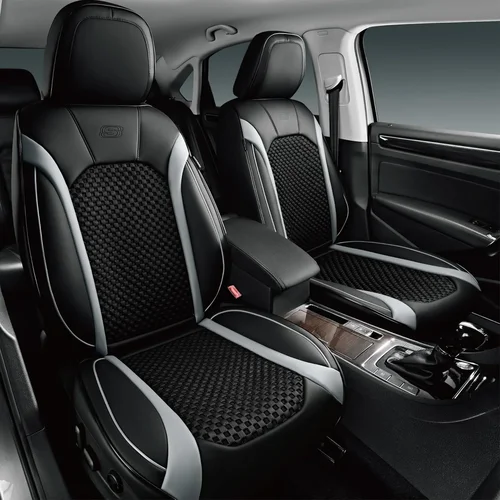

Hybrid SUVs have become one of the most sought-after vehicle categories in recent years, and for good reason. With rising fuel costs, growing environmental awareness, and stricter emissions regulations, drivers are increasingly turning to hybrid SUVs as a smart, practical, and eco-conscious alternative to traditional gas-powered models. These vehicles combine the spaciousness, versatility, and rugged appeal of an SUV with the fuel efficiency and lower emissions of hybrid technology—offering the best of both worlds.
Whether you’re a family looking for a reliable daily driver, an outdoor enthusiast needing all-terrain capability, or a commuter seeking to reduce your carbon footprint and fuel expenses, a hybrid SUV could be the perfect fit. But with so many options on the market in 2026, choosing the right one can feel overwhelming. That’s where this comprehensive buying guide comes in. We’ll walk you through everything you need to know—from understanding how hybrid systems work to evaluating key performance metrics, comparing top models, and avoiding common pitfalls. By the end, you’ll have the knowledge and confidence to make an informed decision that aligns with your lifestyle, budget, and long-term goals.
The hybrid SUV market has evolved dramatically over the past decade. What once consisted of a handful of niche models has now expanded into a diverse and competitive segment featuring offerings from nearly every major automaker. Toyota, Honda, Ford, Hyundai, Kia, Lexus, and even luxury brands like BMW and Volvo now offer hybrid or plug-in hybrid SUVs with impressive fuel economy ratings, advanced safety features, and modern infotainment systems. In 2026, the average hybrid SUV delivers over 40 miles per gallon (mpg) in combined city and highway driving—some even exceed 50 mpg. With federal and state incentives still available in many regions, plus lower maintenance costs over time, hybrid SUVs are no longer just a green choice—they’re a financially savvy one too.

What to Look for When Buying Buying Guide
1. Fuel Efficiency & MPG Ratings
Fuel efficiency is arguably the most important factor when shopping for a hybrid SUV. After all, the primary appeal of a hybrid is its ability to deliver significantly better gas mileage than conventional SUVs. In 2026, most hybrid SUVs offer EPA-estimated combined fuel economy ratings between 35 and 50 mpg, with plug-in hybrids (PHEVs) capable of achieving over 80 MPGe (miles per gallon equivalent) when running on electric power alone.
When comparing models, always check the official EPA ratings for city, highway, and combined driving. City driving typically yields the highest mpg due to regenerative braking and electric-only operation at low speeds. However, real-world results can vary based on driving habits, climate, and terrain. For example, frequent short trips in stop-and-go traffic may maximize efficiency, while long highway commutes at high speeds can reduce it. Also, consider whether the vehicle is a full hybrid (like the Toyota RAV4 Hybrid) or a plug-in hybrid (like the Ford Escape PHEV). Full hybrids recharge their batteries through driving and braking, while PHEVs require external charging but offer longer all-electric range—ideal for urban commuters with access to home or public chargers.
2. Battery Technology & Electric Range
The battery is the heart of any hybrid SUV, and advancements in lithium-ion and solid-state technology have dramatically improved performance, longevity, and safety. In 2026, most hybrid SUVs use high-density lithium-ion batteries with warranties covering 8–10 years or 100,000 miles. Some premium models now feature next-gen solid-state batteries, which offer faster charging, longer life, and reduced fire risk—though they’re still relatively rare and expensive.
For plug-in hybrids, electric-only range is a critical metric. Most PHEV SUVs offer between 25 and 50 miles of electric driving, which is sufficient for many daily commutes. If you drive less than 30 miles round-trip and can charge at home, a PHEV could allow you to complete most trips without using any gasoline. Full hybrids, on the other hand, don’t plug in but still use electric motors to assist the engine and power accessories, improving overall efficiency.
Always consider battery degradation over time. While modern batteries are highly durable, extreme temperatures—especially prolonged exposure to heat—can accelerate wear. Look for models with active thermal management systems that keep the battery within an optimal temperature range.
3. Performance & Powertrain Options
Don’t assume that better fuel economy means sacrificing performance. Many 2026 hybrid SUVs deliver impressive acceleration and towing capacity thanks to electric motors that provide instant torque. For example, the Ford Explorer Hybrid can tow up to 5,000 pounds, while the Toyota Highlander Hybrid offers a combined output of over 350 horsepower.
Hybrid powertrains typically combine a gasoline engine (often a 4-cylinder) with one or more electric motors. The most common configurations include:
– Series hybrids: The engine generates electricity to power the motor; wheels are driven solely by electricity.
– Parallel hybrids: Both the engine and motor can drive the wheels directly.
– Series-parallel hybrids: Combine both systems for maximum flexibility and efficiency (used by Toyota and Lexus).
All-wheel drive (AWD) is widely available on hybrid SUVs, often powered by a rear electric motor that operates independently of the front wheels. This setup improves traction without significantly reducing fuel economy. If you live in a snowy or mountainous region, AWD is highly recommended.
4. Interior Space & Cargo Capacity
One of the main reasons people choose SUVs is for their spacious interiors and cargo versatility. Hybrid SUVs are no exception, but it’s important to verify that the hybrid system hasn’t compromised passenger or storage space. Some models place batteries under the floor or in the trunk, which can reduce cargo volume or eliminate spare tire storage.
In 2026, most hybrid SUVs maintain competitive interior dimensions. The Honda CR-V Hybrid, for instance, offers nearly identical cargo space to its gas-only counterpart. However, larger models like the Hyundai Santa Fe Hybrid may have slightly less rear legroom due to battery placement. Always check third-party reviews and measure your typical cargo (e.g., strollers, golf bags, luggage) to ensure it fits comfortably.
Seating capacity typically ranges from five to eight passengers. Three-row hybrids like the Kia Sorento Hybrid and Toyota Highlander Hybrid are excellent for families, though the third row is often best suited for children. Look for features like sliding second-row seats, fold-flat rear benches, and underfloor storage compartments to maximize utility.
5. Technology & Infotainment Features
Modern hybrid SUVs are packed with cutting-edge technology designed to enhance safety, convenience, and connectivity. In 2026, expect standard features like:
– 10+ inch touchscreens with Apple CarPlay and Android Auto
– Wireless charging pads
– Over-the-air (OTA) software updates
– Digital instrument clusters
– Advanced driver-assistance systems (ADAS)
Infotainment responsiveness and user interface design vary widely between brands. Toyota and Lexus have improved their systems significantly, while Hyundai and Kia continue to lead with intuitive, feature-rich setups. Avoid models with laggy touchscreens or overly complex menus—these can be frustrating during daily use.
Safety tech is equally important. Look for systems like adaptive cruise control, lane-keeping assist, automatic emergency braking, blind-spot monitoring, and rear cross-traffic alert. Many 2026 hybrids now include semi-autonomous driving modes (e.g., Toyota’s Teammate or Ford’s BlueCruise) that allow hands-free driving on highways.
6. Build Quality & Reliability
Reliability is a major factor in long-term ownership satisfaction, especially with complex hybrid systems. Brands like Toyota, Honda, and Lexus consistently rank highest in reliability surveys from J.D. Power and Consumer Reports. Their hybrid powertrains have been refined over two decades and are proven to last well beyond 200,000 miles with proper maintenance.
When evaluating build quality, inspect interior materials, panel gaps, and finish consistency. Higher-end models often use soft-touch plastics, real wood or metal trim, and premium upholstery. However, even budget-friendly hybrids like the Hyundai Tucson Hybrid now offer surprisingly upscale cabins.
Pay attention to noise levels—both road and wind noise can detract from the driving experience. Hybrid SUVs are generally quieter than gas models due to electric operation at low speeds, but some may exhibit a noticeable “engine drone” during acceleration.
7. Warranty & Maintenance Costs
Hybrid vehicles often come with enhanced warranties to reassure buyers about battery and powertrain longevity. Most manufacturers offer:
– 8-year/100,000-mile hybrid component warranty
– 3-year/36,000-mile basic warranty
– 5-year/60,000-mile powertrain coverage
Some brands, like Hyundai and Kia, extend their hybrid battery warranty to 10 years/100,000 miles. This is a significant advantage and reflects confidence in their technology.
Maintenance costs for hybrids are generally lower than for gas vehicles due to reduced brake wear (thanks to regenerative braking) and less engine strain. However, battery replacement—should it ever be needed—can cost $2,000 to $8,000. Fortunately, failures are rare within the warranty period.
Always ask about scheduled maintenance requirements. Many hybrids require fewer oil changes and brake inspections, but software updates and battery health checks may be recommended annually.
8. Resale Value & Depreciation
Hybrid SUVs tend to hold their value better than gas-only models, especially in markets with high fuel prices or strong environmental incentives. According to Kelley Blue Book, hybrids depreciate at a slower rate, with some models retaining over 60% of their value after three years.
Toyota and Lexus hybrids consistently top resale value charts, thanks to their reputation for durability and low cost of ownership. Plug-in hybrids may depreciate faster if charging infrastructure is limited in your area, as their value depends heavily on electric usability.
When shopping, consider certified pre-owned (CPO) hybrid SUVs. These vehicles undergo rigorous inspections, come with extended warranties, and offer significant savings over new models—often 20–30% less.