
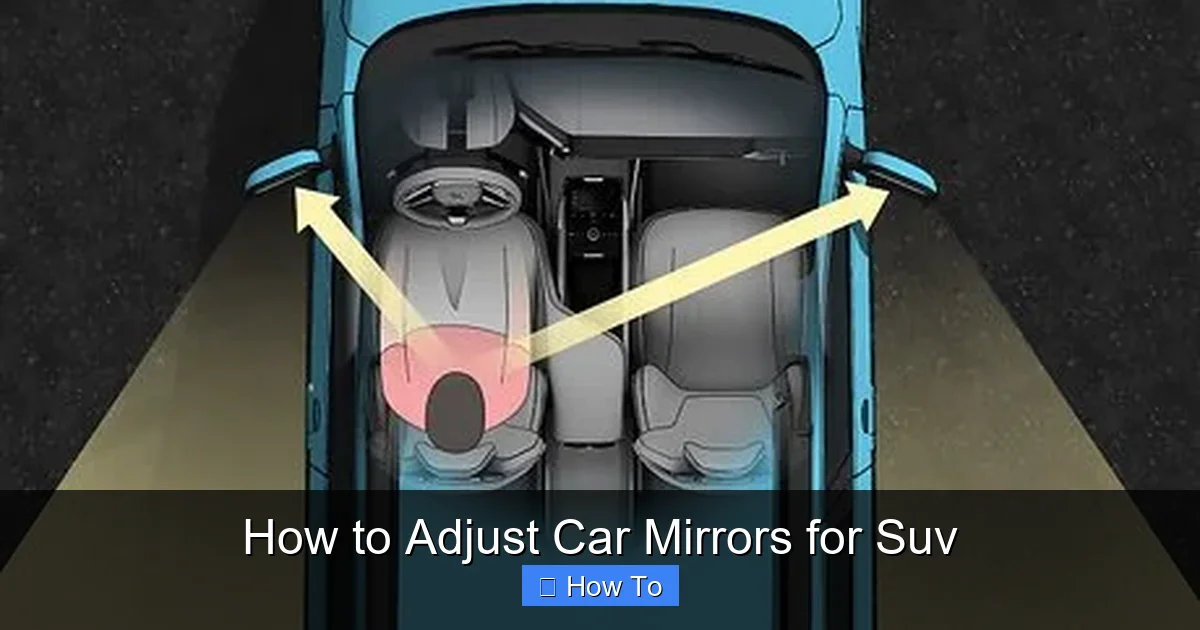
Adjusting your SUV’s mirrors correctly is essential for safe driving and minimizing blind spots. This guide walks you through step-by-step instructions for setting up your rearview and side mirrors to maximize visibility and reduce accidents.
Key Takeaways
- Proper mirror adjustment reduces blind spots: Correctly positioning your mirrors minimizes dangerous blind zones, especially important in larger SUVs with bigger blind spots.
- Start with the driver’s seat position: Always adjust your seat, steering wheel, and headrest before touching the mirrors to ensure accurate alignment.
- Use the “shoulder check” method for side mirrors: Position side mirrors so you can just see your vehicle’s rear corner, reducing overlap with the rearview mirror.
- Adjust the rearview mirror for maximum rear visibility: Center it on the rear window, ensuring you see the full view behind you without head movement.
- Consider convex or blind-spot mirrors: These add-ons enhance side visibility and are especially helpful for SUVs with limited rear sightlines.
- Test your setup before driving: Sit normally and check all mirrors to confirm they provide a seamless field of view with minimal overlap.
- Recheck mirrors after long trips or seat changes: Vibrations or passenger adjustments can shift mirrors—regular checks keep you safe.
How to Adjust Car Mirrors for SUV: A Complete Guide
Driving an SUV comes with many advantages—more space, higher seating, and better visibility in some cases. But with that extra size comes a bigger challenge: managing blind spots. Unlike smaller cars, SUVs often have larger blind zones due to their height, width, and sometimes limited rear window visibility. That’s why knowing how to adjust car mirrors for SUV properly is not just helpful—it’s essential for safety.
In this guide, you’ll learn exactly how to set up your SUV’s mirrors for maximum visibility, reduced blind spots, and safer driving. Whether you’re a new SUV owner or just want to improve your current setup, these step-by-step instructions will help you get it right. We’ll cover the rearview mirror, both side mirrors, and even offer tips on using aftermarket solutions like blind-spot mirrors or cameras.
By the end, you’ll be able to drive with confidence, knowing your mirrors are giving you the best possible view of the road around you.
Why Proper Mirror Adjustment Matters for SUVs
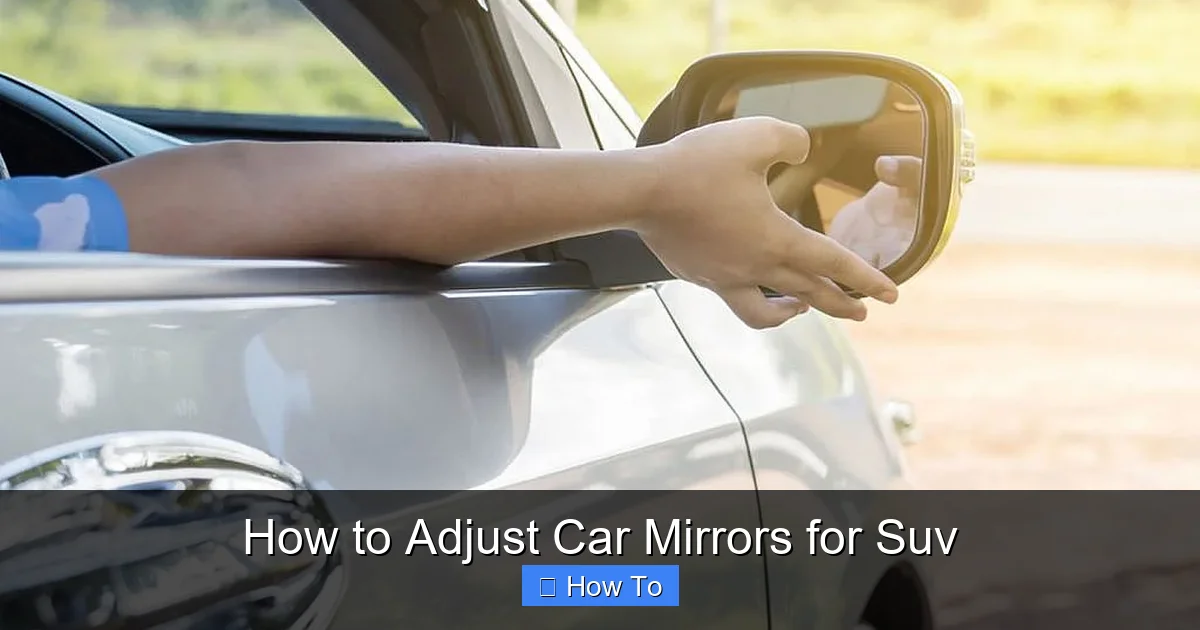
Visual guide about How to Adjust Car Mirrors for Suv
Image source: d2hucwwplm5rxi.cloudfront.net
SUVs are taller and wider than most sedans, which means they naturally have larger blind spots. The blind spot is the area around your vehicle that you can’t see directly or through your mirrors. According to the National Highway Traffic Safety Administration (NHTSA), blind spots contribute to thousands of accidents each year—many involving lane changes or merging.
When your mirrors aren’t adjusted correctly, these blind spots grow even larger. For example, if your side mirrors are angled too far inward, they overlap too much with your rearview mirror, creating gaps on the sides. If they’re angled too far outward, you might see more of the sky than the road.
Properly adjusted mirrors help you:
– See vehicles approaching from behind
– Detect cars in adjacent lanes before changing lanes
– Reduce the need for constant head-turning
– Improve overall situational awareness
Think of your mirrors as your second set of eyes. When they’re set up right, they give you a seamless view of what’s happening around your SUV—without you having to twist your neck or lean forward.
Step 1: Adjust Your Seat and Steering Wheel First
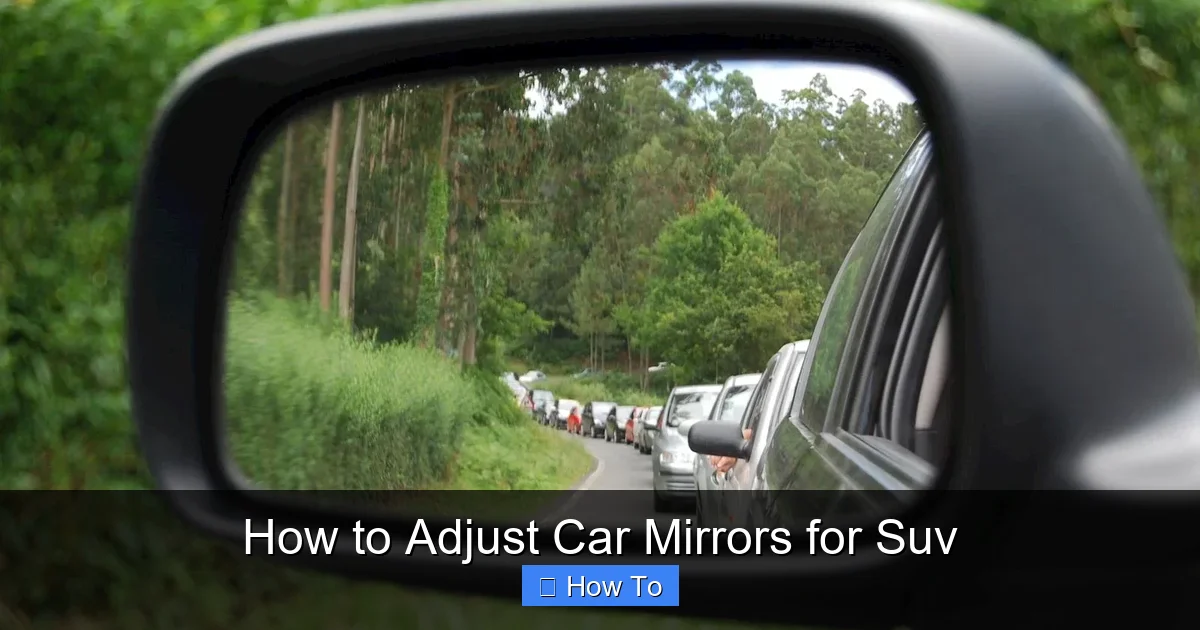
Visual guide about How to Adjust Car Mirrors for Suv
Image source: ml-vehicle.com
Before you touch any mirror, make sure your driving position is correct. Your seat, steering wheel, and headrest all affect how you see the road and how your mirrors should be aligned.
Set Your Seat Position
Sit in the driver’s seat and adjust it so:
– Your back is flat against the seatback
– Your knees are slightly bent when pressing the pedals
– You can comfortably reach the steering wheel without leaning forward
Most SUVs have power-adjustable seats, so take advantage of the lumbar support, seat height, and tilt features. A higher seat position in an SUV actually helps with visibility, but don’t raise it so high that your head hits the roof or you lose pedal control.
Adjust the Steering Wheel
Position the steering wheel so:
– Your wrists can rest on top without leaning forward
– The wheel doesn’t block your view of the dashboard
– It feels natural and comfortable to hold
Some SUVs have telescoping and tilt-adjustable steering wheels. Use both features to find the best angle.
Set the Headrest
The top of your headrest should align with the top of your head. This protects your neck in a collision and ensures your head is in the correct position for mirror alignment.
Once your seat, wheel, and headrest are set, you’re ready to adjust your mirrors. Never skip this step—mirrors are only effective when your body is in the right position.
Step 2: Adjust the Rearview Mirror
The rearview mirror is your main source of information about what’s happening behind you. In an SUV, it’s especially important because the rear window is often smaller or more slanted than in other vehicles.
Position the Mirror Correctly
Sit in your normal driving position and look straight ahead. Then, adjust the rearview mirror so:
– The entire rear window is visible
– The mirror is centered with your line of sight
– You don’t need to move your head to see out the back
Avoid tilting the mirror too high or too low. You want a full, unobstructed view of the road behind you.
Use the Day/Night Switch (If Available)
Most SUVs have a manual or automatic dimming feature on the rearview mirror. The manual version usually has a small lever at the bottom.
– During the day, flip the lever forward for normal reflection.
– At night, flip it back to reduce glare from headlights behind you.
If your SUV has an auto-dimming mirror, it will adjust automatically based on light sensors. Make sure it’s turned on in your vehicle settings.
Check for Obstructions
SUVs often have rear seats that fold down or cargo areas that block the rear window. If you’re carrying tall items, they might block your view. In that case, rely more on your side mirrors and consider using a rearview camera if your SUV has one.
Tip: If you frequently carry cargo, consider installing a rearview camera system. Many newer SUVs come with this feature, and it’s a lifesaver for parking and reversing.
Step 3: Adjust the Side Mirrors (Driver and Passenger)
Side mirrors are critical for lane changes, merging, and detecting vehicles in your blind spots. Most drivers make the mistake of setting them too far inward, which creates overlap with the rearview mirror and leaves large blind zones.
Use the “Shoulder Check” Method
Here’s the best way to adjust your side mirrors:
1. Sit in your normal driving position.
2. Adjust the driver’s side mirror so you can just barely see the rear corner of your SUV’s body.
3. Do the same for the passenger side mirror.
This method ensures that your side mirrors cover areas the rearview mirror can’t see, reducing overlap and maximizing coverage.
Test the Setup
Once adjusted, test your mirrors:
– Look at the driver’s side mirror. You should see a car approaching from behind move from the rearview mirror into the side mirror—without disappearing into a blind spot.
– The same should happen on the passenger side.
If a car disappears between mirrors, your side mirrors are angled too far inward.
Adjust for SUV-Specific Challenges
SUVs often have thicker C-pillars (the pillars between the rear side windows and the back window), which can block side views. To compensate:
– Angle your side mirrors slightly outward
– Use convex blind-spot mirrors (more on that below)
– Turn your head slightly when changing lanes (always do a shoulder check)
Remember: Mirrors can’t eliminate all blind spots. Always do a quick shoulder check before changing lanes, especially in heavy traffic.
Step 4: Fine-Tune for Maximum Visibility
After setting your mirrors, take a moment to fine-tune them for the best possible view.
Check Mirror Alignment at Night
At night, headlights from behind can create glare. Make sure your side mirrors are angled correctly so they don’t reflect bright lights directly into your eyes.
Some SUVs have auto-dimming side mirrors. If yours don’t, consider upgrading to aftermarket dimming mirrors or using anti-glare coatings.
Adjust for Passenger or Cargo Changes
If someone else drives your SUV, they may adjust the mirrors. Always check them before driving.
Also, if you load heavy cargo, your SUV may sit lower in the back, changing your rearview angle. Recheck your rearview mirror after loading.
Use Technology to Your Advantage
Many modern SUVs come with:
– Blind-spot monitoring systems (lights on the side mirrors that flash when a car is in your blind spot)
– Rear cross-traffic alert (warns you when a car is approaching from the side while reversing)
– 360-degree cameras (give a bird’s-eye view of your vehicle)
Use these features, but don’t rely on them completely. Always check your mirrors and do shoulder checks.
Step 5: Add-Ons and Upgrades for Better Visibility
If your SUV still has significant blind spots, consider these upgrades:
Convex or Blind-Spot Mirrors
These are small, curved mirrors that attach to your existing side mirrors. They provide a wider field of view and help detect vehicles in blind spots.
– Pros: Inexpensive, easy to install, effective
– Cons: Can distort distance perception, may require adjustment
Tip: Stick with high-quality brands and avoid overly large mirrors that make objects look too small.
Wide-Angle Side Mirrors
Some aftermarket side mirrors offer a wider field of view than factory mirrors. These are especially useful for large SUVs like the Ford Expedition or Chevrolet Tahoe.
Rearview Camera Systems
If your SUV doesn’t have a factory backup camera, you can install one. Look for systems with night vision and wide-angle lenses.
Blind-Spot Monitoring Sensors
These sensors detect vehicles in your blind spots and alert you with lights or sounds. Some systems even apply gentle steering correction if you try to change lanes unsafely.
While these upgrades aren’t necessary for everyone, they can significantly improve safety—especially for drivers who frequently carry passengers or tow trailers.
Troubleshooting Common Mirror Issues
Even with proper adjustment, you might run into problems. Here’s how to fix them:
Problem: Mirrors Keep Moving or Losing Position
Some SUVs have power mirrors that can shift due to vibrations or accidental bumps.
– Solution: Use the memory seat function (if available) to save your mirror settings. On some vehicles, adjusting the seat also adjusts the mirrors automatically.
Problem: Glare at Night
Bright headlights from behind can be blinding.
– Solution: Use the rearview mirror’s night mode. For side mirrors, angle them slightly downward or use anti-glare wipes.
Problem: Can’t See the Rear Window Clearly
Cargo, headrests, or a slanted window might block your view.
– Solution: Fold down rear seats (if safe), use a rearview camera, or install a convex rearview mirror.
Problem: Blind Spots Still Too Large
Even with proper mirrors, some SUVs have unavoidable blind zones.
– Solution: Combine mirror adjustments with technology (like blind-spot monitoring) and always do shoulder checks.
Final Tips for Safe Driving with Properly Adjusted Mirrors
– Recheck your mirrors every time you drive, especially if someone else used the vehicle.
– Teach family members how to adjust mirrors correctly.
– Practice adjusting mirrors in a safe, empty parking lot.
– Remember: Mirrors are tools, not substitutes for head checks.
– Keep mirrors clean—dirt, snow, or ice can block your view.
Conclusion
Adjusting your car mirrors for SUV isn’t just a one-time task—it’s a vital part of safe driving. By following these steps, you’ll reduce blind spots, improve visibility, and gain more confidence on the road.
Start with your seat and steering wheel, then move to the rearview and side mirrors. Use the “shoulder check” method, test your setup, and consider add-ons if needed. And always remember to do a quick shoulder check before changing lanes.
Your SUV is a powerful, capable vehicle. Make sure your mirrors are working just as hard to keep you safe. With the right adjustments, you’ll see more, react faster, and drive smarter.