
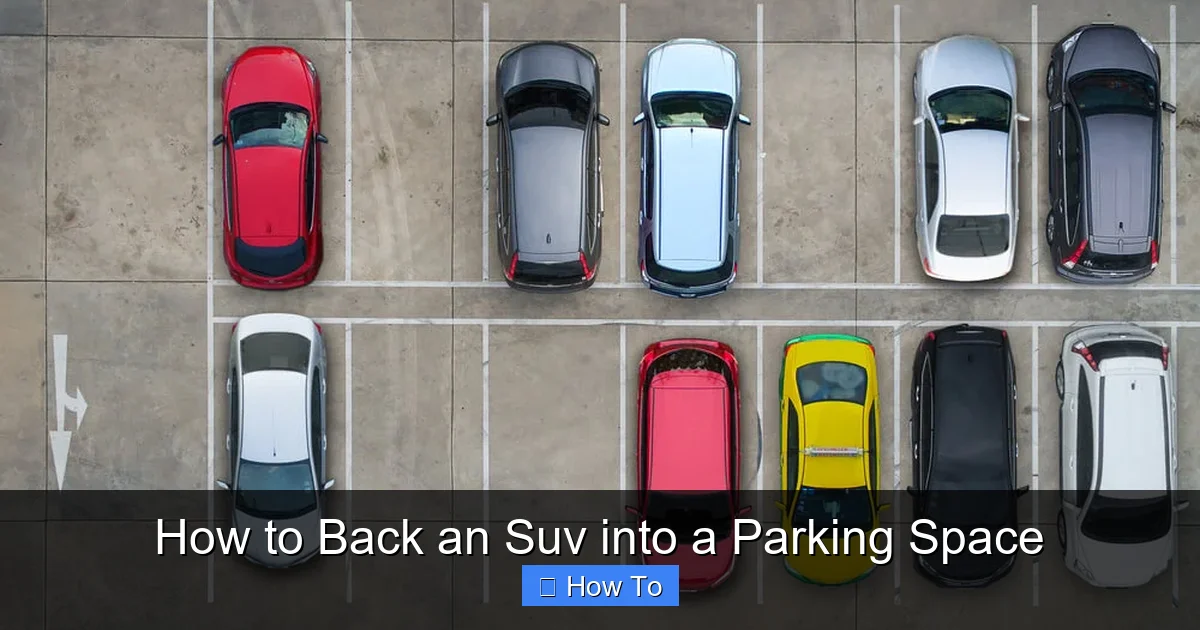
Backing an SUV into a parking space can feel intimidating, but with the right technique and practice, it becomes second nature. This guide walks you through every step—from positioning your vehicle to using mirrors and sensors—so you can park safely and efficiently. Master reverse parking with confidence using clear instructions and real-world tips.
Key Takeaways
- Use your mirrors and cameras: Always rely on side and rearview mirrors, and if your SUV has a backup camera or parking sensors, use them to guide your movements.
- Position your SUV correctly before reversing: Align your vehicle parallel to the parking space, about 2–3 feet away, before beginning the turn.
- Go slow and steady: Reverse at a controlled pace to maintain precision and react to obstacles in time.
- Practice in empty lots: Build confidence by practicing in low-traffic areas before tackling busy parking garages or tight spots.
- Check blind spots manually: Even with technology, always turn your head to check blind spots—cameras can’t catch everything.
- Straighten the wheels after parking: Once aligned, straighten the steering wheel to ensure your SUV sits neatly within the lines.
- Use reference points: Learn your SUV’s dimensions and use visual cues (like the edge of the bumper or side mirrors) to judge distance and alignment.
How to Back an SUV into a Parking Space
Parking an SUV—especially in reverse—can feel like a challenge, even for experienced drivers. SUVs are larger, have bigger blind spots, and often come with features like backup cameras and sensors that can either help or confuse. But with the right approach, backing your SUV into a parking space can be smooth, safe, and stress-free.
In this guide, you’ll learn a step-by-step method to reverse park your SUV with confidence. Whether you’re navigating a tight grocery store lot, a busy mall, or a narrow garage, these techniques will help you park accurately and avoid common mistakes. We’ll cover positioning, steering, using technology, and troubleshooting issues like misalignment or obstacles.
By the end of this guide, you’ll know exactly how to back an SUV into a parking space—every time.
Why Backing Into a Parking Space Is Smart
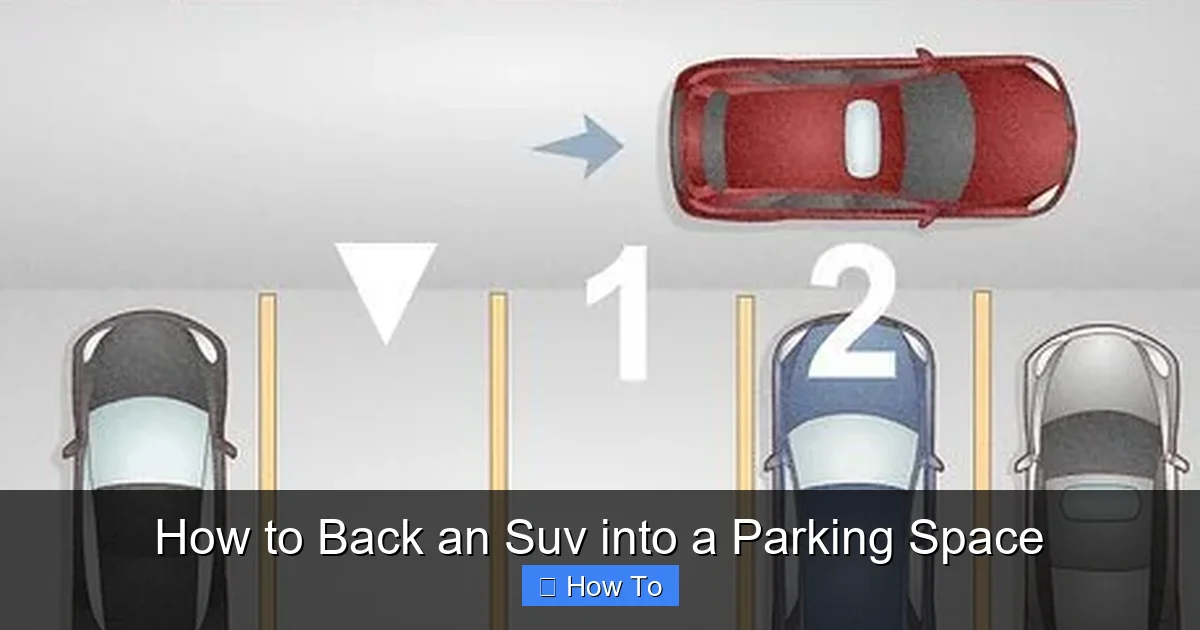
Visual guide about How to Back an Suv into a Parking Space
Image source: wikihow.com
Before we dive into the steps, let’s talk about why reverse parking is often the better choice—especially for SUVs.
First, backing into a space gives you better visibility when you leave. When you pull forward out of a parking spot, your view of oncoming traffic is limited by your SUV’s high hood and large pillars. But when you back in, you can pull out forward, giving you a clear line of sight in all directions.
Second, reverse parking is safer in busy areas. If you’re in a crowded lot, backing in allows you to exit more quickly and with less maneuvering. It also reduces the risk of side-swipe accidents, which are common when drivers try to squeeze forward into tight spots.
Finally, reverse parking helps you practice precision. SUVs are bigger, so learning to control their movement in reverse builds better spatial awareness and driving skills overall.
Step 1: Choose the Right Parking Space
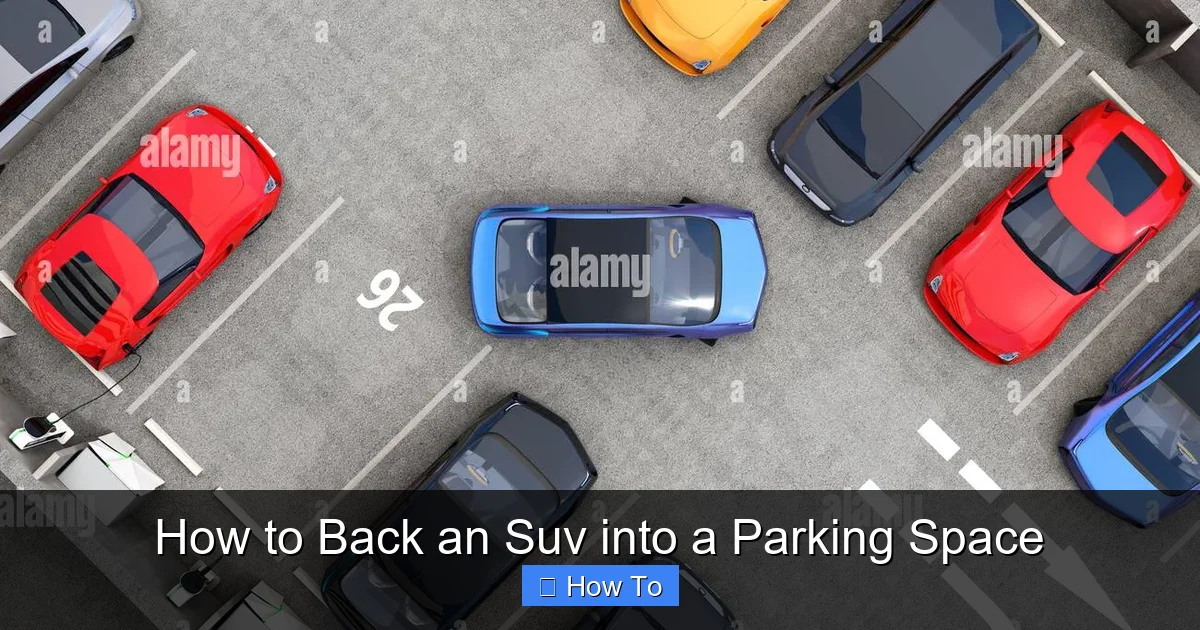
Visual guide about How to Back an Suv into a Parking Space
Image source: c8.alamy.com
Not all parking spaces are created equal—especially for SUVs. Before you even start reversing, take a moment to assess the space.
Look for a spot that’s:
– At least one size larger than your SUV (e.g., if you drive a midsize SUV, aim for a full-size or truck space).
– Free of obstacles like shopping carts, poles, or low-hanging signs.
– Not directly next to a wall or pillar, which can make exiting difficult.
If the space is too narrow, don’t force it. Move to the next one. It’s better to walk a little farther than risk damaging your vehicle.
Also, consider the direction of traffic. If you’re in a one-way lane, make sure you’re approaching the space from the correct side. You don’t want to reverse across traffic.
Step 2: Position Your SUV Correctly
Proper positioning is the foundation of a successful reverse park. If you start too close or too far from the space, you’ll struggle to align your SUV.
Here’s how to position your vehicle:
Drive Past the Space
Slowly drive past the parking space you want to use. Stop when your rear bumper is aligned with the edge of the space (or the car next to it, if occupied).
Leave 2–3 Feet of Space
Your SUV should be parallel to the parking space and about 2–3 feet away from it. This distance gives you room to turn without hitting the car beside you.
If you’re too close, you won’t have enough room to swing in. If you’re too far, you might overshoot or angle incorrectly.
Check Your Mirrors
Use your side mirrors to confirm your distance from the adjacent vehicles. The gap should look even on both sides.
If your SUV has a 360-degree camera, use it to get a bird’s-eye view. But don’t rely on it alone—always double-check with your mirrors and a quick glance over your shoulder.
Step 3: Prepare to Reverse
Now that you’re in position, it’s time to get ready to back in.
Shift into Reverse
Come to a complete stop, then shift your transmission into reverse. Make sure your foot is on the brake.
Adjust Your Mirrors
Tilt your side mirrors down slightly so you can see the parking lines and the ground behind your SUV. This helps you judge distance and alignment.
If your SUV has a rearview camera, activate it. Most systems turn on automatically when you shift into reverse.
Turn Your Head
Even with cameras and sensors, always turn your head to look out the rear window. This gives you the best view of what’s behind you—especially in blind spots.
Place your right hand on the passenger seatback and turn your body to face the rear. This position gives you maximum visibility.
Step 4: Begin Reversing Slowly
Now it’s time to start moving—slowly.
Release the Brake Gradually
Gently release the brake and let your SUV begin to roll backward. SUVs have a higher center of gravity, so sudden movements can cause swaying or loss of control.
Keep your foot ready to brake at any moment.
Watch Your Side Mirrors
As you reverse, keep an eye on both side mirrors. You want to see the parking lines approaching the edge of your bumper.
The goal is to guide your SUV into the center of the space.
Use the Backup Camera
If your SUV has a backup camera, use the on-screen guidelines to help you align. Most cameras show dynamic lines that curve as you turn the wheel.
But remember: these lines are estimates. Always confirm with your mirrors and a glance over your shoulder.
Step 5: Turn the Steering Wheel
This is where many drivers make mistakes. The timing and direction of your turn are crucial.
Start Turning When the Front Bumper Clears
As your SUV begins to reverse, wait until the front bumper clears the car beside you. Then, begin turning the steering wheel toward the parking space.
For a standard right-hand turn into a space on your right, turn the wheel to the right.
Turn Fully, Then Adjust
Turn the wheel all the way in the direction of the space. This creates a sharp angle that guides your SUV into the spot.
As your SUV enters the space, you’ll start to see the parking lines in your side mirror. When the rear of your SUV is about halfway into the space, begin straightening the wheel.
Straighten the Wheel
Once your SUV is aligned with the parking lines, straighten the steering wheel completely. This allows the vehicle to roll straight back into the center of the space.
Don’t overcorrect. Small adjustments are better than sudden movements.
Step 6: Monitor Your Progress
As you reverse, keep checking your surroundings.
Watch for Obstacles
Look out for shopping carts, curbs, or other vehicles that might have moved into your path. If you see something, stop immediately.
Use Parking Sensors
If your SUV has parking sensors, listen for the beeping. The faster the beeps, the closer you are to an object.
But don’t rely on them completely. Sensors can miss low objects or soft materials like snow or leaves.
Check Your Alignment
Use your side mirrors to ensure your SUV is centered in the space. If one side is closer to the line, make a small steering adjustment to correct it.
You can also use reference points—like the edge of your bumper aligning with the parking line—to judge your position.
Step 7: Complete the Parking Maneuver
Once your SUV is fully in the space, it’s time to finish up.
Stop When Centered
Come to a complete stop when your SUV is centered between the lines. You should have equal space on both sides.
If you’re too far forward or back, you can make small adjustments by moving forward or backward slightly.
Straighten the Wheels
Make sure your steering wheel is straight. This ensures your tires are aligned and your SUV sits neatly in the space.
Shift to Park and Engage the Brake
Shift into park (or engage the parking brake if you drive a manual), and turn off the engine if you’re done.
Tips for Success
Even with the steps above, reverse parking can take practice. Here are some practical tips to help you succeed:
Practice in an Empty Lot
Find a large, empty parking lot—like at a closed store or school—and practice backing into spaces. Use cones or markers to simulate cars.
Start with wide spaces, then gradually try tighter ones.
Learn Your SUV’s Dimensions
Know how long and wide your SUV is. This helps you judge whether a space is big enough.
You can find your vehicle’s dimensions in the owner’s manual or online.
Use Reference Points
Every SUV is different, but you can learn visual cues. For example:
– When the edge of your side mirror lines up with the parking line, you’re about 12 inches away.
– When the rear bumper covers the line in your mirror, you’re close to the curb.
Practice these cues until they become second nature.
Don’t Rush
Take your time. Reverse parking is about precision, not speed. Going slow gives you more control and reduces the risk of mistakes.
Use Technology Wisely
Backup cameras and sensors are helpful, but they’re not perfect. Always combine them with manual checks.
If your camera is dirty, clean it. A smudged lens can distort your view.
Troubleshooting Common Problems
Even experienced drivers run into issues. Here’s how to handle common problems:
Problem: My SUV is Angled Wrong
If your SUV is crooked in the space, don’t panic. Shift into drive, pull forward slightly, and realign. Then reverse again, adjusting your turn.
Problem: I’m Too Close to One Side
If one side is too close to the line or another car, straighten the wheel and pull forward a few inches. Then reverse again, turning slightly away from the close side.
Problem: I Hit the Curb
If you hear a bump, stop immediately. Check your tires and suspension. If everything looks okay, adjust your position and continue.
To avoid curbs, use your side mirror to watch the distance between your tire and the curb.
Problem: My SUV Won’t Fit
If the space is too small, don’t force it. Move to a larger spot. It’s better to park farther away than risk damage.
Problem: I Can’t See Behind Me
If your view is blocked by passengers or cargo, ask someone to guide you. Or, get out and check the area before reversing.
Never reverse blindly.
Practice Makes Perfect
Like any driving skill, reverse parking improves with practice. The more you do it, the more confident you’ll become.
Try these practice exercises:
– Back into a space using only mirrors (no camera).
– Practice in different conditions—rain, night, tight spaces.
– Time yourself to build speed without sacrificing accuracy.
Remember, every driver was a beginner once. Be patient with yourself.
Conclusion
Backing an SUV into a parking space doesn’t have to be stressful. With the right technique, a calm mindset, and a little practice, you can master this skill and park with confidence.
Start by choosing the right space, positioning your SUV correctly, and using your mirrors and cameras wisely. Go slow, make small adjustments, and always check your surroundings.
Over time, reverse parking will feel natural—even in the tightest spots. And when you do, you’ll enjoy the safety, visibility, and control that come with backing in.
So next time you pull into a lot, give it a try. Your SUV—and your driving skills—will thank you.