

The hybrid SUV market has exploded in recent years, and for good reason. With rising fuel costs, growing environmental awareness, and stricter emissions regulations, drivers are increasingly turning to hybrid technology as a smart, sustainable, and practical solution. Whether you’re navigating city streets, tackling weekend adventures, or shuttling kids to school, a hybrid SUV offers the perfect blend of efficiency, space, and versatility. But with so many models flooding the market—each boasting different powertrains, features, and price points—choosing the right one can feel overwhelming.
That’s where this comprehensive buying guide comes in. Whether you’re a first-time hybrid buyer or upgrading from a conventional SUV, this guide is designed to cut through the noise and help you make an informed, confident decision. We’ll walk you through the essential factors to consider, compare different types of hybrid SUVs, highlight common pitfalls, and provide expert-backed recommendations tailored to various needs and budgets. By the end, you’ll have a clear roadmap to finding the hybrid SUV that fits your lifestyle, values, and driving habits.
The hybrid SUV segment has evolved dramatically, offering everything from compact crossovers to full-size family haulers. Automakers like Toyota, Honda, Ford, Hyundai, and even luxury brands like Lexus and BMW have invested heavily in hybrid technology, resulting in a diverse lineup that caters to nearly every driver. From plug-in hybrids with electric-only range to mild hybrids that boost efficiency without plugging in, the options are vast. This guide will help you navigate the landscape, understand what matters most, and ultimately choose a vehicle that delivers long-term satisfaction, reliability, and value.

What to Look for When Buying a Hybrid SUV
1. Fuel Efficiency and Real-World MPG
Fuel economy is often the primary reason drivers consider a hybrid SUV. But it’s important to look beyond the EPA-estimated numbers and understand how the vehicle performs in real-world conditions. Hybrid SUVs typically achieve 35–50+ MPG combined, depending on the model and driving style. For example, the Toyota RAV4 Hybrid consistently delivers over 40 MPG in mixed driving, while plug-in hybrids like the Ford Escape PHEV can offer 37 miles of electric-only range before switching to gas.
When evaluating fuel efficiency, consider your daily commute, driving terrain, and climate. Cold weather can reduce battery performance, and frequent highway driving may diminish the benefits of regenerative braking. Look for models with adaptive driving modes that optimize efficiency based on conditions. Also, check third-party reviews and owner forums for real-world MPG reports—these often reveal discrepancies between EPA ratings and actual performance.
2. Powertrain Type: Full Hybrid vs. Plug-In Hybrid vs. Mild Hybrid
Not all hybrid systems are created equal. Understanding the differences between full hybrids, plug-in hybrids (PHEVs), and mild hybrids is crucial to matching the right technology to your needs.
Full hybrids, like the Honda CR-V Hybrid or Toyota Highlander Hybrid, use both a gasoline engine and electric motor but cannot be plugged in. They recharge the battery through regenerative braking and engine power, offering excellent fuel economy without the need for external charging.
Plug-in hybrids, such as the Hyundai Tucson PHEV or Kia Sorento PHEV, have larger batteries that can be charged via an outlet or charging station. They offer 20–40 miles of electric-only driving, making them ideal for short commutes. Once the battery depletes, they function like full hybrids.
Mild hybrids, found in models like the Ford Escape Hybrid, use a smaller electric motor to assist the engine but cannot drive the wheels on electricity alone. They improve fuel economy slightly but offer less dramatic savings than full or plug-in hybrids.
Choose a full hybrid for simplicity and reliability, a PHEV if you have access to charging and want to minimize gas use, or a mild hybrid if you’re on a tight budget and want a modest efficiency boost.
3. Driving Range and Charging Infrastructure (for PHEVs)
If you’re considering a plug-in hybrid, driving range and charging access are critical. Most PHEVs offer 20–40 miles of electric range, which covers the average daily commute in the U.S. However, if your round trip exceeds this, you’ll rely more on gasoline, reducing the cost and environmental benefits.
Evaluate your home and workplace charging options. Can you install a Level 2 charger at home? Is there public charging nearby? PHEVs typically take 2–4 hours to charge on a Level 2 charger and 8–12 hours on a standard 120V outlet. Some models, like the Mitsubishi Outlander PHEV, offer faster charging capabilities.
Also, consider the total range—gas plus electric. A PHEV with a 30-mile electric range and a 12-gallon gas tank can travel over 500 miles on a full charge and tank, making it suitable for long trips without frequent stops.
4. Interior Space, Cargo Capacity, and Seating
One of the main advantages of an SUV is space, and hybrid models should not compromise on this. Evaluate passenger comfort, legroom, headroom, and cargo volume. Compact hybrids like the Toyota Corolla Cross Hybrid offer around 26 cubic feet of cargo space, while larger models like the Lexus RX 450h provide over 36 cubic feet.
Consider your lifestyle: Do you need third-row seating for kids or guests? The Kia Sorento Hybrid and Toyota Highlander Hybrid offer optional third rows, though space may be tight for adults. For families, look for rear-seat entertainment options, USB ports, and easy-access LATCH anchors for car seats.
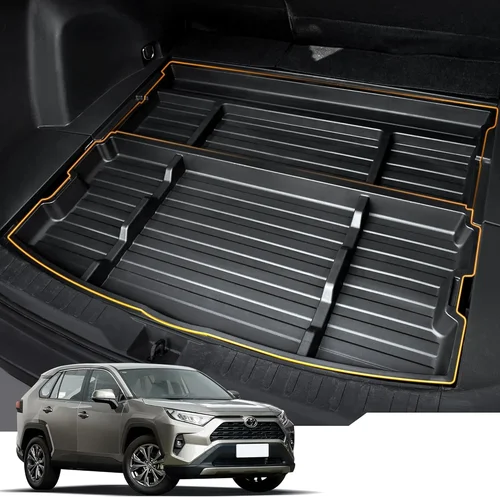
Cargo flexibility is also important. Look for fold-flat rear seats, underfloor storage, and hands-free liftgates. The Honda CR-V Hybrid, for example, features a low load floor and 60/40 split rear seats for versatile cargo configurations.
5. Technology, Infotainment, and Driver Assistance Features
Modern hybrid SUVs come packed with advanced tech, but not all systems are created equal. Prioritize intuitive infotainment, smartphone integration (Apple CarPlay and Android Auto), and reliable connectivity.
Most new hybrids include touchscreens ranging from 8 to 12 inches. Look for systems with responsive interfaces, clear graphics, and minimal lag. The Hyundai Santa Fe Hybrid, for instance, features a 10.25-inch display with split-screen functionality and wireless Apple CarPlay.
Safety is equally important. Nearly all new hybrids come standard with advanced driver assistance systems (ADAS) like adaptive cruise control, lane-keeping assist, automatic emergency braking, and blind-spot monitoring. The Toyota Safety Sense 3.0 suite, available on the RAV4 Hybrid, is one of the most comprehensive and reliable packages on the market.
6. Reliability, Build Quality, and Long-Term Durability
Hybrid systems add complexity, so reliability is a top concern. Brands like Toyota and Honda have a proven track record with hybrid technology, with models like the Prius and CR-V consistently ranking high in reliability studies.
Check J.D. Power, Consumer Reports, and Edmunds for reliability ratings. Look for models with strong powertrain warranties—many hybrids come with 8-year/100,000-mile battery coverage. Toyota, for example, offers a 10-year/150,000-mile hybrid battery warranty on some models.
Build quality matters too. Inspect interior materials, panel gaps, and switchgear during your test drive. A well-built SUV should feel solid and quiet on the road. Avoid models with excessive wind or road noise, which can indicate poor insulation or fitment.
7. Resale Value and Total Cost of Ownership
Hybrid SUVs often hold their value better than gas-only counterparts due to high demand and lower operating costs. The Toyota RAV4 Hybrid, for instance, retains over 60% of its value after three years, according to Kelley Blue Book.
Calculate the total cost of ownership, including fuel, maintenance, insurance, and depreciation. Hybrids typically have lower fuel costs but may have higher upfront prices and battery replacement risks down the line. However, with proper maintenance, hybrid batteries often last 10–15 years or more.
Use tools like Edmunds’ True Cost to Own or KBB’s 5-Year Cost to Own to compare models. Don’t forget to factor in tax incentives—some PHEVs qualify for federal or state rebates, which can save thousands.
8. Warranty, Maintenance, and Service Network
A strong warranty can provide peace of mind, especially with hybrid components. Most manufacturers offer comprehensive coverage: bumper-to-bumper warranties typically range from 3–5 years, while hybrid-specific components (battery, electric motor) are often covered for 8–10 years.
Toyota and Hyundai lead the pack with 10-year/150,000-mile hybrid battery warranties. Lexus offers a 6-year/70,000-mile basic warranty but includes complimentary maintenance for the first two years.
Consider the availability of certified service centers. If you live in a rural area, ensure there’s a dealer nearby with hybrid-trained technicians. Some brands, like Ford and GM, have limited hybrid service networks compared to Toyota or Honda.
Different Types of Hybrid SUVs

Common Buying Mistakes to Avoid
❌ Mistake: Focusing Only on Fuel Economy
Why it’s bad: While MPG is important, fixating solely on fuel efficiency can lead you to overlook other critical factors like reliability, safety, and comfort. A vehicle with high MPG but poor build quality or limited service network may cost more in the long run.
What to do instead: Use fuel economy as one of several key criteria. Compare total cost of ownership, including maintenance, insurance, and resale value. Test drive multiple models to assess overall driving experience.
❌ Mistake: Ignoring Charging Needs for PHEVs
Why it’s bad: Buying a plug-in hybrid without access to home or workplace charging defeats the purpose. You’ll end up using more gas and missing out on the electric-only range, reducing savings and environmental benefits.
What to do instead: Evaluate your charging options before committing. If you can’t charge regularly, a full hybrid may be a better fit. Consider installing a Level 2 charger if feasible.
❌ Mistake: Overlooking Warranty Coverage
Why it’s bad: Hybrid components, especially batteries, can be expensive to repair or replace. A weak warranty leaves you vulnerable to high out-of-pocket costs down the line.
What to do instead: Compare warranty terms across brands. Prioritize models with long hybrid-specific coverage. Ask dealers about extended warranty options and what’s included.
❌ Mistake: Skipping the Test Drive
Why it’s bad: Hybrids feel different from gas vehicles—quieter, smoother, and often more responsive at low speeds. Without a test drive, you might be surprised by the driving dynamics or disappointed by interior quality.
What to do instead: Always test drive in conditions similar to your daily routine—city streets, highways, hills. Pay attention to acceleration, braking, noise levels, and seat comfort.
❌ Mistake: Not Researching Incentives and Rebates
Why it’s bad: Many PHEVs qualify for federal tax credits, state rebates, or utility incentives that can save $2,000–$7,500. Missing out means paying more than necessary.
What to do instead: Check the IRS website for federal EV tax credits and your state’s energy office for local programs. Some dealers also offer hybrid-specific discounts or financing deals.
❌ Mistake: Choosing Based on Brand Loyalty Alone
Why it’s bad: While brand reputation matters, newer entrants like Hyundai and Kia now offer competitive hybrids with better features and warranties than some legacy brands.
What to do instead: Stay open-minded. Compare models across brands using objective criteria like reliability ratings, features, and value. Don’t let past experiences cloud your judgment.
❌ Mistake: Neglecting Long-Term Maintenance Costs
Why it’s bad: Hybrids require specialized service, and not all mechanics are trained to work on them. Ignoring maintenance needs can lead to costly repairs or reduced battery life.
What to do instead: Research service availability in your area. Choose brands with strong dealer networks and hybrid expertise. Follow the manufacturer’s maintenance schedule religiously.
Budget Guidelines: How Much Should You Spend?
– Entry-Level ($25,000 – $35,000): This tier includes compact hybrids like the Toyota Corolla Cross Hybrid and Honda HR-V Hybrid. Expect solid fuel economy (35–40 MPG), basic infotainment, and standard safety features. Build quality is good, but materials may feel budget-oriented. Ideal for first-time buyers or those prioritizing affordability.
– Mid-Range ($35,000 – $50,000): The sweet spot for most buyers. Models like the Toyota RAV4 Hybrid, Honda CR-V Hybrid, and Hyundai Tucson Hybrid offer excellent value with strong reliability, spacious interiors, and advanced tech. Many include all-wheel drive, premium audio, and comprehensive ADAS suites. This range balances cost, features, and long-term value.
– Premium ($50,000 – $70,000): For enthusiasts and professionals seeking more power, luxury, and capability. The Lexus NX 450h+, Ford Explorer Hybrid, and Kia Sorento PHEV fall here. Expect upscale interiors, larger screens, enhanced performance, and optional third-row seating. These models often include hybrid-specific driving modes and faster charging.
– Luxury ($70,000+): Top-tier models like the BMW X5 xDrive45e, Mercedes-Benz GLE 550e, and Audi Q5 TFSI e offer cutting-edge technology, handcrafted interiors, and refined driving dynamics. While expensive, they deliver prestige, performance, and the latest in hybrid innovation. Best for buyers who want the best of everything.

Expert Tips for Getting the Best Deal
– Buy at the Right Time: End of the month, quarter, or year is ideal. Dealers are more likely to negotiate to meet sales targets. Also, look for holiday sales events like Memorial Day or Black Friday.
– Compare Multiple Dealers: Get quotes from at least three dealerships. Use online tools like TrueCar or Edmunds to see what others are paying in your area. This gives you leverage during negotiations.
– Leverage Incentives: Ask about manufacturer rebates, loyalty discounts, and military or first-responder programs. Some brands offer special financing rates for hybrids.
– Negotiate the Out-the-Door Price: Focus on the total price, not monthly payments. This prevents dealers from hiding fees or extending loan terms to reduce monthly costs.
– Check for Trade-In Value: Use KBB or Edmunds to estimate your current vehicle’s value. Dealers may lowball trade-ins, so know your worth before negotiating.
– Test Drive Multiple Models: Don’t settle for the first one you like. Compare driving feel, noise levels, and tech usability across brands.
– Read the Fine Print: Understand warranty terms, return policies, and maintenance requirements. Some hybrids require specific fluids or service intervals.
– Consider Leasing: If you want lower monthly payments and plan to upgrade in 3–4 years, leasing a hybrid can be cost-effective. Just be aware of mileage limits and wear-and-tear fees.

Frequently Asked Questions
Q: Are hybrid SUVs reliable long-term?
A: Yes, especially models from Toyota, Honda, and Hyundai. Hybrid systems have proven durable, with many batteries lasting 10–15 years or more. Regular maintenance and avoiding extreme temperatures can extend battery life.
Q: Can I tow with a hybrid SUV?
A: Absolutely. Many hybrids, like the Toyota Highlander Hybrid and Ford Explorer Hybrid, offer towing capacities of 3,500–5,000 pounds. Check the manufacturer’s towing specs and consider a tow package for optimal performance.
Q: Do hybrid SUVs require special maintenance?
A: Not significantly. Routine maintenance is similar to gas vehicles—oil changes, tire rotations, brake inspections. However, hybrid-specific components like the battery and inverter should be checked by trained technicians.
Q: What happens if the hybrid battery dies?
A: Most batteries are covered under warranty for 8–10 years. If it fails outside warranty, replacement costs range from $2,000 to $8,000, depending on the model. However, many batteries outlast the vehicle’s lifespan.
Q: Are hybrid SUVs safe in accidents?
A: Yes. Modern hybrids are designed with safety in mind. High-voltage systems automatically shut off in a crash, and all major models earn top safety ratings from the IIHS and NHTSA.
Q: Can I drive a PHEV without charging it?
A: Yes, but you’ll lose the electric-only benefits and may see reduced fuel economy. It will function like a full hybrid, but the larger battery adds weight, which can hurt efficiency.
Q: Are hybrid SUVs good for long road trips?
A: Definitely. With excellent fuel economy and long driving ranges, hybrids are ideal for road trips. PHEVs can use gas when the battery is depleted, eliminating range anxiety.
Q: Do hybrid SUVs hold their value?
A: Generally, yes. Hybrids, especially from reliable brands, depreciate slower than gas-only SUVs due to high demand and lower operating costs.
Q: Can I install a home charger for a PHEV?
A: Yes. A Level 2 charger (240V) can be installed by a licensed electrician. Costs range from $500 to $1,500, but many states offer rebates to offset the expense.
Q: Are there tax incentives for hybrid SUVs?
A: Federal tax credits are available for qualifying PHEVs, up to $7,500. Some states offer additional rebates. Check the IRS and your state’s energy website for current programs.
Our Final Recommendations
– Best for Budget-Conscious Buyers: Toyota Corolla Cross Hybrid – Starting around $28,000, it delivers excellent fuel economy (45 MPG combined), Toyota reliability, and a comfortable ride. Perfect for city driving and small families.
– Best Overall Value: Toyota RAV4 Hybrid – With over 40 MPG, standard AWD, spacious interior, and top safety ratings, it’s the benchmark in the segment. Reliable, practical, and packed with features.
– Best Premium Option: Lexus NX 450h+ – A luxury PHEV with 37 miles of electric range, upscale materials, and cutting-edge tech. Ideal for those who want efficiency without sacrificing refinement.
– Best for Beginners: Honda CR-V Hybrid – User-friendly infotainment, intuitive controls, and a smooth ride make it perfect for first-time hybrid buyers. Excellent safety scores and strong resale value.
– Best for Advanced Users: Hyundai Santa Fe Plug-In Hybrid – Offers 31 miles of electric range, a 12.3-inch digital cluster, and advanced driver aids. Great for tech-savvy drivers who want versatility and innovation.
Conclusion: Making the Right Choice
Choosing the best hybrid SUV isn’t just about fuel economy or price—it’s about finding a vehicle that aligns with your lifestyle, values, and long-term goals. Whether you prioritize efficiency, space, technology, or luxury, the hybrid SUV market offers something for everyone. By considering factors like powertrain type, charging needs, reliability, and total cost of ownership, you can avoid common pitfalls and make a confident decision.
Remember, the “best” hybrid SUV is the one that fits your unique needs. Take your time, do your research, test drive multiple models, and don’t hesitate to ask questions. With the insights from this guide, you’re well-equipped to navigate the options and drive away in a vehicle that’s smart, sustainable, and built to last.
Now’s the time to make the switch. The future of driving is hybrid—and it’s closer than you think.