
The hybrid SUV market in 2026 is more dynamic, competitive, and technologically advanced than ever before. With rising fuel costs, increasing environmental awareness, and stricter emissions regulations, automakers have responded with a wave of innovative hybrid SUVs that blend efficiency, performance, and versatility. Whether you’re a family looking for a spacious, fuel-efficient vehicle for weekend adventures or a professional seeking a refined daily driver with low running costs, the 2026 hybrid SUV lineup offers something for nearly every lifestyle and budget. This comprehensive buying guide is designed to cut through the noise and help you make a confident, informed decision—no matter your priorities.
In this guide, you’ll learn how to evaluate hybrid SUVs based on real-world performance, long-term value, and ownership experience. We’ll break down the most important factors to consider, from fuel economy and powertrain types to interior quality and advanced driver-assistance systems. You’ll also discover the different categories of hybrid SUVs available, common pitfalls to avoid, and expert strategies for getting the best deal. By the end, you’ll have a clear roadmap to choosing the right hybrid SUV that fits your needs, budget, and driving habits—without overspending or compromising on what matters most.
What to Look for When Buying a Hybrid SUV
1. Fuel Efficiency and Real-World MPG
Fuel economy is often the primary reason buyers choose a hybrid SUV. But it’s not just about the EPA-estimated numbers—real-world performance can vary significantly based on driving conditions, climate, and driving style. Look for models that consistently deliver close to their advertised MPG in mixed city and highway driving. For example, some plug-in hybrids (PHEVs) may offer 30–50 miles of electric-only range, which can drastically reduce fuel consumption if you charge regularly. However, if you rarely plug in, a traditional hybrid like the Toyota RAV4 Hybrid might be more practical. Always check independent reviews and owner forums to see how actual drivers report their fuel economy.
2. Powertrain Type: Hybrid vs. Plug-in Hybrid vs. Mild Hybrid
Not all hybrid systems are created equal. Understanding the differences is crucial. Full hybrids (like the Honda CR-V Hybrid) can run on electric power alone at low speeds and recharge their batteries through regenerative braking. Plug-in hybrids (PHEVs) have larger batteries that can be charged externally, offering 20–50 miles of electric-only driving—ideal for short commutes. Mild hybrids, such as those in some Ford and Hyundai models, use a small electric motor to assist the gasoline engine but cannot drive on electricity alone. Each type has trade-offs: PHEVs offer the best efficiency if you charge often, but they’re heavier and more expensive. Full hybrids strike a balance, while mild hybrids offer modest fuel savings at a lower price.
3. Driving Performance and Handling
A hybrid SUV should feel responsive and confident on the road. Look for models with smooth acceleration, minimal lag, and well-tuned suspension. Some hybrids, like the Lexus NX 450h+, deliver impressive power—over 300 horsepower—while maintaining excellent efficiency. Others prioritize comfort over sportiness. Test drive multiple models to assess how they handle curves, highway merges, and stop-and-go traffic. Pay attention to brake feel, especially in hybrids with regenerative braking, which can sometimes feel less intuitive than traditional systems. Also consider towing capacity if you plan to haul trailers or boats—some hybrids, like the Ford Explorer Hybrid, can tow up to 5,000 pounds.
4. Interior Space and Cargo Capacity
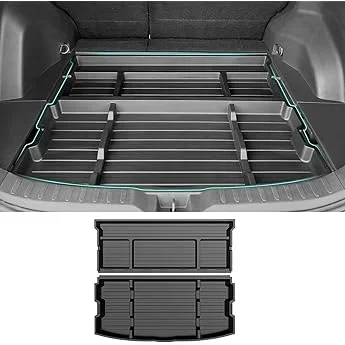
One of the main reasons people choose SUVs is for their spacious interiors and cargo versatility. Evaluate legroom, headroom, and seat comfort for all passengers, especially in the third row if you need it. Cargo space is equally important—check both behind the rear seats and with them folded down. For example, the Hyundai Santa Fe Hybrid offers up to 79.6 cubic feet of cargo space, while the smaller Mazda CX-50 Hybrid maxes out around 56 cubic feet. Consider features like flat-folding seats, hands-free power liftgates, and under-floor storage. Families should also look at rear-seat amenities like USB ports, climate controls, and entertainment systems.
5. Technology and Infotainment
Modern hybrid SUVs come loaded with tech, but not all systems are user-friendly. Prioritize intuitive interfaces, responsive touchscreens, and seamless smartphone integration (Apple CarPlay and Android Auto). Look for wireless connectivity, over-the-air updates, and voice command capabilities. Advanced features like digital instrument clusters, head-up displays, and augmented reality navigation are becoming more common in premium models. Also consider audio quality—some brands, like Lexus and Genesis, partner with premium sound systems (Mark Levinson, Lexicon) for a superior listening experience. Avoid systems that are overly complex or laggy, as they can be frustrating during daily use.
6. Safety Features and Ratings
Safety should be non-negotiable. All 2026 hybrid SUVs should come standard with advanced driver-assistance systems (ADAS) like automatic emergency braking, lane-keeping assist, adaptive cruise control, and blind-spot monitoring. Check the latest ratings from the National Highway Traffic Safety Administration (NHTSA) and the Insurance Institute for Highway Safety (IIHS). Top safety picks often include additional features like rear cross-traffic alert, night vision, and driver drowsiness monitoring. Some models, like the Volvo XC60 Recharge, go further with built-in air quality sensors and run-off-road protection. Always verify that safety tech is standard, not optional.
7. Reliability and Long-Term Ownership Costs
Hybrid systems are complex, so reliability is a key concern. Brands like Toyota and Honda have a proven track record with hybrid technology, with many models exceeding 200,000 miles with minimal issues. Research long-term reliability reports from sources like J.D. Power, Consumer Reports, and RepairPal. Also consider maintenance costs—hybrids may have higher repair bills for battery or inverter issues, though many come with extended hybrid component warranties (often 8–10 years or 100,000 miles). Factor in insurance costs, which can be higher for PHEVs due to their advanced tech and higher repair complexity.
8. Charging Infrastructure and Home Charging (for PHEVs)
If you’re considering a plug-in hybrid, access to charging is critical. PHEVs require regular charging to maximize their electric range and fuel savings. Assess your home setup—can you install a Level 2 charger in your garage or driveway? Public charging availability in your area also matters for longer trips. Some PHEVs, like the Kia Sorento PHEV, support fast charging, allowing you to top up in under an hour at compatible stations. If you live in an apartment or lack home charging, a traditional hybrid may be a more practical choice.
Different Types of Hybrid SUVs

Common Buying Mistakes to Avoid
❌ Mistake: Focusing Only on Fuel Economy
Why it’s bad: While MPG is important, prioritizing it above all else can lead to compromises in comfort, safety, or reliability. A vehicle that saves you $200 a year on gas but costs $1,500 more in repairs over five years isn’t a good deal.
What to do instead: Balance fuel efficiency with total cost of ownership, including maintenance, insurance, and depreciation. Use tools like Edmunds’ True Cost to Own to compare long-term expenses.
❌ Mistake: Ignoring Real-World Charging Needs (for PHEVs)
Why it’s bad: Buying a plug-in hybrid without reliable access to charging defeats its purpose. You’ll end up using mostly gasoline, losing the efficiency benefits and potentially straining the engine.
What to do instead: Assess your daily driving distance and charging options. If you can’t charge regularly, opt for a full hybrid instead.
❌ Mistake: Overlooking Warranty Coverage
Why it’s bad: Hybrid components like batteries and inverters can be expensive to repair. A limited warranty could leave you with thousands in unexpected costs.
What to do instead: Choose models with strong hybrid-specific warranties. Toyota, for example, offers 10 years/150,000 miles on hybrid components. Always read the fine print.
❌ Mistake: Skipping the Test Drive
Why it’s bad: Hybrids can feel very different from traditional vehicles—especially in terms of acceleration, braking, and noise levels. What looks good on paper might not feel right in practice.
What to do instead: Test drive at least two or three models in your price range. Pay attention to how the vehicle responds in city traffic, on highways, and during parking.
❌ Mistake: Not Researching Incentives and Rebates
Why it’s bad: Federal, state, and local incentives can save you thousands—especially on PHEVs. Missing out means paying more than necessary.
What to do instead: Check the IRS website for federal tax credits and your state’s energy office for additional rebates. Some utilities also offer charging equipment discounts.
❌ Mistake: Choosing Based on Brand Loyalty Alone
Why it’s bad: Just because you’ve always bought a certain brand doesn’t mean it offers the best hybrid SUV for your needs in 2026. New entrants and redesigned models may outperform legacy favorites.
What to do instead: Stay open-minded. Compare specs, reviews, and ownership costs across brands. Sometimes a lesser-known model offers better value.
❌ Mistake: Neglecting Resale Value
Why it’s bad: Some hybrids depreciate faster than others, especially if battery technology advances rapidly. You could lose significant value when it’s time to trade in.
What to do instead: Research resale values using Kelley Blue Book or Edmunds. Toyota and Lexus hybrids typically hold their value well due to reliability and demand.
Budget Guidelines: How Much Should You Spend?
Entry-Level ($28,000 – $35,000): This tier includes compact hybrids like the Hyundai Tucson Hybrid and Kia Sportage Hybrid. You’ll get solid fuel economy (35–38 MPG combined), basic safety features, and decent tech, but materials and ride quality may feel budget-oriented. Ideal for first-time buyers or those prioritizing affordability.
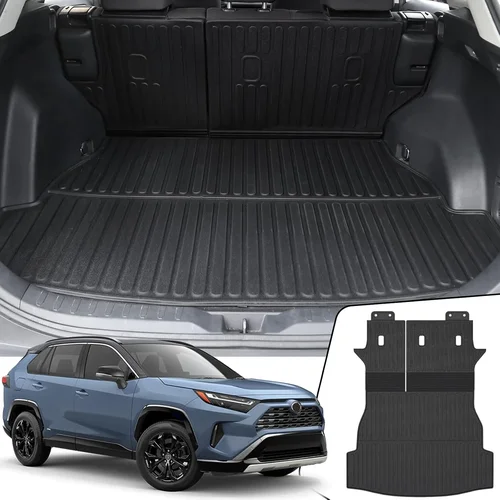
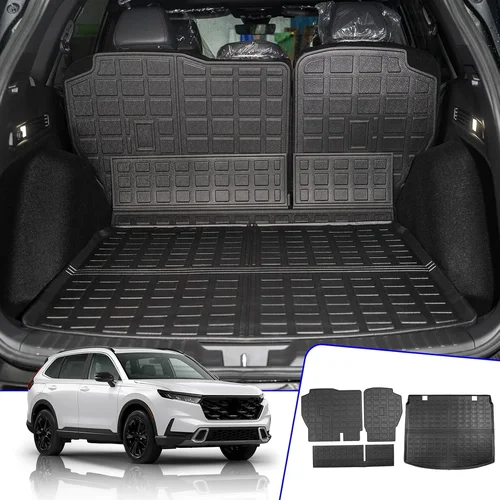
Mid-Range ($35,000 – $50,000): The sweet spot for most buyers. Models like the Toyota RAV4 Hybrid, Honda CR-V Hybrid, and Ford Escape Hybrid offer excellent reliability, strong performance, and well-equipped interiors. You’ll find advanced safety suites, better infotainment, and more refined driving dynamics. This range balances value, features, and long-term satisfaction.
Premium ($50,000 – $70,000): For buyers who want more power, luxury, and technology. The Lexus NX 450h+, Acura MDX Hybrid, and Mazda CX-90 PHEV fall here. Expect premium materials, quieter cabins, stronger engines, and cutting-edge features like adaptive suspension and augmented reality displays. These are great for families wanting comfort and performance.
Luxury ($70,000+): The top tier includes models like the Volvo XC90 Recharge, Genesis GV80 Hybrid, and BMW X5 xDrive45e. These vehicles offer near-silent operation, opulent interiors, and the latest in autonomous driving tech. They’re ideal for executives, tech enthusiasts, or anyone who values prestige and innovation—though they come with higher maintenance and insurance costs.
Expert Tips for Getting the Best Deal
1. Time Your Purchase Strategically: The best deals often come at the end of the model year (August–October) or during holiday sales events. Dealers are more willing to negotiate to meet quotas.
2. Compare Multiple Dealers: Use online tools like TrueCar or Edmunds to see what others in your area are paying. This gives you leverage during negotiations.
3. Consider Certified Pre-Owned (CPO): A CPO hybrid SUV can save you 15–20% off a new model while still offering warranty coverage and rigorous inspections. Toyota and Honda CPO programs are especially reliable.
4. Negotiate the Out-the-Door Price: Focus on the total price, not monthly payments. Dealers can manipulate loan terms to hide higher costs.
5. Ask About Incentives: Always inquire about manufacturer rebates, loyalty bonuses, and military or first-responder discounts. These can add up to thousands in savings.
6. Check for Trade-In Value: Use Kelley Blue Book or Carvana to get an estimate of your current vehicle’s value before visiting the dealer.
7. Read the Fine Print on Leases: If leasing, understand mileage limits, wear-and-tear fees, and early termination costs. Hybrids often have higher residual values, making them good lease candidates.
8. Test Drive in Real Conditions: Don’t just drive around the block. Take the vehicle on highways, hills, and stop-and-go traffic to see how it performs in your typical driving environment.

Frequently Asked Questions
Q: Are hybrid SUVs worth the extra cost?
A: It depends on your driving habits and budget. If you drive a lot, especially in stop-and-go traffic, the fuel savings can offset the higher upfront cost within a few years. For low-mileage drivers, the payback period may be longer. Use a cost calculator to compare total ownership expenses.
Q: How long do hybrid batteries last?
A: Most hybrid batteries last 10–15 years or 150,000–200,000 miles. Many manufacturers offer 8–10 year warranties. Degradation is usually gradual, and modern batteries are highly reliable.
Q: Can I drive a hybrid SUV in cold weather?
A: Yes, but cold temperatures can reduce battery efficiency and electric range, especially in PHEVs. Preconditioning the cabin while plugged in can help. Full hybrids are less affected since they rely more on the gasoline engine in cold starts.
Q: Do hybrid SUVs require special maintenance?
A: Not really. Routine maintenance is similar to gas vehicles—oil changes, tire rotations, brake inspections. However, hybrid-specific components like inverters and batteries may need specialized service, so choose a dealer with hybrid expertise.
Q: Are hybrid SUVs safe in accidents?
A: Yes. Hybrid SUVs undergo the same rigorous safety testing as conventional vehicles. In fact, many score top marks in crash tests. The high-voltage system is designed to shut off automatically in a collision.
Q: Can I tow with a hybrid SUV?
A: Some can. Models like the Ford Explorer Hybrid and Toyota Highlander Hybrid offer towing capacities up to 5,000 pounds. Check the manufacturer’s towing guidelines and consider a transmission cooler for heavy loads.
Q: What happens if the hybrid battery dies?
A: In most cases, the vehicle will switch to gasoline-only mode, though performance may be reduced. The battery can often be reconditioned or replaced, but costs vary. Warranty coverage typically protects against early failure.
Q: Are there tax incentives for hybrid SUVs in 2026?
A: Federal tax credits are available for qualifying PHEVs and EVs, but not for traditional hybrids. The amount depends on battery size and manufacturer. Check the latest IRS guidelines, as incentives can change.
Q: How do I charge a plug-in hybrid at home?
A: You can use a standard 120V outlet (Level 1), but charging is slow (8–12 hours). A 240V Level 2 charger cuts this to 2–4 hours and is recommended for daily use. Installation costs $500–$1,500, but rebates may be available.
Q: Can I install solar panels to charge my hybrid SUV?
A: Yes, and it’s a great way to maximize sustainability. A home solar system can offset the electricity used for charging, potentially making your PHEV nearly carbon-neutral. Consult a solar installer to assess your home’s suitability.
Our Final Recommendations
Best for Budget-Conscious Buyers: Toyota RAV4 Hybrid – With a starting price around $33,000, excellent fuel economy (40 MPG combined), and legendary reliability, the RAV4 Hybrid is the gold standard for value. It’s spacious, safe, and holds its value better than most.
Best Overall Value: Honda CR-V Hybrid – Slightly more refined than the RAV4, with a smoother ride, better interior materials, and equally strong efficiency. The CR-V Hybrid offers a perfect blend of practicality, comfort, and long-term dependability.
Best Premium Option: Lexus NX 450h+ – This plug-in hybrid delivers over 300 horsepower, 37 miles of electric range, and a luxurious cabin. It’s ideal for buyers who want performance, efficiency, and prestige without going full luxury.
Best for Beginners: Hyundai Tucson Hybrid – Priced under $35,000, the Tucson Hybrid offers a user-friendly infotainment system, strong warranty, and a comfortable ride. It’s a great entry point for first-time hybrid buyers.
Best for Advanced Users: Volvo XC90 Recharge – With cutting-edge safety tech, a minimalist Scandinavian interior, and up to 35 miles of electric range, the XC90 Recharge is perfect for tech-savvy, safety-conscious families who want a premium experience.
Conclusion: Making the Right Choice
Choosing the best hybrid SUV in 2026 doesn’t have to be overwhelming. By focusing on your priorities—whether that’s fuel efficiency, space, technology, or long-term value—you can narrow down the options and find a vehicle that truly fits your lifestyle. Remember to consider not just the sticker price, but also ownership costs, reliability, and real-world performance. Test drive multiple models, research incentives, and don’t rush the decision.
Hybrid SUVs represent a smart, forward-thinking choice for today’s drivers. They offer the versatility of an SUV with the efficiency of electric power, all while reducing your environmental footprint. Whether you’re commuting downtown, road-tripping with the family, or simply looking to save at the pump, there’s a hybrid SUV out there that’s perfect for you. Take your time, do your homework, and drive away with confidence—knowing you’ve made a decision that’s good for your wallet, your family, and the planet.