
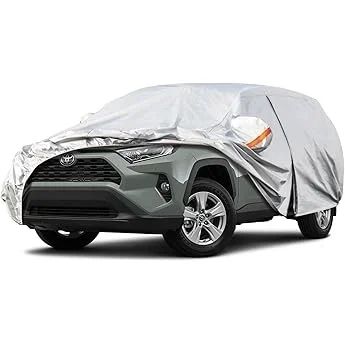
The SUV market in 2025 is more dynamic, competitive, and technologically advanced than ever before. With automakers pushing the boundaries of electrification, safety, connectivity, and performance, choosing the right SUV can feel overwhelming—even for seasoned car buyers. Whether you’re a family looking for a spacious, safe vehicle for weekend adventures, a professional seeking a refined daily driver, or an outdoor enthusiast needing rugged capability, the 2025 SUV lineup offers something for nearly every lifestyle and budget. This comprehensive buying guide is designed to cut through the noise, eliminate confusion, and help you make a confident, informed decision.
In this guide, you’ll learn how to evaluate the most important factors when shopping for a 2025 SUV—from performance and fuel efficiency to interior comfort, tech features, and long-term reliability. We’ll break down the different types of SUVs available, highlight common pitfalls to avoid, and provide expert-backed recommendations tailored to various needs and budgets. By the end, you’ll have a clear roadmap to finding the SUV that not only meets your current needs but also stands the test of time. The 2025 model year brings exciting developments: hybrid and electric powertrains are now mainstream, driver-assistance systems are more intelligent, and interiors are increasingly luxurious and user-friendly. With so many options, knowing what to prioritize is key.
What to Look for When Buying Buying Guide
1. Budget & Price Range
Your budget is the foundation of your SUV purchase decision. In 2025, SUVs span a wide price spectrum—from under $25,000 for compact models to over $100,000 for luxury and performance variants. Start by determining your total budget, including not just the purchase price but also taxes, registration, insurance, and potential financing costs. A common rule of thumb is to keep your vehicle payment under 15% of your monthly take-home pay. Don’t forget to factor in long-term expenses like fuel, maintenance, and depreciation.
When setting your budget, consider whether you’re buying new or used. New 2025 models offer the latest tech, full warranties, and peace of mind, but they depreciate quickly—often losing 20–30% of their value in the first year. Certified pre-owned (CPO) vehicles can offer significant savings while still providing warranty coverage and rigorous inspections. Be realistic about what you can afford, and avoid stretching your finances too thin—this can lead to stress and compromise in other areas of your life.
2. Performance Specifications
Performance isn’t just about speed—it’s about how well the SUV handles your daily driving needs. Key specs to evaluate include engine type (gasoline, hybrid, plug-in hybrid, or fully electric), horsepower, torque, towing capacity, and drivetrain (front-wheel drive, all-wheel drive, or four-wheel drive). For city driving, a smaller turbocharged engine or hybrid system may offer the best balance of power and efficiency. If you frequently tow trailers, boats, or campers, look for models with at least 5,000 pounds of towing capacity.
Electric SUVs are gaining traction in 2025, with improved range—many now exceeding 300 miles on a single charge—and faster charging capabilities. However, consider your access to charging infrastructure. If you live in an area with limited public chargers or take long road trips often, a hybrid or traditional gasoline engine might be more practical. Also, test drive different models to assess acceleration, braking, and handling. A smooth, responsive ride can make a big difference in daily comfort.
3. Fuel Efficiency & Environmental Impact
With rising fuel prices and growing environmental awareness, fuel efficiency is a top concern for many buyers. In 2025, the average SUV achieves around 25–30 MPG combined, but hybrids and electrics can far exceed that. For example, the Toyota RAV4 Hybrid delivers over 40 MPG, while the Ford Mustang Mach-E and Hyundai Ioniq 5 offer electric ranges of 250–320 miles. Consider your annual mileage: if you drive more than 15,000 miles per year, a fuel-efficient or electric model could save you thousands over time.
Beyond MPG, think about your carbon footprint. Electric and hybrid SUVs produce fewer emissions, especially if charged with renewable energy. Some states and countries also offer tax incentives, rebates, or HOV lane access for eco-friendly vehicles. However, battery production and disposal have environmental costs, so weigh the full lifecycle impact. If sustainability is a priority, look for brands with strong environmental commitments and transparent supply chains.
4. Interior Space & Cargo Capacity
One of the main reasons people choose SUVs is for their spacious interiors and versatile cargo areas. Evaluate passenger space, especially in the second and third rows if you have a large family or frequently transport passengers. Legroom, headroom, and seat comfort are crucial for long trips. Cargo volume matters too—check both behind the rear seats and with seats folded down. For example, the Honda CR-V offers 39.2 cubic feet behind the second row and 75.8 with seats folded, making it ideal for hauling gear.
Consider practical features like fold-flat seats, adjustable cargo floors, underfloor storage, and roof rails. If you have young children, look for easy-to-clean upholstery, rear-seat climate controls, and built-in entertainment systems. For pet owners, features like rear air vents, non-slip flooring, and pet barriers can be lifesavers. Test the ease of entry and exit, especially for elderly passengers or those with mobility challenges.
5. Safety Ratings & Driver-Assistance Tech
Safety should never be compromised. In 2025, all new SUVs come with advanced driver-assistance systems (ADAS), but the quality and effectiveness vary. Look for models with top ratings from the National Highway Traffic Safety Administration (NHTSA) and the Insurance Institute for Highway Safety (IIHS). Features like automatic emergency braking, blind-spot monitoring, lane-keeping assist, adaptive cruise control, and rear cross-traffic alert are now standard on most trims.
Some brands go further with innovations like night vision, driver attention monitoring, and 360-degree cameras. For families, rear-seat reminders and child safety locks are essential. Electric SUVs often have lower centers of gravity due to floor-mounted batteries, improving rollover resistance. Always check for active safety tech, not just passive features like airbags. A well-rounded safety suite can prevent accidents and reduce insurance premiums.
6. Technology & Infotainment
Modern SUVs are rolling tech hubs. The infotainment system is your central command for navigation, music, calls, and vehicle settings. Look for intuitive interfaces, responsive touchscreens (ideally 10 inches or larger), and compatibility with Apple CarPlay and Android Auto. Wireless connectivity is becoming standard in 2025, reducing cable clutter. Voice control should be accurate and support natural language commands.
Beyond entertainment, consider connected services like remote start, vehicle tracking, over-the-air updates, and emergency assistance. Some brands offer apps that let you check battery level, pre-condition the cabin, or locate your parked car. For tech enthusiasts, features like augmented reality navigation, head-up displays, and premium audio systems (e.g., Bose, Harman Kardon, or Bang & Olufsen) add significant value. However, avoid overpaying for features you won’t use—simplicity often enhances usability.
7. Reliability & Long-Term Ownership Costs
A reliable SUV saves you money and stress over time. Research reliability ratings from sources like J.D. Power, Consumer Reports, and Edmunds. Brands like Toyota, Lexus, and Honda consistently rank high for dependability. Check predicted maintenance costs, frequency of repairs, and availability of service centers. Some manufacturers offer complimentary maintenance for the first few years, which can be a big perk.
Depreciation is another hidden cost. Luxury SUVs often lose value faster than mainstream models. For example, a BMW X5 may depreciate 50% in five years, while a Toyota Highlander holds its value better. Consider total cost of ownership (TCO), which includes fuel, insurance, repairs, and resale value. Tools like Kelley Blue Book’s 5-Year Cost to Own can help compare models. A slightly higher upfront cost may pay off in lower long-term expenses.
8. Brand Reputation & Dealer Support
The brand you choose affects everything from build quality to customer service. Established automakers like Toyota, Ford, and Subaru have decades of experience and widespread dealer networks, making repairs and parts easy to find. Luxury brands like Mercedes-Benz, Audi, and Genesis offer premium materials and cutting-edge tech but may come with higher maintenance costs.
Research customer satisfaction and dealer service ratings. A brand with a strong reputation for support can make ownership smoother. Read owner forums and reviews to learn about common issues, recall history, and how responsive the manufacturer is to problems. Some brands offer better warranties or roadside assistance programs. For example, Hyundai and Kia provide 10-year/100,000-mile powertrain warranties, which can be a deciding factor.
Different Types of Buying Guide

Common Buying Mistakes to Avoid
❌ Mistake: Focusing Only on Monthly Payments
Why it’s bad: Dealers may stretch loan terms to lower monthly payments, but this increases total interest paid and can leave you owing more than the car is worth (negative equity). You could end up paying $10,000+ extra over the life of the loan.
What to do instead: Calculate the total cost of ownership, including interest, and aim for a loan term of 60 months or less. Use online calculators to compare scenarios and negotiate based on the out-the-door price, not just the payment.
❌ Mistake: Ignoring Test Drives
Why it’s bad: Photos and specs don’t reveal how a car feels on the road. A vehicle that looks great online might have poor visibility, uncomfortable seats, or a harsh ride—dealbreakers you won’t discover until it’s too late.
What to do instead: Always test drive multiple models in real-world conditions—city streets, highways, and rough roads. Bring your family, load cargo, and test all features. Take your time and don’t feel pressured to decide on the spot.
❌ Mistake: Overlooking Resale Value
Why it’s bad: Some SUVs depreciate rapidly, meaning you’ll get far less when you sell or trade in. This can cost you thousands, especially if you plan to upgrade in a few years.
What to do instead: Research resale values using tools like Kelley Blue Book or Edmunds. Choose models with strong historical retention, such as Toyota RAV4, Honda CR-V, or Subaru Outback. Avoid heavily discounted or niche models unless you plan to keep them long-term.
❌ Mistake: Skipping the Fine Print on Warranties
Why it’s bad: Not all warranties are created equal. Some cover only powertrain, while others include bumper-to-bumper protection. Extended warranties can be overpriced and unnecessary.
What to do instead: Read the warranty details carefully. Understand what’s covered, for how long, and any exclusions. Compare manufacturer warranties and consider third-party options only if they offer real value. For most buyers, the standard factory warranty is sufficient.
❌ Mistake: Buying Based on Looks Alone
Why it’s bad: A stylish SUV may have poor reliability, high maintenance costs, or impractical features. Prioritizing aesthetics over function can lead to regret and frustration.
What to do instead: Balance style with substance. Choose a design you love, but ensure it meets your practical needs—space, safety, efficiency, and comfort. Remember, you’ll be living with this vehicle daily.
❌ Mistake: Not Researching Insurance Costs
Why it’s bad: Insurance can vary dramatically between models. High-performance or luxury SUVs often come with steep premiums, adding hundreds to your annual expenses.
What to do instead: Get insurance quotes for your top choices before buying. Factors like safety ratings, theft rates, and repair costs affect premiums. Choose a model with a good safety record and lower risk profile to save money.
❌ Mistake: Rushing the Decision
Why it’s bad: Impulse buying leads to overspending and buyer’s remorse. You might miss better deals, overlook flaws, or choose a vehicle that doesn’t fit your lifestyle.
What to do instead: Take your time. Create a shortlist, compare options, and sleep on big decisions. Wait for sales events like end-of-year clearances or new model year launches when discounts are common.
Budget Guidelines: How Much Should You Spend?
- Entry-Level ($25,000 – $35,000): Ideal for first-time buyers or those on a tight budget. Expect reliable compact SUVs like the Hyundai Tucson, Mazda CX-5, or Subaru Crosstrek. These offer good fuel economy, modern safety features, and decent tech, but may lack luxury finishes or powerful engines.
- Mid-Range ($35,000 – $55,000): The sweet spot for most buyers. Models like the Toyota RAV4, Honda CR-V, and Ford Escape offer excellent value, strong reliability, and a balance of space, performance, and features. Hybrid options are widely available in this range.
- Premium ($55,000 – $80,000): For those wanting more power, space, and refinement. Consider the Hyundai Palisade, Kia Telluride, or Ford Explorer. These SUVs offer three rows, premium interiors, advanced tech, and strong towing capacity.
- Luxury ($80,000+): Top-tier options like the Lexus RX, BMW X5, or Tesla Model Y Performance. These deliver cutting-edge technology, luxurious materials, superior ride quality, and brand prestige—but come with higher maintenance and insurance costs.
Expert Tips for Getting the Best Deal
- Time your purchase: The best deals often come at the end of the month, quarter, or year when dealers are trying to meet sales targets. New model year launches (typically August–October) also bring discounts on outgoing models.
- Shop online first: Use tools like TrueCar, Edmunds, or Kelley Blue Book to compare prices and see what others are paying in your area. This gives you leverage when negotiating.
- Negotiate the price, not the payment: Focus on the total out-the-door cost. Dealers may manipulate monthly payments by extending loan terms or adding fees.
- Consider certified pre-owned (CPO): CPO SUVs offer significant savings over new models while still providing warranty coverage and thorough inspections. Look for programs with at least a 12-month/12,000-mile warranty.
- Check for incentives: Manufacturers often offer rebates, low-interest financing, or lease deals. These can save you thousands—especially on electric or hybrid models eligible for federal or state tax credits.
- Read the contract carefully: Before signing, review all terms, including interest rate, loan term, fees, and any add-ons like extended warranties or paint protection. Don’t be pressured into extras you don’t need.
- Get pre-approved for financing: Secure a loan from your bank or credit union before visiting the dealership. This gives you a benchmark and prevents you from accepting a higher-rate dealer loan.
- Use trade-in value wisely: Research your current vehicle’s value using Kelley Blue Book or Edmunds. Negotiate the trade-in separately from the new car price to avoid confusion.

Frequently Asked Questions
Q: Should I buy a hybrid or fully electric SUV in 2025?
A: It depends on your driving habits and access to charging. Hybrids like the Toyota RAV4 Hybrid offer excellent fuel economy without range anxiety, making them ideal for most drivers. Fully electric SUVs like the Hyundai Ioniq 5 or Ford Mustang Mach-E are great if you have home charging and drive mostly locally. Consider your daily mileage, trip frequency, and local infrastructure before deciding.
Q: Are SUVs safe in accidents?
A: Yes, modern SUVs are among the safest vehicles on the road. Their higher ride height and weight provide advantages in collisions, and 2025 models come with advanced safety systems. However, older or smaller SUVs may not perform as well. Always check NHTSA and IIHS ratings for the specific model and year.
Q: Do SUVs cost more to insure?
A: Generally, yes—especially larger or luxury models. SUVs are often more expensive to repair and have higher theft rates. However, safety features can lower premiums. Shop around and compare quotes from multiple insurers to find the best rate.
Q: Can I tow with a compact SUV?
A: Some compact SUVs, like the Subaru Outback or Ford Escape, can tow up to 3,500 pounds with the right equipment. However, they’re not designed for heavy loads. If you plan to tow regularly, consider a midsize or full-size SUV with a V6 or turbocharged engine and towing package.
Q: How long do SUVs typically last?
A: With proper maintenance, most modern SUVs can last 150,000 to 200,000 miles or more. Brands like Toyota, Honda, and Subaru are known for longevity. Regular oil changes, tire rotations, and timely repairs are key to maximizing lifespan.
Q: Are electric SUVs reliable?
A: Early electric SUVs had some issues, but 2025 models from brands like Tesla, Hyundai, and Ford have proven reliable. Electric powertrains have fewer moving parts than gasoline engines, reducing wear and tear. However, battery degradation over time is a consideration—most warranties cover 8 years or 100,000 miles.
Q: Should I buy a 3-row SUV even if I don’t need it?
A: Only if you value the extra cargo space when seats are folded. 3-row SUVs are larger, less fuel-efficient, and more expensive. If you rarely carry more than four passengers, a midsize 2-row SUV like the Honda Passport or Toyota Highlander Hybrid may be a better fit.
Q: What’s the best time of year to buy an SUV?
A: Late summer and early fall (August–October) are ideal, as dealers clear out inventory for new models. End-of-year sales in December also offer strong incentives. Avoid buying in spring when demand is high and discounts are scarce.
Q: Can I negotiate the price of a new SUV?
A: Absolutely. Even with high demand, there’s usually room for negotiation—especially on higher trims or slow-selling models. Use online pricing tools, know the invoice price, and be prepared to walk away if the deal isn’t right.
Q: Are SUVs good for city driving?
A: Compact and subcompact SUVs like the Mazda CX-30 or Nissan Kicks are excellent for urban environments due to their maneuverability and parking ease. Larger SUVs can be challenging in tight spaces, so consider size and turning radius if you drive in the city often.
Our Final Recommendations
- Best for Budget-Conscious Buyers: Hyundai Tucson – Starting around $28,000, it offers a stylish design, strong warranty, and excellent fuel economy. The hybrid version boosts efficiency without a huge price jump.
- Best Overall Value: Toyota RAV4 Hybrid – Reliable, fuel-efficient, and packed with safety features. It’s a top seller for good reason—practical, dependable, and holds its value well.
- Best Premium Option: Genesis GV70 – A luxury SUV with a stunning interior, powerful engine options, and cutting-edge tech—all at a lower price than German rivals.
- Best for Beginners: Mazda CX-5 – Easy to drive, fun to handle, and beautifully designed. It’s a great entry point into the SUV world with minimal learning curve.
- Best for Advanced Users: Tesla Model Y – For tech-savvy drivers who want cutting-edge autonomy, over-the-air updates, and zero-emission driving. Ideal for those with home charging.
Conclusion: Making the Right Choice
Choosing the best 2025 SUV isn’t about finding the flashiest or most expensive model—it’s about finding the one that fits your life. By focusing on your budget, needs, and long-term goals, you can narrow down the options and make a decision you’ll be happy with for years to come. Remember to prioritize safety, reliability, and practicality over trends or marketing hype. Test drive multiple vehicles, read owner reviews, and don’t rush the process.
Every driver’s situation is unique. A family of five will have different priorities than a single professional or an outdoor adventurer. Use this guide as your compass, but trust your instincts. The right SUV will feel like an extension of your lifestyle—comfortable, capable, and confidence-inspiring. Whether you’re commuting to work, exploring national parks, or shuttling kids to soccer practice, your 2025 SUV should enhance every mile.
Take the time to research, compare, and reflect. And when you find the one that checks all your boxes, you’ll know it’s the right choice. Happy driving!