

When it comes to choosing a new vehicle in 2026, few decisions carry as much weight—or as many variables—as picking the right SUV. With rising fuel costs, growing environmental awareness, and an ever-expanding lineup of models hitting the market, today’s buyers are more discerning than ever. Whether you’re hauling kids to soccer practice, tackling weekend adventures off the beaten path, or simply commuting daily through city traffic, finding an SUV that balances space, safety, comfort, and—most critically—fuel efficiency is no small feat.
This comprehensive buying guide is designed to cut through the noise and help you make a smart, informed decision. We’ll walk you through everything from understanding how gas mileage is measured in modern SUVs to comparing hybrid, plug-in hybrid, and even mild-hybrid powertrains. You’ll learn what features truly matter, how to avoid common pitfalls, and where to find the best value for your budget. By the end, you’ll have a clear roadmap to identify the SUV that delivers not just on paper, but in real-world driving conditions.
The SUV market in 2026 is more diverse and competitive than ever. Automakers are responding to consumer demand for greener, smarter, and more efficient vehicles by packing their lineups with electrified options, advanced aerodynamics, and lightweight materials—all aimed at squeezing every last mile out of a gallon of gas. From compact crossovers that sip fuel like sedans to full-size family haulers that defy expectations with hybrid tech, there’s never been a better time to be a fuel-conscious SUV shopper. This guide will help you navigate that landscape with confidence.

What to Look for When Buying Buying Guide
1. Fuel Economy Ratings and Real-World Performance
Fuel economy is often the top priority for SUV shoppers in 2026, and for good reason. The EPA provides standardized ratings—city, highway, and combined MPG—but these numbers don’t always reflect real-world driving. Many factors, including driving habits, climate, terrain, and even tire pressure, can significantly impact actual fuel consumption. When evaluating an SUV’s efficiency, look beyond the window sticker. Check independent sources like Consumer Reports or Edmunds for real-world testing data. Also, consider whether the vehicle uses advanced technologies like cylinder deactivation, start-stop systems, or regenerative braking, which can boost mileage in everyday driving.
2. Powertrain Type: Gas, Hybrid, Plug-In Hybrid, or Mild Hybrid?
The type of engine and drivetrain your SUV uses plays a huge role in fuel efficiency. Traditional gasoline engines are improving but still lag behind electrified options. Full hybrids (like Toyota’s Hybrid Synergy Drive) offer excellent mileage without needing to be plugged in—ideal for drivers who want efficiency without range anxiety. Plug-in hybrids (PHEVs) provide electric-only driving for short commutes (typically 20–50 miles), then switch to hybrid mode for longer trips. Mild hybrids use a small electric motor to assist the gas engine, offering modest fuel savings but no all-electric range. Your lifestyle and driving patterns should dictate which powertrain makes sense. For example, if you drive mostly short distances and have home charging, a PHEV could slash your fuel costs dramatically.
3. Vehicle Size and Weight
It’s no secret that larger, heavier SUVs consume more fuel. However, modern engineering has narrowed the gap between compact and midsize models. A well-designed compact SUV like the 2026 Honda CR-V Hybrid can outperform a decade-old midsize gas-only SUV in both space and efficiency. That said, if you regularly carry seven passengers or tow heavy loads, a larger vehicle may be necessary—but look for models with turbocharged four-cylinder engines or hybrid systems that offset the weight penalty. Always consider your actual needs: do you really need three rows, or would a spacious two-row SUV suffice?
4. Aerodynamics and Design Efficiency
You might not think about drag coefficient when shopping for an SUV, but it matters—especially at highway speeds. Sleeker profiles, active grille shutters, underbody panels, and even roof spoilers are now common features designed to reduce air resistance. For example, the 2026 Mazda CX-50 uses wind-tunnel-tested shaping to achieve class-leading aerodynamics among compact SUVs. While this won’t make or break your decision, it’s a subtle but important factor in maximizing fuel economy, particularly for highway commuters.
5. Transmission and Drivetrain Technology
The transmission plays a critical role in how efficiently power is delivered to the wheels. Continuously variable transmissions (CVTs) are popular in fuel-efficient SUVs because they keep the engine in its optimal RPM range. Some newer models feature eight- or even ten-speed automatics with wide gear ratios for better highway cruising. All-wheel drive (AWD) adds weight and mechanical drag, which can reduce fuel economy by 1–3 MPG compared to front-wheel drive (FWD). If you live in a mild climate and don’t need AWD, opting for FWD can save you money at the pump—and often upfront, too.
6. Tire Selection and Rolling Resistance
Tires are one of the most overlooked aspects of fuel efficiency. Low-rolling-resistance tires are specifically engineered to reduce energy loss as they roll, improving MPG without sacrificing safety. Many efficient SUVs come standard with these tires, but they’re sometimes optional or replaced after purchase. Be cautious: switching to aggressive all-terrain or performance tires can erase fuel savings. Check the tire specifications before buying, and ask dealers if low-resistance tires are included. Also, maintaining proper tire pressure is a simple yet effective way to preserve mileage—underinflated tires increase rolling resistance and wear faster.
7. Infotainment and Driver Assistance Features
While not directly related to fuel economy, modern infotainment and driver-assist systems can indirectly influence efficiency. Features like adaptive cruise control with stop-and-go functionality, predictive energy management (which uses GPS data to optimize battery usage in hybrids), and eco-driving coaches help you drive more efficiently. Additionally, seamless smartphone integration (Apple CarPlay, Android Auto) reduces distraction, encouraging smoother, more fuel-efficient driving habits. Look for systems that are intuitive and responsive—clunky interfaces can lead to frustration and rushed decisions behind the wheel.
8. Resale Value and Long-Term Cost of Ownership
Fuel economy isn’t just about monthly gas bills—it’s part of the total cost of ownership. SUVs with strong fuel efficiency often retain higher resale values, especially as gas prices fluctuate. Brands like Toyota, Honda, and Subaru consistently rank high in reliability and depreciation metrics. Use tools like Kelley Blue Book’s 5-Year Cost to Own analysis to compare models. Remember: a slightly higher purchase price might be justified if the vehicle saves you thousands in fuel and maintenance over time.
Different Types of Buying Guide

Common Buying Mistakes to Avoid
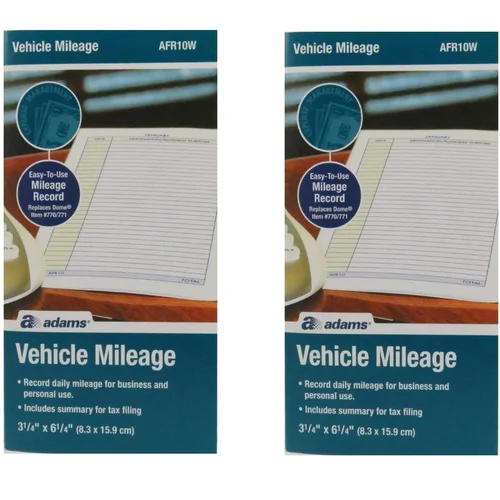
❌ Mistake: Focusing Only on EPA Ratings
Why it’s bad: EPA estimates are based on controlled lab tests and may not reflect your actual driving conditions. For example, aggressive city driving or frequent cold starts can reduce real-world MPG by 10–20%.
What to do instead: Cross-reference EPA numbers with real-world reviews from trusted sources. Look for owner forums or YouTube reviews where drivers share their actual fuel economy over months of use.
❌ Mistake: Overlooking Total Cost of Ownership
Why it’s bad: A cheaper SUV with poor fuel economy can cost you thousands more in gas over five years. Similarly, high insurance or maintenance costs can erode savings.
What to do instead: Use online calculators to compare total 5-year costs, including fuel, insurance, repairs, and depreciation. Sometimes spending $3,000 more upfront saves $8,000 long-term.
❌ Mistake: Ignoring Charging Infrastructure (for PHEVs)
Why it’s bad: If you buy a plug-in hybrid but can’t charge at home or work, you’ll rarely use its electric mode—wasting its efficiency potential and paying extra for a feature you don’t use.
What to do instead: Assess your access to charging before committing to a PHEV. If you rent or park on the street, a regular hybrid may be a better fit.
❌ Mistake: Choosing AWD Unnecessarily
Why it’s bad: All-wheel drive adds weight, complexity, and reduces fuel economy by 1–3 MPG. In mild climates, it’s often overkill.
What to do instead: Only opt for AWD if you live in snowy, mountainous, or rural areas with poor road conditions. Otherwise, front-wheel drive is lighter, cheaper, and more efficient.
❌ Mistake: Skipping the Test Drive
Why it’s bad: Fuel economy isn’t just about numbers—it’s about how the vehicle feels. A sluggish transmission or noisy cabin can make efficient driving frustrating.
What to do instead: Always test drive your top contenders. Pay attention to throttle response, cabin noise, and how the eco-mode affects drivability.
❌ Mistake: Neglecting Tire Maintenance
Why it’s bad: Worn or underinflated tires can reduce fuel economy by up to 3%. Many buyers don’t realize this until they’ve already purchased the vehicle.
What to do instead: Ask the dealer about tire type and recommended pressure. Consider investing in a digital tire pressure gauge and checking monthly.
❌ Mistake: Falling for “Eco” Badges Without Verification
Why it’s bad: Some automakers market trim levels as “eco” or “green” but offer only minor efficiency improvements—or none at all.
What to do instead: Always check the specs. An “Eco” badge doesn’t guarantee hybrid tech or significant MPG gains. Look under the hood—and in the fuel economy ratings.
Budget Guidelines: How Much Should You Spend?
Entry-Level ($25,000–$32,000): This tier includes compact SUVs like the 2026 Hyundai Tucson Hybrid and Kia Sportage Hybrid. Expect solid fuel economy (35–38 MPG combined), basic infotainment, and decent safety features. These are ideal for first-time buyers or those prioritizing affordability. While materials may feel plasticky, reliability is generally strong.
Mid-Range ($32,000–$42,000): The sweet spot for most buyers. Models like the Toyota RAV4 Hybrid, Honda CR-V Hybrid, and Subaru Forester offer excellent fuel efficiency (37–40 MPG), refined interiors, advanced driver aids, and strong resale value. You’ll get more standard features, better build quality, and often available AWD without a huge MPG penalty.
Premium ($42,000–$55,000): For enthusiasts and tech lovers. Think Ford Escape Plug-In Hybrid, Lexus NX 350h, or Mazda CX-50 Turbo Premium. These SUVs blend efficiency with luxury touches—premium audio, leather seats, larger screens, and enhanced performance. Fuel economy remains competitive (30–36 MPG combined), especially in hybrid variants.
Luxury ($55,000+): Top-tier options like the Volvo XC60 Recharge, Acura MDX Hybrid, or Genesis GV70 Electrified deliver near-silent cabins, cutting-edge tech, and impressive efficiency for their class (28–34 MPG). These are for buyers who want it all: space, style, performance, and conscience. However, maintenance and insurance costs rise significantly.
Expert Tips for Getting the Best Deal
1. Time Your Purchase Strategically: Dealers often offer the best incentives at the end of the model year (August–October) or during holiday sales events (Black Friday, Presidents’ Day). Avoid buying in spring when demand peaks.
2. Negotiate Based on Invoice Price, Not MSRP: Use resources like Edmunds or TrueCar to find the dealer’s invoice price. Aim to pay within $1,000–$2,000 above that, especially on high-demand hybrids.
3. Consider Certified Pre-Owned (CPO): A 1–2 year old hybrid SUV with low mileage can save you 15–20% off new while still offering warranty coverage and modern efficiency tech.
4. Leverage Loyalty and Conquest Programs: If you’ve owned a Toyota or Honda before, you may qualify for loyalty discounts. Switching brands? Some automakers offer “conquest” cash to lure you away from competitors.
5. Read the Fine Print on Warranties: Hybrid batteries often have separate warranties (e.g., 8 years/100,000 miles). Ensure coverage is transferable if you plan to sell later.
6. Use Online Tools to Compare Total Cost: Websites like Fuelly let you track real-world MPG across thousands of vehicles. Combine this with KBB’s cost-to-own data for a complete picture.
7. Test Drive in Eco Mode: Many SUVs have an “Eco” driving mode that softens throttle response and optimizes climate control. Try it during your test drive—it can make a noticeable difference in daily efficiency.
8. Ask About Fleet or Employee Pricing: Some dealers extend special pricing to individuals, even if you’re not a fleet buyer. It never hurts to ask!

Frequently Asked Questions
Q: Are hybrid SUVs really worth the extra cost?
A: In most cases, yes—especially if you drive 12,000+ miles annually. The fuel savings typically offset the higher purchase price within 3–5 years. Plus, hybrids often have better resale value and lower maintenance costs (no oil changes needed for the electric motor).
Q: Can I tow with a fuel-efficient SUV?
A: Absolutely. Many hybrids, like the 2026 Ford Explorer Hybrid, offer towing capacities up to 5,000 lbs. Just remember that towing reduces fuel economy significantly—plan accordingly and use tow/haul mode if available.
Q: Do I need to plug in a regular hybrid?
A: No. Full hybrids like the Toyota RAV4 Hybrid recharge their batteries automatically through regenerative braking and the gas engine. Plug-in hybrids (PHEVs) require charging to maximize efficiency.
Q: How much does AWD affect gas mileage?
A: Typically 1–3 MPG less than FWD. The difference is smaller in modern systems that disengage the rear wheels when not needed. If you don’t need AWD, skip it to save fuel and money.
Q: Are diesel SUVs more efficient than gas hybrids?
A: Not anymore. While diesels once offered superior highway mileage, modern hybrids surpass them in combined efficiency—and with cleaner emissions. Diesel SUVs are also rare and expensive to maintain in 2026.
Q: What’s the difference between mild hybrid and full hybrid?
A: Mild hybrids (e.g., Honda Accord Hybrid) can’t run on electric power alone—they only assist the gas engine. Full hybrids (e.g., Toyota Prius) can drive short distances on electricity, offering greater fuel savings.
Q: How long do hybrid batteries last?
A: Most last 10+ years or 150,000+ miles. Toyota and Honda report minimal degradation even after 200,000 miles. Warranties typically cover 8–10 years, giving peace of mind.
Q: Is it better to buy or lease an efficient SUV?
A: Leasing can make sense if you want lower monthly payments and plan to upgrade every 3–4 years. However, buying builds equity and avoids mileage restrictions—ideal if you drive a lot or keep cars long-term.
Q: Do fuel-efficient SUVs have less power?
A: Not necessarily. Many hybrids use electric motors to boost low-end torque, making them feel quicker off the line than gas-only counterparts. The 2026 Hyundai Santa Fe Hybrid, for example, delivers 230 horsepower while achieving 34 MPG.
Q: Can I install a roof rack without killing my MPG?
A: Roof racks increase drag and can reduce fuel economy by 5–15%, especially at highway speeds. If you only use it occasionally, remove it when not in use. Consider hitch-mounted cargo carriers as a more aerodynamic alternative.
Our Final Recommendations
Best for Budget-Conscious Buyers: 2026 Hyundai Tucson Hybrid – Starting around $29,500, it delivers 38 MPG combined, a spacious interior, and a 10-year/100,000-mile warranty. Perfect for value-focused shoppers who refuse to compromise on efficiency.
Best Overall Value: 2026 Toyota RAV4 Hybrid – The gold standard of compact SUVs. With 40 MPG combined, legendary reliability, standard AWD, and a rugged yet refined design, it’s hard to beat for daily driving and weekend adventures.
Best Premium Option: 2026 Lexus NX 350h – Luxury meets efficiency. This upscale hybrid offers 37 MPG, a whisper-quiet cabin, and cutting-edge safety tech. Ideal for buyers who want prestige without the gas-guzzling guilt.
Best for Beginners: 2026 Honda CR-V Hybrid – User-friendly controls, excellent visibility, and 38 MPG make it a stress-free choice for new drivers or those transitioning from sedans. Plus, Honda’s reputation for durability is unmatched.
Best for Advanced Users: 2026 Ford Escape Plug-In Hybrid – For tech-savvy drivers who want electric-only commuting (37 miles of EV range) and the flexibility of a gas engine. Its intelligent energy management system adapts to your route for maximum efficiency.
Conclusion: Making the Right Choice
Choosing the right SUV in 2026 isn’t just about picking the shiniest model on the lot—it’s about aligning your vehicle with your lifestyle, budget, and values. Fuel efficiency has evolved from a nice-to-have feature to a core requirement for smart, sustainable driving. By understanding the nuances of hybrid technology, evaluating real-world performance, and avoiding common traps, you can find an SUV that saves you money at the pump while delivering the space, safety, and comfort your family deserves.
Remember, the “best” SUV is the one that fits your unique needs. Don’t let marketing hype or peer pressure sway you. Take your time, do your research, and prioritize what matters most—whether that’s maximum MPG, third-row seating, or cutting-edge tech. With the insights from this guide, you’re equipped to make a confident, informed decision.
Now it’s your turn. Visit dealerships, take test drives, compare numbers, and trust your instincts. The perfect fuel-efficient SUV is out there—and with the right approach, you’ll drive off the lot knowing you made the smartest choice for your wallet, your family, and the planet. Happy driving!