
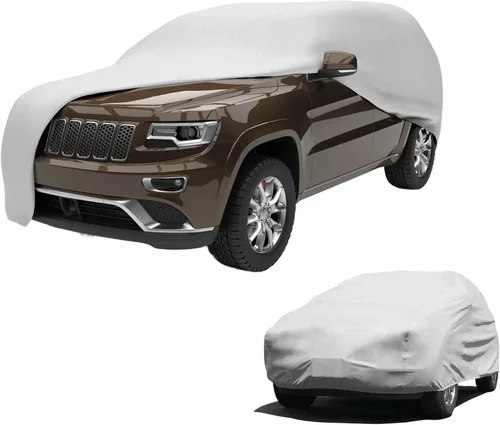
Buying a used SUV is one of the smartest decisions you can make in today’s automotive market. With new vehicle prices soaring and depreciation hitting hardest in the first few years, a pre-owned SUV offers exceptional value—especially when you know what to look for. Whether you’re a growing family needing extra cargo space, an outdoor enthusiast seeking all-terrain capability, or a commuter prioritizing fuel efficiency and safety, the right used SUV can deliver reliability, comfort, and performance without breaking the bank.
This comprehensive guide is designed to arm you with everything you need to make a confident, informed decision. We’ll walk you through the most critical factors to evaluate, compare different SUV categories, highlight common pitfalls to avoid, and share expert-backed strategies for getting the best deal. By the end, you’ll have a clear roadmap tailored to your lifestyle, budget, and priorities—so you can drive away in a vehicle that truly fits your needs.
The used SUV market in 2026 is more diverse and competitive than ever. From compact crossovers to full-size three-row giants, hybrid powertrains to rugged off-roaders, there’s an option for nearly every driver. However, not all used SUVs are created equal. Some models hold their value better, others have hidden mechanical issues, and many come with features that may or may not matter to you. That’s why understanding how to assess condition, verify history, and align your choice with long-term ownership goals is essential. Let’s dive into the key considerations that will guide your search.

What to Look for When Buying Buying Guide
1. Budget & Price Range
Your budget is the foundation of your entire buying decision. It dictates not only which models are within reach but also what condition, mileage, and feature level you can expect. A realistic budget should include not just the purchase price, but also taxes, registration, insurance, and potential immediate repairs or maintenance.
Start by determining your maximum out-the-door cost—not just the sticker price. For example, a $25,000 used SUV might end up costing $27,500 after fees and taxes. Consider financing options if needed, but avoid stretching your monthly payment beyond 10–15% of your take-home income. Also, factor in depreciation: even used SUVs lose value over time, so buying slightly older or higher-mileage models can maximize your dollar.
2. Performance Specifications
Performance isn’t just about horsepower—it’s about how well the SUV meets your driving needs. Consider engine type (gas, hybrid, diesel), transmission (automatic vs. manual), drivetrain (FWD, AWD, 4WD), towing capacity, and fuel economy.
For city driving and light highway use, a 4-cylinder engine with front-wheel drive (FWD) may suffice and offer better gas mileage. If you frequently drive in snow, rain, or rough terrain, all-wheel drive (AWD) or four-wheel drive (4WD) becomes essential. Families who tow trailers, boats, or campers should prioritize SUVs with robust V6 or V8 engines and high towing ratings (typically 5,000+ lbs).
Hybrid and plug-in hybrid SUVs are increasingly popular for their fuel efficiency and lower emissions. Models like the Toyota RAV4 Hybrid or Ford Escape Hybrid deliver excellent MPG without sacrificing utility. However, ensure the battery health is verified—hybrid batteries can be costly to replace if degraded.
3. Build Quality & Durability
Not all SUVs are built to last. Some brands and models have a reputation for longevity, while others suffer from premature wear, rust, or mechanical failures. Research reliability ratings from sources like J.D. Power, Consumer Reports, and RepairPal.
Look for vehicles with solid construction, rust-resistant materials, and proven track records. Japanese brands like Toyota, Honda, and Subaru consistently rank high for durability. American manufacturers like Ford and Chevrolet have improved significantly in recent years, especially with their newer platforms. European SUVs (e.g., BMW X5, Mercedes GLE) often offer luxury and performance but may come with higher maintenance costs.
Inspect the undercarriage for rust, especially in regions with harsh winters or coastal climates. Check door hinges, weather stripping, and interior materials for signs of wear. A well-maintained used SUV should feel solid when driving—no excessive rattles, vibrations, or loose components.
4. Features & Functionality
Modern SUVs come packed with technology, safety, and convenience features. While it’s tempting to chase the latest gadgets, focus on what truly enhances your daily experience.
Essential features include:
- Advanced driver-assistance systems (ADAS): automatic emergency braking, blind-spot monitoring, lane-keeping assist
- Infotainment: Apple CarPlay, Android Auto, responsive touchscreen
- Comfort: heated seats, dual-zone climate control, power-adjustable seats
- Utility: hands-free liftgate, fold-flat rear seats, ample cargo space
Avoid “feature fatigue”—don’t pay extra for options you won’t use. For example, a panoramic sunroof is nice but adds cost and potential leakage risk. Similarly, premium audio systems are great for audiophiles but unnecessary for casual listeners.
Check that all electronics function properly during your test drive. Test the backup camera, parking sensors, navigation, and USB ports. A malfunctioning infotainment system can be a sign of deeper electrical issues.
5. Brand Reputation
Brand reputation matters because it reflects consistency in quality, customer service, and resale value. Some automakers have earned trust through decades of reliable vehicles, while others struggle with recalls or poor owner satisfaction.
Toyota and Honda dominate reliability rankings, with models like the RAV4, CR-V, and Highlander known for lasting 200,000+ miles with proper care. Subaru excels in all-weather capability and safety. Hyundai and Kia have made massive strides in quality and now offer impressive warranties—even on used cars certified by their programs.
On the flip side, some luxury brands (e.g., Land Rover, Jaguar) have higher ownership costs due to complex systems and expensive parts. While they offer prestige and performance, they may not be ideal for budget-conscious buyers unless thoroughly inspected and covered by warranty.
Research owner forums and review sites to see real-world experiences. Look for patterns: recurring transmission issues, electrical gremlins, or suspension problems can be red flags.
6. Warranty & Support
A warranty can provide peace of mind and financial protection against unexpected repairs. Many used SUVs still have remaining factory warranty, especially if they’re less than 5 years old or under 60,000 miles.
Certified Pre-Owned (CPO) programs from manufacturers offer the best coverage. These vehicles undergo rigorous inspections, come with extended warranties (often 1–2 years beyond the original), and include perks like roadside assistance and loaner cars. CPO SUVs typically cost more than non-certified ones, but the added security is often worth it.
Third-party extended warranties are also available, but read the fine print carefully. Some exclude common components or have high deductibles. Stick with reputable providers like Endurance or CarShield if you go this route.
If buying privately, consider paying for a pre-purchase inspection (PPI) by a trusted mechanic. It typically costs $100–$200 but can save you thousands by uncovering hidden issues.
7. Size & Practicality
SUVs come in various sizes, each suited to different lifestyles. Choosing the right size ensures you get the space you need without paying for excess you don’t.
Compact SUVs (e.g., Honda CR-V, Toyota RAV4): Ideal for urban drivers, small families, or those prioritizing fuel efficiency. They offer good cargo space and easy maneuverability but limited passenger room.
Midsize SUVs (e.g., Ford Explorer, Hyundai Santa Fe): A sweet spot for many buyers. They balance passenger comfort, cargo capacity, and drivability. Most offer optional third rows, though legroom may be tight.
Full-Size SUVs (e.g., Chevrolet Tahoe, Ford Expedition): Designed for large families or heavy hauling. They provide three full rows, massive cargo areas, and strong towing—but consume more fuel and are harder to park.
Consider your typical passenger and cargo needs. Do you regularly carry 6+ people? Transport large items like furniture or gear? If not, a smaller SUV may serve you better and cost less to own.
8. User Reviews & Ratings
Never rely solely on manufacturer claims or dealer descriptions. Real owner feedback reveals the truth about daily usability, reliability, and common issues.
Websites like Edmunds, Cars.com, and Reddit’s r/WhatCarShouldIBuy host thousands of user reviews. Look for recurring themes: “Great on gas but transmission failed at 80k,” or “Roomy interior but infotainment freezes often.” These insights are invaluable.
Pay attention to long-term owners (5+ years or 100k+ miles). Their experiences reflect real-world durability. Also, check NHTSA recall databases and IIHS safety ratings—especially for crash performance and crash avoidance tech.
Finally, compare similar models side by side. For instance, the Mazda CX-5 may score higher in driving dynamics than the Nissan Rogue, even if both are reliable. Your preference for ride quality, handling, or tech could be the deciding factor.
Different Types of Buying Guide

Common Buying Mistakes to Avoid

❌ Mistake: Skipping the Vehicle History Report
Why it’s bad: A clean title doesn’t guarantee a clean past. The SUV could have been in a major accident, flooded, or used as a rental—all of which affect safety and longevity.
What to do instead: Always obtain a vehicle history report from Carfax or AutoCheck. Look for consistent ownership, regular maintenance records, and no salvage or flood titles.
❌ Mistake: Ignoring a Pre-Purchase Inspection
Why it’s bad: You might miss hidden mechanical issues like worn suspension, transmission slippage, or engine leaks that aren’t obvious during a test drive.
What to do instead: Hire a certified mechanic to inspect the SUV before finalizing the purchase. It’s a small cost compared to major repairs later.
❌ Mistake: Overlooking Total Cost of Ownership
Why it’s bad: A cheap purchase price can be misleading if the SUV has high insurance, poor fuel economy, or frequent repair needs.
What to do instead: Use tools like Edmunds’ True Cost to Own or AAA’s driving cost calculator to estimate annual expenses including fuel, maintenance, insurance, and depreciation.
❌ Mistake: Falling for “Too Good to Be True” Deals
Why it’s bad: Extremely low prices often indicate hidden problems, odometer rollback, or scams—especially in private sales.
What to do instead: Compare the listing price to market averages. If it’s significantly lower, ask why. Request maintenance records and verify the seller’s identity.
❌ Mistake: Not Test Driving in Real Conditions
Why it’s bad: A short drive around the block won’t reveal issues that appear at highway speeds, on rough roads, or during cold starts.
What to do instead: Drive the SUV for at least 30 minutes on varied terrain—highways, hills, potholes. Test acceleration, braking, steering, and noise levels.
❌ Mistake: Neglecting to Negotiate
Why it’s bad: Dealers and private sellers often inflate prices, expecting negotiation. Paying full asking price leaves money on the table.
What to do instead: Research fair market value and use any flaws (cosmetic or mechanical) as leverage. Be polite but firm—most sellers expect some haggling.
❌ Mistake: Buying Based Solely on Looks or Brand
Why it’s bad: A stylish exterior or luxury badge doesn’t guarantee reliability or suitability for your needs.
What to do instead: Prioritize function over form. Choose a vehicle that meets your practical requirements, then consider aesthetics as a secondary factor.
Budget Guidelines: How Much Should You Spend?
Setting a realistic budget ensures you get the best value without financial strain. Here’s a breakdown of what to expect at different price tiers in the 2026 used SUV market:
Entry-Level ($12,000 – $20,000): This range includes older models (2015–2018) with higher mileage (80,000–120,000 miles). Examples: 2016 Honda CR-V, 2017 Ford Escape, 2015 Toyota RAV4. Expect basic features, possible cosmetic wear, and higher maintenance risk. Ideal for budget-focused buyers who prioritize affordability over luxury.
Mid-Range ($20,000 – $30,000): The sweet spot for most buyers. You’ll find 2018–2021 models with 40,000–70,000 miles, often still under partial warranty. Options include the 2020 Subaru Forester, 2019 Hyundai Tucson, or 2021 Mazda CX-5. These offer modern safety tech, good fuel economy, and solid reliability.
Premium ($30,000 – $45,000): For enthusiasts and professionals who want more power, space, or features. Look for 2020–2023 midsize or hybrid SUVs like the 2022 Toyota Highlander Hybrid, 2021 Ford Explorer, or 2023 Kia Sorento. Many come with CPO warranties and advanced infotainment.
Luxury ($45,000+): Top-tier used SUVs from brands like Lexus, Acura, BMW, or Mercedes-Benz. These are typically 2020–2023 models with low mileage and premium interiors. While they offer prestige and performance, be prepared for higher maintenance and repair costs. Always verify service history and consider an extended warranty.

Expert Tips for Getting the Best Deal
Securing a great used SUV isn’t just about finding the right vehicle—it’s about timing, strategy, and diligence. Here are proven tactics from industry experts:
- Buy in Winter: Demand for SUVs dips in colder months, especially for convertibles or sports cars. Use this to negotiate better prices on SUVs, which are still practical but less “trendy” in winter.
- Shop Certified Pre-Owned (CPO): CPO programs offer inspected, warrantied vehicles with roadside assistance. They cost more than private sales but reduce risk significantly.
- Expand Your Search Radius: Use online platforms like CarGurus, Autotrader, or Cars.com to compare listings within 100–200 miles. Sometimes driving a few hours saves thousands.
- Check for Recalls: Visit the NHTSA website and enter the VIN to see if any open recalls exist. A reputable seller should have addressed them—if not, use it as a bargaining chip.
- Negotiate Based on Data: Bring printouts of KBB values, competing listings, and inspection findings. Sellers are more likely to budge when presented with facts.
- Consider Off-Lease Vehicles: Many leased SUVs return to dealers in good condition with low mileage. They’re often well-maintained and priced competitively.
- Read the Fine Print: Whether buying from a dealer or private party, ensure the contract includes all agreed terms—price, warranty, return policy, and included accessories.
- Test All Features: Don’t assume everything works. Test the A/C, heater, wipers, lights, infotainment, and even the cup holders. Small issues can indicate neglect.

Frequently Asked Questions
Q: How many miles is too many for a used SUV?
A: There’s no universal cutoff, but as a rule of thumb, 12,000–15,000 miles per year is average. A 5-year-old SUV with 60,000 miles is in good shape; one with 100,000+ miles requires closer inspection. High mileage isn’t inherently bad if the vehicle has been well-maintained.
Q: Should I buy a used SUV from a dealer or private seller?
A: Dealers offer convenience, warranties, and recourse if something goes wrong. Private sellers often have lower prices but less protection. Weigh the trade-offs: if you’re risk-averse, go with a reputable dealer. If you’re savvy and get a PPI, a private sale can save money.
Q: Are hybrid SUVs reliable used?
A: Generally, yes—especially from Toyota, Honda, and Ford. Hybrid systems are designed for longevity. However, always check battery health and service history. Avoid models with known battery issues (e.g., early Ford Escape Hybrids).
Q: Can I negotiate the price of a used SUV?
A: Absolutely. Most sellers expect negotiation. Use market data, vehicle condition, and competing offers to justify your counteroffer. Be respectful but persistent.
Q: What’s the best way to check for accidents?
A: Obtain a vehicle history report (Carfax/AutoCheck) and inspect the body for mismatched paint, uneven gaps between panels, or signs of frame damage. A PPI by a mechanic can also reveal hidden repairs.
Q: Is it worth paying extra for a CPO SUV?
A: For most buyers, yes. CPO vehicles undergo 100+ point inspections, come with extended warranties, and often include perks like free maintenance. The peace of mind usually justifies the premium.
Q: How important is AWD?
A: It depends on your climate and driving habits. AWD improves traction in rain, snow, and light off-roading but reduces fuel economy. If you live in a mild climate and stick to paved roads, FWD may suffice.
Q: What should I do if I find a problem after buying?
A: If bought from a dealer, check your state’s lemon laws or “cooling-off” period (varies by location). For private sales, “as-is” purchases offer little recourse—another reason to get a PPI beforehand.
Q: Are older luxury SUVs a good deal?
A: They can be, but proceed with caution. Luxury brands often have higher repair costs and complex electronics. Ensure the vehicle has full service records and consider an extended warranty.
Q: How do I verify the VIN?
A: Use free tools like NICB’s VINCheck or paid services like Carfax. The VIN should match the title, registration, and door jamb sticker. Any discrepancy is a red flag.
Our Final Recommendations
After evaluating dozens of models, reliability data, owner feedback, and market trends, here are our top picks across key categories:
Best for Budget-Conscious Buyers: 2018–2020 Honda CR-V – Excellent fuel economy, spacious interior, top safety scores, and legendary reliability. Expect to pay $18,000–$25,000.
Best Overall Value: 2019–2021 Toyota RAV4 – Combines rugged capability, hybrid efficiency, and strong resale value. A true all-rounder for families and adventurers alike.
Best Premium Option: 2020–2022 Lexus RX 350 – Luxury refinement, whisper-quiet cabin, and Toyota-based reliability. Ideal for those wanting comfort without sacrificing dependability.
Best for Beginners: 2017–2019 Subaru Forester – Standard AWD, excellent visibility, easy handling, and top-tier safety. Perfect first SUV for new drivers or small families.
Best for Advanced Users: 2020–2022 Ford Explorer – Powerful engine options, advanced tech, and available hybrid or performance trims. Great for tech-savvy buyers who want versatility and power.
Conclusion: Making the Right Choice
Choosing the best used SUV in 2026 doesn’t have to be overwhelming. By focusing on your core needs—budget, size, performance, and reliability—you can narrow the field to a few strong contenders. Remember, the “best” SUV isn’t necessarily the newest or most expensive—it’s the one that fits your life, your driveway, and your wallet.
Take your time, do your research, and never skip the inspection. A little diligence now can prevent major headaches down the road. Whether you’re hauling kids to soccer practice, exploring mountain trails, or commuting through city traffic, the right used SUV will serve you well for years to come.
Now that you’re equipped with expert knowledge, it’s time to start your search. Use this guide as your checklist, trust your instincts, and drive away with confidence. Happy hunting—and enjoy the ride!