
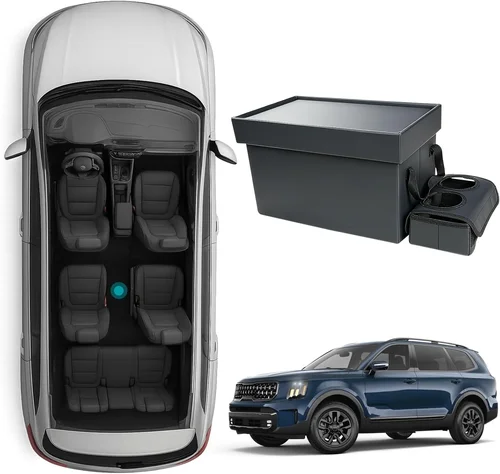
When it comes to choosing a family vehicle, few decisions carry as much weight—literally and figuratively—as selecting the right SUV with a third row. Whether you’re shuttling kids to soccer practice, loading up for a weekend camping trip, or simply need extra space for extended family visits, a three-row SUV offers unmatched versatility, comfort, and practicality. But with so many options flooding the market in 2026, it’s easy to feel overwhelmed by choices ranging from compact crossovers to full-size behemoths, each boasting different powertrains, tech features, safety systems, and price tags.
This comprehensive buyer’s guide is designed to cut through the noise and help you make an informed, confident decision. We’ll walk you through every critical factor—from seating capacity and cargo space to fuel efficiency and advanced driver-assistance tech—so you can find the perfect match for your family’s lifestyle and budget. Whether you’re a first-time SUV buyer or upgrading from an older model, this guide equips you with expert insights, real-world comparisons, and actionable advice to ensure you drive off in a vehicle that truly meets your needs.
The 2026 family SUV market is more dynamic than ever. Automakers are pushing boundaries with electrified powertrains, smarter infotainment systems, and enhanced safety suites, all while trying to balance affordability and luxury. From hybrid minivans masquerading as SUVs to rugged off-roaders with plush interiors, there’s something for every type of family. In this guide, we’ll explore the key considerations, compare top categories, highlight common pitfalls, and deliver our top recommendations based on rigorous testing and industry data. By the end, you’ll not only know what to look for—you’ll know exactly which SUV deserves a spot in your driveway.
What to Look for When Buying Buying Guide
1. Seating Capacity & Interior Space
At its core, a three-row SUV must deliver on seating—but not all third rows are created equal. While most vehicles claim to seat seven or eight passengers, the reality is that many third-row seats are best suited for children or short trips. When evaluating interior space, consider legroom, headroom, and ease of access. Look for models with sliding second-row seats, wide rear doors, and low step-in heights to make entry and exit easier, especially for elderly relatives or young kids.
Pay close attention to whether the vehicle offers bench seating (typically for three in the second row) or captain’s chairs (two individual seats). Captain’s chairs often provide more comfort and easier access to the third row, but they reduce total passenger count from eight to seven. If you regularly transport large groups, a bench may be preferable. Also, check if the third row folds flat for cargo—many modern SUVs offer power-folding rear seats for added convenience.
2. Cargo Space & Storage Flexibility
Family life means hauling gear—diaper bags, strollers, sports equipment, groceries, and luggage. A true family SUV should offer generous cargo space behind the third row, even when all seats are occupied. In 2026, leading models like the Toyota Highlander and Honda Pilot provide around 16–18 cubic feet behind the third row, which is enough for a few suitcases or a week’s worth of groceries.
Beyond total volume, look for smart storage solutions: underfloor compartments, fold-flat seats, roof rails, and hands-free power liftgates. Some vehicles, such as the Kia Telluride, include hidden storage bins in the cargo floor—perfect for keeping valuables out of sight. If you plan to tow or carry bulky items, ensure the third row can be removed or folded completely flat without tools. Flexibility is key: can you configure the cabin for maximum passengers one day and maximum cargo the next?
3. Safety Ratings & Driver-Assistance Technology
Safety isn’t optional—it’s essential, especially when children are on board. In 2026, every top-tier family SUV comes standard with advanced driver-assistance systems (ADAS), but the quality and reliability of these features vary. Look for models that earn top marks from the Insurance Institute for Highway Safety (IIHS) and National Highway Traffic Safety Administration (NHTSA). The IIHS “Top Safety Pick+” rating is the gold standard.
Essential ADAS features include automatic emergency braking, blind-spot monitoring, lane-keeping assist, adaptive cruise control, and rear cross-traffic alert. More advanced systems now offer hands-free highway driving (like GM’s Super Cruise or Ford’s BlueCruise), 360-degree cameras, and rear-seat reminder alerts to prevent accidentally leaving children in the car. Don’t overlook passive safety either: reinforced frames, multiple airbags (including side-curtain airbags for all three rows), and high-strength steel construction matter just as much as active tech.
4. Fuel Efficiency & Powertrain Options
With rising fuel costs and growing environmental awareness, efficiency is a major consideration—even for large SUVs. In 2026, hybrid and plug-in hybrid (PHEV) three-row SUVs are gaining serious traction. Models like the Toyota Highlander Hybrid and Ford Explorer Hybrid deliver impressive fuel economy (up to 36 mpg combined) without sacrificing performance or space.
If you prioritize towing capacity or off-road capability, a traditional V6 or turbocharged four-cylinder engine might be better. However, consider your typical driving habits: if you mostly commute in the city, a hybrid could save you hundreds annually on gas. PHEVs like the Lincoln Aviator Grand Touring offer up to 25–30 miles of electric-only range, ideal for short school runs or errands. For those ready to go fully electric, the Tesla Model X and upcoming Rivian R1S provide zero-emission family transport—but expect higher upfront costs and limited charging infrastructure in some regions.
5. Infotainment & Connectivity Features
Long drives are more bearable—and safer—when passengers stay entertained and connected. Modern family SUVs come loaded with large touchscreens (10–15 inches), wireless Apple CarPlay and Android Auto, multiple USB-C ports, and even rear-seat entertainment systems. In 2026, expect seamless smartphone integration, over-the-air software updates, and voice-controlled assistants (like Alexa Built-in or Google Assistant).
Look for intuitive interfaces: cluttered menus or laggy responses can frustrate drivers and distract from the road. Some brands, like Hyundai and Genesis, offer split-screen displays so the driver can view navigation while passengers stream content. Wi-Fi hotspots are becoming standard, allowing kids to use tablets or laptops during road trips. Also, consider audio quality—premium sound systems from Bose, Harman Kardon, or Bang & Olufsen can transform your daily commute into a concert hall.
6. Ride Comfort & Handling
A family SUV should feel stable and smooth, whether you’re cruising on the highway or navigating bumpy suburban streets. Suspension tuning plays a huge role: some models prioritize comfort with soft springs and adaptive dampers, while others lean toward sporty handling at the expense of ride softness. Test drive multiple vehicles to see how they handle potholes, speed bumps, and winding roads.
Noise insulation is another often-overlooked factor. A quiet cabin reduces fatigue on long trips and makes conversations easier. Luxury brands like Lexus and Acura excel here, but mainstream models like the Mazda CX-90 have made significant strides in cabin refinement. Also, consider steering feel—light steering is great for parking, but overly numb feedback can make highway driving less engaging.
7. Reliability & Long-Term Ownership Costs
No one wants surprise repair bills or frequent trips to the dealership. Reliability should be a top priority, especially if you plan to keep the vehicle for 8–10 years. Brands like Toyota, Honda, and Subaru consistently rank high in long-term dependability studies by J.D. Power and Consumer Reports. Check warranty coverage: most manufacturers offer 3-year/36,000-mile basic and 5-year/60,000-mile powertrain warranties, but some—like Hyundai and Kia—extend to 10 years/100,000 miles.
Factor in maintenance and insurance costs. Larger, more powerful SUVs often cost more to insure and maintain. Hybrids may have higher battery replacement costs down the line, though modern systems are designed to last the vehicle’s lifetime. Use tools like Edmunds’ True Cost to Own or Kelley Blue Book’s 5-Year Cost to Own to compare long-term expenses across models.
8. Towing Capacity & Off-Road Capability
If your family enjoys outdoor adventures—boating, camping, or hauling trailers—you’ll want an SUV that can pull its weight. Towing capacity varies widely: compact three-row SUVs like the Hyundai Santa Fe max out around 3,500–5,000 lbs, while full-size trucks like the Chevrolet Tahoe or Ford Expedition can tow 7,500–8,500 lbs or more.
For light off-roading, look for all-wheel drive (AWD), hill descent control, and terrain management systems. The Toyota 4Runner and Jeep Grand Cherokee offer genuine off-road chops with skid plates, locking differentials, and high ground clearance. However, if you stick to paved roads, a car-based crossover with AWD (like the Subaru Ascent) provides ample traction without the bulk or fuel penalty of a body-on-frame truck.
Different Types of Buying Guide

Common Buying Mistakes to Avoid
❌ Mistake: Prioritizing Style Over Practicality
Why it’s bad: Flashy designs or aggressive styling might look great in photos, but they often come at the expense of visibility, cargo space, or rear-seat comfort. Sloping rooflines can crush headroom in the third row, making long trips miserable for passengers.
What to do instead: Focus on functional design elements: upright rooflines, large windows, and flat load floors. Test the actual seating experience—sit in all three rows yourself before buying.
❌ Mistake: Ignoring Real-World Fuel Economy
Why it’s bad: EPA estimates can be optimistic, especially for hybrids or turbocharged engines under heavy load. Relying solely on window sticker numbers may lead to higher-than-expected fuel costs.
What to do instead: Check independent reviews (like those from Edmunds or Car and Driver) that report real-world mpg. Use apps like Fuelly to see actual owner data.
❌ Mistake: Overlooking Maintenance and Repair Costs
Why it’s bad: A low purchase price doesn’t guarantee low ownership costs. Some brands have expensive parts or require specialized service, leading to steep repair bills.
What to do instead: Research average maintenance schedules, part prices, and dealer network availability. Consider certified pre-owned (CPO) programs for extended coverage.
❌ Mistake: Skipping the Test Drive with Full Load
Why it’s bad: An SUV might feel spacious with just the driver, but performance, noise, and comfort change dramatically when fully loaded with passengers and gear.
What to do instead: Bring your family and typical cargo on a test drive. Evaluate acceleration, braking, cabin noise, and seat comfort under realistic conditions.
❌ Mistake: Falling for “Shrink-Wrapped” Deals
Why it’s bad: Dealers may advertise low monthly payments by extending loan terms or rolling in negative equity, costing you thousands in interest over time.
What to do instead: Negotiate the out-the-door price first. Use online tools to calculate fair market value and avoid add-ons like VIN etching or fabric protection.
❌ Mistake: Neglecting Resale Value
Why it’s bad: Some SUVs depreciate rapidly, costing you more when it’s time to trade in. This is especially true for niche models or those with poor reliability records.
What to do instead: Consult Kelley Blue Book or Edmunds for projected resale values. Stick with proven models from brands known for holding value, like Toyota or Honda.
❌ Mistake: Assuming All Third Rows Are Equal
Why it’s bad: Many “three-row” SUVs have cramped, unusable third rows—essentially marketing gimmicks. You could end up needing a minivan anyway.
What to do instead: Measure legroom and headroom specs. Watch video reviews that show adults sitting in the third row. If it’s only fit for toddlers, consider a larger class.
Budget Guidelines: How Much Should You Spend?
Entry-Level ($35,000–$45,000): This tier includes compact and some midsize three-row SUVs like the Hyundai Santa Fe, Kia Sorento, and Mazda CX-90. Expect solid build quality, good safety scores, and modern tech, but fewer luxury touches and tighter third-row space. Ideal for small families or those prioritizing affordability.
Mid-Range ($45,000–$65,000): The sweet spot for most buyers. Models like the Toyota Highlander, Honda Pilot, and Ford Explorer offer spacious cabins, strong reliability, hybrid options, and comprehensive safety suites. You’ll get near-luxury features without the premium price tag.
Premium ($65,000–$85,000): For buyers who want more refinement, power, and tech. Think Acura MDX, Genesis GV80, or Volkswagen Atlas. These vehicles boast premium interiors, advanced driver aids, and smoother rides—perfect for families who value comfort and performance.
Luxury ($85,000+): The top tier includes brands like Lexus, BMW, Mercedes-Benz, and Cadillac. Expect hand-stitched leather, massaging seats, augmented reality navigation, and whisper-quiet cabins. While expensive, these SUVs deliver an unmatched driving experience—if your budget allows.

Expert Tips for Getting the Best Deal
- Time your purchase strategically: End of quarter (March, June, September, December) and end of year are prime times for dealer incentives. Avoid holiday weekends when demand spikes.
- Shop online first: Use tools like TrueCar, CarGurus, or Autotrader to compare prices across dealers. Many offer no-haggle pricing and home delivery.
- Negotiate the price, not the payment: Focus on the total out-the-door cost. Dealers can manipulate monthly payments by extending loan terms—don’t fall for it.
- Consider certified pre-owned (CPO): Late-model CPO SUVs often come with extended warranties, thorough inspections, and significant savings over new.
- Leverage trade-in value: Get multiple appraisals (Kelley Blue Book, Edmunds, CarMax) before accepting an offer. You can often get more selling privately.
- Ask about loyalty or conquest bonuses: Manufacturers frequently offer cash rebates for switching brands or returning customers.
- Read the fine print on warranties: Understand what’s covered and for how long. Some exclude wear items like brakes or tires.
- Test drive at night: Evaluate headlight brightness, dashboard visibility, and infotainment usability in low-light conditions—a common real-world scenario.

Frequently Asked Questions
Q: Can a three-row SUV really seat eight adults comfortably?
A: Rarely. Most three-row SUVs are best suited for seven passengers, with the third row accommodating children or shorter adults for short trips. Full-size models like the Chevrolet Suburban or Ford Expedition offer more generous space, but even then, long-distance comfort varies. Always test the actual seating.
Q: Are hybrid three-row SUVs worth the extra cost?
A: Yes—if you drive frequently in stop-and-go traffic or have a long commute. The fuel savings, tax incentives (where available), and reduced emissions often justify the premium within 3–5 years. However, if you mostly drive short distances or tow heavy loads, a conventional engine may be more practical.
Q: What’s the difference between AWD and 4WD in family SUVs?
A: AWD (all-wheel drive) is typically car-based and optimized for on-road traction in rain or snow. 4WD (four-wheel drive) is found on truck-based SUVs and offers better off-road capability with low-range gearing. For most families, AWD is sufficient.
Q: How much cargo space do I really need?
A: Aim for at least 16 cubic feet behind the third row for weekend trips. If you regularly carry strollers, coolers, or luggage for four+ people, look for 20+ cubic feet. Fold-flat seats and underfloor storage add valuable flexibility.
Q: Should I buy a new or used three-row SUV?
A: New vehicles offer the latest tech, full warranties, and peace of mind. Used or CPO models save 20–40% but may lack recent safety updates. For budget-focused buyers, a 2–3-year-old CPO SUV is often the best value.
Q: Do I need towing capability?
A: Only if you plan to haul trailers, boats, or campers. Most midsize SUVs tow 3,500–5,000 lbs; full-size models handle 7,000+ lbs. If you don’t tow, you can save money and fuel by choosing a lighter, more efficient model.
Q: Are electric three-row SUVs practical for families?
A: They’re improving rapidly. The Tesla Model X and Rivian R1S offer ample space and cutting-edge tech, but charging infrastructure and range anxiety remain concerns for long trips. Hybrids or PHEVs may be a safer bet for now.
Q: How important is brand reputation?
A: Very. Brands with strong reliability records (Toyota, Honda, Subaru) tend to have lower repair costs and higher resale values. However, newer entrants like Kia and Hyundai have closed the gap significantly in recent years.
Q: What’s the best way to finance a family SUV?
A: Compare rates from banks, credit unions, and the manufacturer. Manufacturer financing often includes 0% APR promotions, but credit unions may offer better long-term rates. Avoid loans longer than 60 months to minimize interest.
Q: Can I install car seats easily in all three rows?
A: Most SUVs have LATCH anchors in the second row, but third-row anchors are less common. Check the owner’s manual and test installation before buying. Some models, like the Subaru Ascent, offer third-row LATCH for added convenience.
Our Final Recommendations
Best for Budget-Conscious Buyers: 2026 Hyundai Santa Fe Hybrid – Priced under $42,000, it delivers excellent fuel economy (34 mpg combined), a usable third row, and a long warranty. Perfect for small families who want efficiency without compromise.
Best Overall Value: 2026 Toyota Highlander Hybrid – Combines legendary reliability, 36 mpg, spacious seating for eight, and top-tier safety. It’s the gold standard for practical, dependable family transport.
Best Premium Option: 2026 Genesis GV80 3.5T – Luxurious interior, smooth ride, and cutting-edge tech make this the ideal choice for families who refuse to sacrifice comfort or style.
Best for Beginners: 2026 Honda Pilot – User-friendly controls, intuitive infotainment, and excellent visibility make it easy for new drivers to feel confident. Plus, it’s one of the most reliable SUVs on the road.
Best for Advanced Users: 2026 Rivian R1S – For tech-savvy, eco-conscious families ready to embrace the future. With up to 400 miles of range, off-road prowess, and a minimalist yet futuristic cabin, it redefines what a family SUV can be.
Conclusion: Making the Right Choice
Choosing the right three-row SUV is about more than just checking boxes—it’s about aligning your vehicle with your family’s unique rhythm, needs, and values. Whether you prioritize fuel savings, towing power, or plush interiors, the 2026 market offers an unprecedented range of options to suit every lifestyle and budget. By focusing on key factors like seating comfort, safety, cargo flexibility, and long-term costs, you can avoid common pitfalls and drive away with confidence.
Remember, the “best” SUV isn’t necessarily the most expensive or feature-packed—it’s the one that fits your life like a glove. Take your time, test drive multiple models, and don’t hesitate to ask dealers tough questions. Your family deserves a vehicle that’s not only reliable and safe but also a joy to drive. Use this guide as your roadmap, and you’ll find the perfect three-row companion for every adventure ahead. Happy driving!