
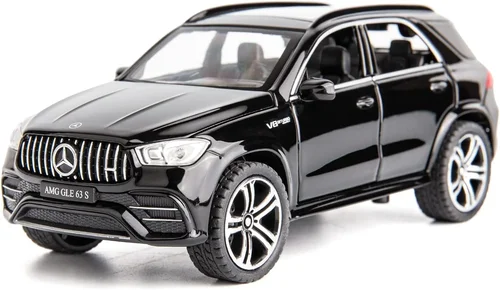
When it comes to luxury SUVs, few brands command the same level of respect, innovation, and prestige as Mercedes-Benz. As we move into 2026, the German automaker continues to redefine what it means to drive a premium SUV—blending cutting-edge technology, refined craftsmanship, and powerful performance into vehicles that are as comfortable on city streets as they are on rugged terrain. Whether you’re a family seeking spacious comfort, a tech enthusiast craving the latest in-car innovations, or a performance driver who demands exhilarating power, Mercedes offers an SUV tailored to your lifestyle. With a lineup that spans from compact crossovers to full-size luxury titans, choosing the right model can feel overwhelming. That’s where this comprehensive buyer’s guide comes in.
This guide is designed to help you navigate the evolving landscape of Mercedes SUVs in 2026 with confidence and clarity. We’ll walk you through every critical decision point—from budget and size to performance specs and advanced features—so you can make an informed choice that aligns with your needs, preferences, and long-term goals. You’ll learn how to compare models, avoid common pitfalls, and identify the best value for your investment. Whether you’re considering a hybrid, an all-electric EQS SUV, or a high-performance AMG variant, we’ve got you covered. By the end of this guide, you’ll not only know which Mercedes SUV is right for you, but also how to get the best deal and ensure your purchase stands the test of time.
The luxury SUV market in 2026 is more competitive than ever, with Mercedes-Benz holding a commanding position thanks to its blend of heritage, innovation, and forward-thinking design. From the sleek GLA to the opulent GLS, the brand offers a diverse portfolio that caters to a wide range of buyers. Electric and hybrid options are now mainstream, with Mercedes pushing aggressively into electrification with its EQ lineup. At the same time, traditional internal combustion engines continue to deliver impressive power and efficiency. With advancements in autonomous driving, AI-powered infotainment, and sustainable materials, Mercedes SUVs are not just vehicles—they’re mobile sanctuaries of comfort and technology. This guide will help you cut through the noise and find the perfect match for your lifestyle.

What to Look for When Buying a Mercedes SUV
1. Budget & Price Range
One of the most important factors when buying any luxury vehicle is your budget. Mercedes SUVs span a wide price spectrum, from the entry-level GLA starting around $45,000 to the ultra-luxurious GLS, which can exceed $130,000 when fully equipped. It’s essential to determine not just the purchase price, but also long-term costs such as insurance, fuel or electricity, maintenance, and depreciation. For example, while the GLE 350 might seem affordable upfront, opting for the AMG GLE 63 S could double your monthly payments and significantly increase fuel consumption.
Consider whether you’re buying new, certified pre-owned (CPO), or used. New models come with the latest tech and full warranties, but depreciate quickly. CPO vehicles offer a balance—often 1-3 years old with extended warranties and rigorous inspections. Used models can save you thousands, but require thorough due diligence. Always factor in financing options, trade-in value, and potential incentives like federal EV tax credits for models like the EQE or EQS SUV.
2. Performance Specifications
Mercedes SUVs are known for their dynamic driving experience, but performance varies widely across the lineup. Engine options range from efficient four-cylinders to thunderous V8s and even electric motors delivering instant torque. The GLA 250, for instance, uses a 2.0L turbocharged four-cylinder producing 221 horsepower—perfect for city driving and light highway use. In contrast, the AMG G 63 features a handcrafted 4.0L twin-turbo V8 with 577 horsepower, capable of 0-60 mph in under 4.5 seconds.
Don’t overlook drivetrain options. Most Mercedes SUVs come standard with all-wheel drive (4MATIC), which enhances traction and stability in various conditions. If you live in a snowy or mountainous region, this is a must-have. For electric models like the EQS SUV, dual-motor setups provide all-wheel drive and impressive range—up to 350 miles on a single charge. Consider your driving habits: do you prioritize fuel efficiency, towing capacity, or track-ready performance? Matching your needs to the right powertrain ensures a satisfying ownership experience.
3. Build Quality & Durability
Mercedes-Benz has long been synonymous with exceptional build quality, and its SUVs are no exception. From precision-engineered chassis to high-grade materials like Nappa leather, open-pore wood trim, and aluminum accents, every detail reflects meticulous craftsmanship. The brand’s commitment to durability is evident in rigorous testing protocols—vehicles undergo extreme climate simulations, crash tests, and long-term reliability assessments before hitting the market.
That said, not all models are created equal. While the GLS and G-Class are built on robust, truck-based platforms designed for longevity and off-road capability, smaller models like the GLB may use more cost-effective components to keep prices competitive. Pay attention to panel gaps, interior noise levels, and the feel of switches and controls—these subtle cues often reveal true build quality. Additionally, check for recalls or known issues on specific model years. For example, early EQC models faced software glitches, though these have largely been resolved in 2026 updates.
4. Features & Functionality
Mercedes SUVs are packed with advanced features that elevate comfort, convenience, and safety. The MBUX (Mercedes-Benz User Experience) infotainment system is a standout, offering voice control, augmented reality navigation, and over-the-air updates. In 2026, MBUX has evolved further with AI-driven personalization—learning your preferences for climate, seating, and media. The optional Hyperscreen, available on EQS and S-Class-based SUVs, spans the entire dashboard with three seamless OLED displays, creating a futuristic cockpit experience.
Safety is another strength. All 2026 Mercedes SUVs come standard with Active Brake Assist, Blind Spot Assist, and Attention Assist. Higher trims add features like Active Distance Assist DISTRONIC (adaptive cruise control), Active Steering Assist, and Evasive Steering Assist. For families, rear-seat entertainment, panoramic sunroofs, and multi-zone climate control enhance passenger comfort. Don’t forget practical features like hands-free power liftgates, wireless charging, and ample cargo space—especially important if you frequently transport gear, pets, or children.
5. Brand Reputation & Resale Value
Mercedes-Benz enjoys a strong reputation for luxury, innovation, and engineering excellence. This prestige translates into higher resale values compared to many competitors. According to industry reports, Mercedes SUVs typically retain 50-60% of their value after three years, with models like the G-Class and GLE holding value even better due to their iconic status and limited production.
However, reputation isn’t just about resale—it’s also about customer satisfaction and reliability. While Mercedes consistently ranks high in luxury segments, some models have faced criticism for complex electronics and costly repairs. The key is to choose a well-maintained vehicle and stay on top of scheduled service. Certified Pre-Owned programs offer peace of mind with extended warranties and 24/7 roadside assistance. Additionally, Mercedes’ global service network ensures parts and expertise are readily available, even in remote areas.
6. Warranty & Support
Mercedes offers a competitive warranty package: 4 years or 50,000 miles of bumper-to-bumper coverage, plus a 6-year/70,000-mile powertrain warranty. For electric models like the EQE and EQS SUV, the high-voltage battery is covered for 8 years or 100,000 miles—a critical consideration given the cost of battery replacement. Many dealers also include complimentary maintenance for the first two years, covering oil changes, tire rotations, and inspections.
Support extends beyond the warranty. Mercedes provides 24/7 roadside assistance, trip interruption coverage, and access to a dedicated customer service team. The Mercedes me app allows remote start, vehicle tracking, and service scheduling from your smartphone. For international travelers, Mercedes offers global warranty coverage, making it easier to service your vehicle abroad. Always review the fine print—some wear items like brake pads and tires may not be fully covered, and modifications can void certain protections.
7. Size & Practicality
Mercedes SUVs come in a variety of sizes, each suited to different lifestyles. The GLA is a compact crossover ideal for urban dwellers who want luxury in a maneuverable package. The GLB adds third-row seating, making it a rare option in the compact class—perfect for small families or occasional carpooling. The GLE strikes a balance with midsize dimensions, generous cargo space, and available third-row seating.
For larger families or those who frequently travel with gear, the GLS is the flagship full-size SUV, offering up to seven seats and over 84 cubic feet of cargo space with the rear seats folded. The G-Class, while less practical for daily use, excels in off-road capability and iconic design. Consider your typical passenger and cargo needs. Do you need third-row seating? How much trunk space do you require? Test driving different models will help you assess visibility, entry/exit ease, and overall comfort.
8. User Reviews & Ratings
While expert reviews provide valuable insights, real-world feedback from owners is equally important. Websites like Edmunds, Kelley Blue Book, and Consumer Reports offer detailed user ratings based on reliability, comfort, and overall satisfaction. In 2026, the EQS SUV has received praise for its quiet cabin and smooth ride, though some users note the learning curve with the Hyperscreen interface.
Pay attention to recurring themes in reviews. For example, multiple GLE owners highlight the excellent ride quality and advanced safety features, while a few mention occasional infotainment lag. The G-Class, beloved for its ruggedness, draws comments about stiff ride and poor fuel economy. Use these insights to identify potential dealbreakers or hidden strengths. Joining owner forums or Facebook groups can also provide unfiltered advice and tips from long-term users.
Different Types of Mercedes SUVs

Common Buying Mistakes to Avoid

❌ Mistake: Overlooking Total Cost of Ownership
Why it’s bad: Focusing only on the sticker price can lead to financial strain. Luxury SUVs often come with high insurance premiums, expensive maintenance, and rapid depreciation. For example, a $80,000 GLE might cost $3,000 annually in insurance and $1,500 in maintenance—adding thousands over five years.
What to do instead: Use online calculators to estimate total ownership costs. Factor in fuel, insurance, repairs, and resale value. Consider CPO models to reduce depreciation risk.
❌ Mistake: Ignoring Test Drives
Why it’s bad: Photos and specs don’t reveal how a vehicle feels on the road. The GLS may look spacious online, but its size can be intimidating in tight parking spaces.
What to do instead: Schedule test drives in various conditions—city streets, highways, and rough roads. Bring your family to assess comfort and usability.
❌ Mistake: Choosing the Wrong Size
Why it’s bad: A compact GLA might not accommodate growing families, while a massive GLS could be impractical for daily urban use.
What to do instead: Evaluate your typical passenger and cargo needs. Consider future changes like family expansion or lifestyle shifts.
❌ Mistake: Skipping the Fine Print on Warranties
Why it’s bad: Assuming all repairs are covered can lead to unexpected bills. Some warranties exclude wear items or require specific service centers.
What to do instead: Read the warranty booklet carefully. Ask dealers to explain coverage limits and exclusions.
❌ Mistake: Not Researching Incentives
Why it’s bad: Missing out on federal EV tax credits, dealer rebates, or loyalty discounts can cost you thousands.
What to do instead: Check Mercedes’ official website and third-party sites for current offers. Time your purchase around end-of-year sales.
❌ Mistake: Overloading on Unnecessary Options
Why it’s bad: Adding every optional feature can inflate the price by $20,000 or more. Some tech features may become outdated quickly.
What to do instead: Prioritize must-have features like safety tech and comfort. Skip flashy add-ons unless they truly enhance your experience.
❌ Mistake: Buying Based on Emotion Alone
Why it’s bad: Falling in love with a vehicle’s design or brand image can cloud judgment, leading to poor financial decisions.
What to do instead: Create a checklist of needs and wants. Stick to your budget and prioritize practicality alongside aesthetics.
Budget Guidelines: How Much Should You Spend?
- Entry-Level ($45,000 – $60,000): This tier includes the GLA and base GLB models. Expect a well-equipped luxury experience with standard safety features, MBUX infotainment, and comfortable seating. These are ideal for first-time luxury buyers or urban commuters who value style and efficiency.
- Mid-Range ($65,000 – $90,000): The sweet spot for most buyers. Models like the GLE 350 and EQE SUV offer a balance of performance, space, and technology. You’ll find advanced driver aids, premium interiors, and optional all-wheel drive. This range suits families and professionals seeking long-term value.
- Premium ($90,000 – $120,000): For enthusiasts and tech lovers. The GLS, AMG GLE, and EQS SUV deliver top-tier comfort, cutting-edge features like the Hyperscreen, and powerful engines. These vehicles are built for those who want the best without reaching ultra-luxury extremes.
- Luxury ($120,000+): The pinnacle of Mercedes engineering. The G-Class and fully loaded GLS offer unmatched prestige, off-road capability, and bespoke customization. These are for collectors, executives, and those who demand the ultimate in luxury and performance.
Expert Tips for Getting the Best Deal
- Time your purchase: End-of-year and end-of-quarter sales often bring the biggest discounts. Dealers are eager to meet targets and clear inventory.
- Negotiate the out-the-door price: Focus on the total cost, not monthly payments. This prevents dealers from hiding fees in financing.
- Consider CPO programs: Certified Pre-Owned models offer near-new condition with extended warranties at a lower price.
- Leverage trade-ins: Get multiple appraisals to ensure you’re getting fair value for your current vehicle.
- Use online tools: Websites like TrueCar and Edmunds show what others are paying in your area, giving you leverage in negotiations.
- Check for incentives: Federal and state EV credits can save up to $7,500 on electric models. Loyalty and conquest bonuses may also apply.
- Test drive multiple models: Compare at least two SUVs to understand differences in ride, handling, and features.
- Review financing options: Compare dealer financing with bank or credit union rates. Pre-approval gives you negotiating power.

Frequently Asked Questions
Q: Are Mercedes SUVs reliable?
A: Overall, Mercedes SUVs are reliable, especially when properly maintained. The brand scores well in luxury segments, though some models have faced issues with electronics and sensors. Regular service and choosing a CPO vehicle can mitigate risks.
Q: Should I buy a hybrid or fully electric Mercedes SUV?
A: It depends on your driving habits and access to charging. The EQE and EQS SUVs offer excellent range and tax incentives, making them ideal for eco-conscious buyers with home charging. Hybrids like the GLE 550e are better for those who frequently travel long distances without charging infrastructure.
Q: How does the G-Class compare to the GLS?
A: The G-Class is a rugged, off-road icon with a boxy design and exceptional capability, but it’s less practical for daily use. The GLS is a full-size luxury SUV focused on comfort, space, and family-friendly features. Choose the G-Class for adventure and status, the GLS for everyday luxury.
Q: Can I add third-row seating to a GLE?
A: Yes, the GLE offers an optional third row, though it’s best suited for children. The GLS provides more spacious third-row seating for adults.
Q: What’s the difference between 4MATIC and rear-wheel drive?
A: 4MATIC is Mercedes’ all-wheel-drive system, standard on most SUVs. It improves traction in rain, snow, and off-road conditions. Rear-wheel drive is rare on SUVs and typically found on performance variants, offering a sportier feel but less grip in adverse weather.
Q: How long do Mercedes SUV batteries last?
A: High-voltage batteries in EQ models are designed to last 8-10 years or 100,000+ miles. They’re covered under warranty for 8 years, and degradation is typically minimal with proper charging habits.
Q: Is the MBUX system easy to use?
A: MBUX is intuitive, with voice control and touchscreen functionality. The Hyperscreen is more advanced but has a steeper learning curve. Most users adapt within a week.
Q: Can I tow with a Mercedes SUV?
A: Yes. The GLE can tow up to 7,700 lbs, the GLS up to 7,700 lbs, and the G-Class up to 7,700 lbs when properly equipped. Always check your specific model’s towing capacity.
Q: Are Mercedes SUVs expensive to insure?
A: Yes, due to high repair costs and theft rates. Expect premiums 20-40% higher than non-luxury SUVs. Bundling policies and maintaining a clean driving record can reduce costs.
Q: What’s the best Mercedes SUV for families?
A: The GLS is the top choice for large families, offering three spacious rows, advanced safety features, and ample cargo space. The GLB is a compact alternative with optional third-row seating.
Our Final Recommendations
- Best for Budget-Conscious Buyers: Mercedes GLB 250 – Offers third-row seating, strong fuel economy, and luxury features at an accessible price.
- Best Overall Value: Mercedes GLE 350 – Balances performance, space, and technology. Ideal for families and professionals.
- Best Premium Option: Mercedes EQS SUV – Cutting-edge electric luxury with the Hyperscreen, long range, and serene ride quality.
- Best for Beginners: Mercedes GLA 250 – Compact, easy to drive, and packed with features. Perfect for first-time luxury buyers.
- Best for Advanced Users: Mercedes AMG G 63 – For those who demand extreme performance, off-road prowess, and iconic status.
Conclusion: Making the Right Choice
Choosing the right Mercedes SUV in 2026 is about more than just picking a stylish vehicle—it’s about aligning your purchase with your lifestyle, budget, and long-term goals. From the compact efficiency of the GLA to the electric innovation of the EQS SUV, Mercedes offers a model for nearly every need. By considering factors like performance, size, features, and total cost of ownership, you can avoid common pitfalls and make a confident decision.
Remember, the best SUV isn’t necessarily the most expensive or the most powerful—it’s the one that fits seamlessly into your daily life. Take your time, test drive multiple models, and don’t hesitate to ask questions. Whether you’re drawn to the brand’s heritage, its technological leadership, or its commitment to sustainability, a Mercedes SUV can deliver an exceptional driving experience for years to come.
Now that you’re equipped with expert insights and practical advice, it’s time to take the next step. Visit a dealership, explore your options, and find the Mercedes SUV that feels like it was made just for you. Your perfect ride is out there—drive it with confidence.