
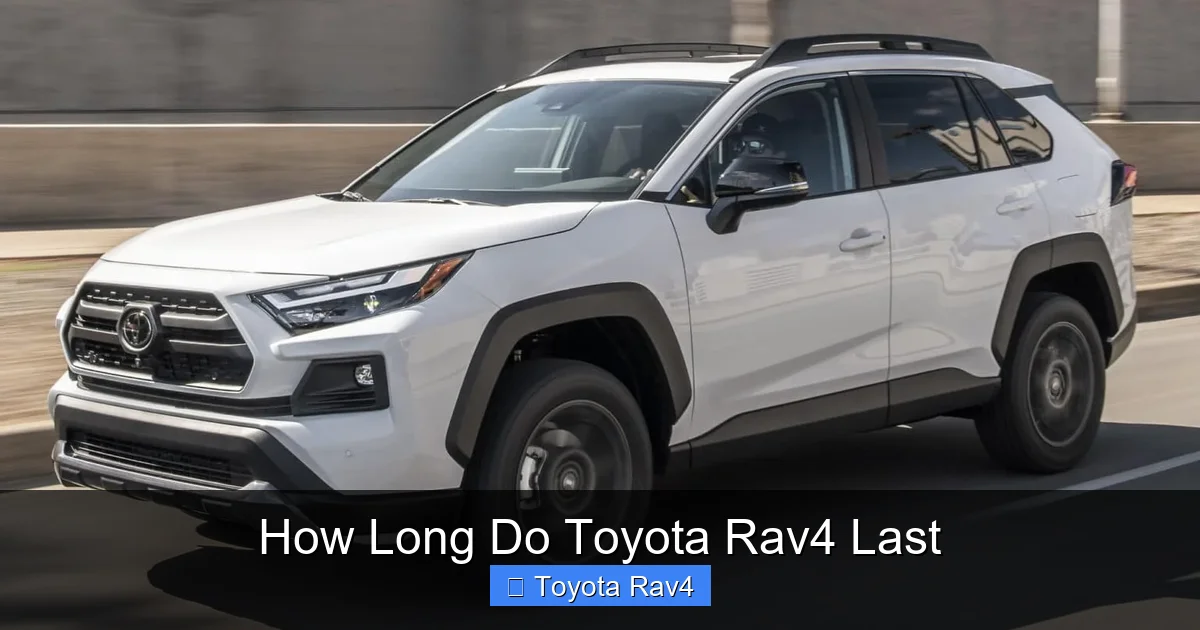
The Toyota RAV4 is one of the most reliable compact SUVs on the market, often lasting 200,000 to 300,000 miles or more with proper care. Thanks to Toyota’s reputation for durability, consistent engineering improvements, and strong resale value, the RAV4 stands out as a long-term investment for drivers seeking dependable transportation.
Key Takeaways
- Average lifespan of 200,000–300,000 miles: Most well-maintained RAV4 models easily surpass 200,000 miles, with many owners reporting 250,000+ miles.
- Reliability backed by data: Consistently high rankings from J.D. Power, Consumer Reports, and RepairPal confirm the RAV4’s long-term dependability.
- Regular maintenance is key: Following the manufacturer’s service schedule dramatically extends engine life and prevents costly repairs.
- Hybrid models offer added longevity: The RAV4 Hybrid benefits from regenerative braking and reduced engine wear, often lasting longer than gas-only versions.
- Strong resale value: High demand for used RAV4s means even high-mileage models retain significant value.
- Common issues are minor and fixable: While no vehicle is perfect, RAV4 problems like infotainment glitches or minor oil consumption are typically affordable to address.
- Proper driving habits matter: Gentle acceleration, timely oil changes, and avoiding extreme conditions help your RAV4 go the distance.
📑 Table of Contents
- Introduction: Why the Toyota RAV4 Is Built to Last
- Understanding the Average Lifespan of a Toyota RAV4
- Factors That Influence How Long a RAV4 Lasts
- Common Problems and How They Affect Longevity
- Tips to Extend the Life of Your Toyota RAV4
- The RAV4 Hybrid: A Longer-Lasting Option?
- Resale Value and Long-Term Ownership Costs
- Conclusion: The RAV4 Is Built to Go the Distance
Introduction: Why the Toyota RAV4 Is Built to Last
When you’re shopping for a compact SUV, one of the biggest questions on your mind is probably: How long will this vehicle really last? With so many options on the market, it’s easy to get overwhelmed. But if you’re looking for a vehicle that combines practicality, fuel efficiency, and long-term reliability, the Toyota RAV4 consistently rises to the top. Since its debut in 1994, the RAV4 has evolved from a quirky little off-roader into a best-selling family SUV—and its reputation for longevity has only grown stronger over time.
So, how long do Toyota RAV4 last? The short answer: a very long time. Most RAV4 owners who follow basic maintenance routines can expect their SUV to last between 200,000 and 300,000 miles—and many go even further. That’s 15 to 20 years of dependable service, depending on your driving habits and annual mileage. But the real story isn’t just about numbers. It’s about how Toyota engineers each RAV4 to withstand the test of time, from rugged suspension systems to corrosion-resistant body panels and proven powertrains.
Understanding the Average Lifespan of a Toyota RAV4
Let’s get straight to the point: the average lifespan of a Toyota RAV4 is impressive. According to data from consumer surveys, repair shops, and long-term owner reports, most RAV4 models reach 200,000 miles without major engine or transmission issues. Many continue past 250,000 miles, especially if they’ve been well cared for. Some owners have even reported hitting 300,000 miles or more—something that’s rare for SUVs in this class.
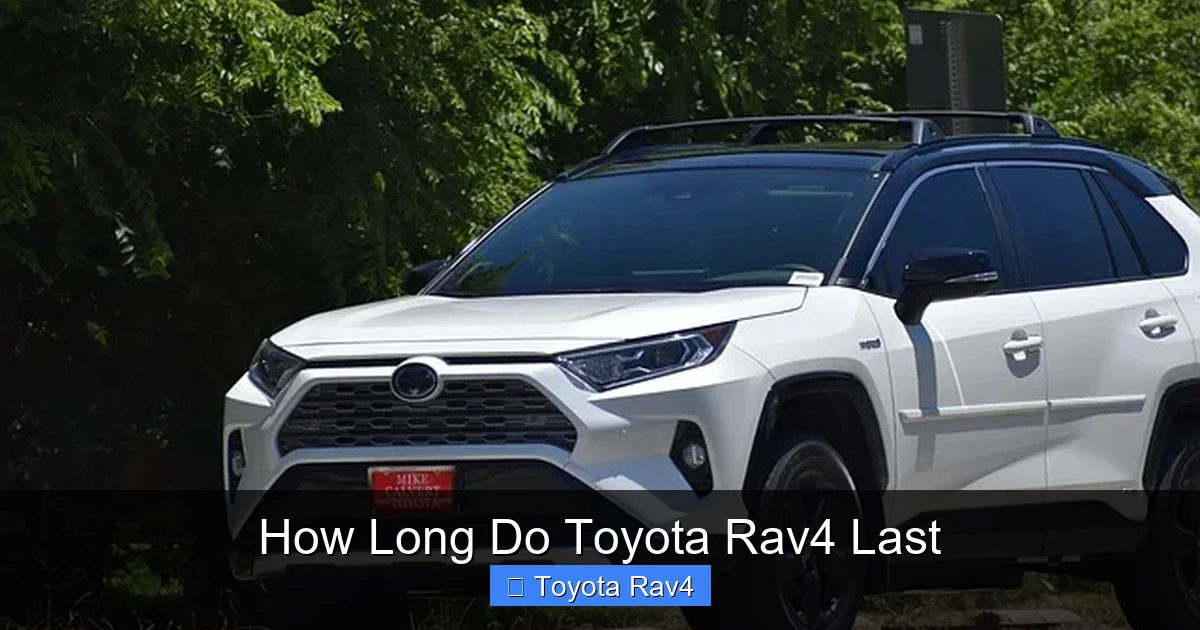
Visual guide about How Long Do Toyota Rav4 Last
Image source: copilotsearch.com
What 200,000+ Miles Really Means
Reaching 200,000 miles isn’t just a badge of honor—it’s a sign that the vehicle’s core components are built to endure. For context, the average American drives about 13,500 miles per year. That means a RAV4 hitting 200,000 miles has been on the road for nearly 15 years. And with modern vehicles lasting longer than ever, many owners are keeping their RAV4s well into their second decade.
But it’s not just about age. A RAV4’s lifespan depends heavily on how it’s driven and maintained. For example, a RAV4 used primarily for short city commutes may experience more wear on brakes and suspension than one used for highway driving. However, Toyota’s engineering helps mitigate these issues. The RAV4’s all-wheel-drive system, for instance, is designed to handle varied terrain without excessive strain on the drivetrain.
Real-World Owner Experiences
There are countless stories of RAV4 owners pushing their vehicles to extreme mileages. Take John from Ohio, who bought a 2007 RAV4 and drove it for over 310,000 miles before selling it in 2022. “I changed the oil every 5,000 miles, rotated the tires, and followed the service schedule,” he says. “The only major repair was a water pump replacement at 220,000 miles.”
Similarly, Maria from California has owned her 2013 RAV4 Hybrid for over 275,000 miles. “I drive a lot for work,” she explains. “But the hybrid system has been incredibly smooth. The battery still holds a charge, and the engine runs quietly. I expect to hit 300,000.”
These stories aren’t outliers. Online forums like Reddit, Toyota Nation, and Edmunds are filled with similar testimonials. While every vehicle will eventually show signs of aging, the RAV4’s track record suggests it’s built to go the distance.
Factors That Influence How Long a RAV4 Lasts
While the RAV4 is inherently reliable, several factors determine how long it will last. Understanding these can help you maximize your SUV’s lifespan and avoid premature breakdowns.
1. Maintenance Habits
This is the single biggest factor. A RAV4 that’s regularly serviced will almost always outlast one that’s neglected. Toyota recommends following the maintenance schedule outlined in your owner’s manual, which includes oil changes every 5,000 to 10,000 miles (depending on driving conditions), tire rotations, brake inspections, and fluid replacements.
For example, skipping oil changes can lead to sludge buildup, which damages the engine over time. Similarly, ignoring brake pad wear can result in rotor damage—costing hundreds to repair. Simple habits like checking tire pressure monthly and replacing wiper blades when needed may seem minor, but they contribute to overall longevity.
2. Driving Conditions
Where and how you drive your RAV4 matters. Frequent short trips in stop-and-go traffic put more stress on the engine and transmission than steady highway driving. Cold weather can also affect battery life and fluid viscosity, while hot climates may accelerate wear on rubber components like belts and hoses.
Off-road use, while fun, can strain the suspension and undercarriage. The RAV4 is capable on light trails, but repeated exposure to mud, rocks, and deep water increases the risk of damage. If you plan to take your RAV4 off-road, consider adding skid plates and washing the underbody after each trip to prevent corrosion.
3. Climate and Storage
Extreme temperatures—both hot and cold—can shorten a vehicle’s lifespan. In snowy regions, road salt accelerates rust on the frame and exhaust system. In desert areas, intense sun can crack dashboards and fade paint.
Storing your RAV4 in a garage or under a carport helps protect it from the elements. If that’s not possible, using a breathable car cover can reduce sun and moisture damage. In winter, using a block heater can make cold starts easier on the engine.
4. Model Year and Generation
Not all RAV4s are created equal. While the overall platform has been reliable across generations, some model years have had specific issues. For example, early 2000s RAV4s (first and second generation) were known for minor rust problems, especially in snowy climates. The 2006–2012 models (third generation) had occasional complaints about excessive oil consumption, though this was often resolved with software updates or engine revisions.
The fourth generation (2013–2018) and fifth generation (2019–present) are widely regarded as some of the most reliable. These models benefit from improved materials, better fuel efficiency, and advanced safety features. The 2019 redesign, in particular, introduced a stronger chassis, updated infotainment, and the popular RAV4 Hybrid.
5. Hybrid vs. Gas-Only Models
The RAV4 Hybrid, introduced in 2016, offers several longevity advantages. The electric motor assists the gasoline engine, reducing wear during acceleration. Regenerative braking also reduces strain on the brake pads, meaning they last longer.
Additionally, hybrid batteries in the RAV4 are designed to last the life of the vehicle. Toyota offers an 8-year/100,000-mile warranty on hybrid components, and many owners report no issues beyond that. While battery replacement can be costly (around $2,000–$4,000), it’s rare before 200,000 miles.
Common Problems and How They Affect Longevity
No vehicle is perfect, and the RAV4 is no exception. However, most issues are minor and don’t significantly impact how long a RAV4 lasts—especially if addressed early.
Infotainment System Glitches
Some owners of 2013–2018 RAV4s have reported issues with the touchscreen freezing or rebooting randomly. This is usually due to software bugs and can often be fixed with a firmware update from a Toyota dealer. While annoying, it doesn’t affect engine performance or safety.
Excessive Oil Consumption (Older Models)
Certain 2006–2012 RAV4s with the 2.4L or 2.5L engine were known to burn oil faster than average. In some cases, drivers had to add a quart every 1,000 miles. Toyota issued technical service bulletins (TSBs) and, in some cases, extended warranties for affected vehicles. If you own one of these models, regular oil level checks are essential.
Suspension and Steering Wear
Over time, components like struts, ball joints, and tie rods can wear out, especially in high-mileage RAV4s. Symptoms include a bumpy ride, uneven tire wear, or a loose steering feel. Replacing these parts typically costs $500–$1,200, depending on labor rates. While not cheap, it’s far less than a new vehicle.
Transmission Issues (Rare)
The RAV4’s automatic transmission is generally reliable, but a small number of owners have reported rough shifting or hesitation. Most cases are linked to low fluid levels or contaminated fluid. Regular transmission fluid changes (every 60,000–100,000 miles) can prevent these problems.
Rust and Corrosion
Older RAV4s, particularly those from the early 2000s, may develop surface rust on body panels or undercarriage. This is more common in regions with heavy snow and road salt. Regular washing, especially in winter, and applying rust-proofing treatments can help.
Newer models use galvanized steel and improved coatings to resist corrosion. If you live in a snowy area, consider undercoating your RAV4 every few years.
Tips to Extend the Life of Your Toyota RAV4
Want your RAV4 to last 250,000 miles or more? These practical tips can help you get there.
Follow the Maintenance Schedule
Your owner’s manual is your best friend. Stick to the recommended service intervals for oil changes, tire rotations, brake inspections, and fluid replacements. If you’re unsure, most Toyota dealerships offer free maintenance checkups.
Use Quality Fluids and Parts
Always use Toyota-approved engine oil (0W-20 synthetic is common for newer models), transmission fluid, and coolant. Cheap alternatives may save money upfront but can cause long-term damage. OEM (original equipment manufacturer) parts are also recommended for critical components like brakes and suspension.
Drive Smoothly
Aggressive driving—like rapid acceleration and hard braking—wears out your engine, transmission, and brakes faster. Try to accelerate gradually and anticipate stops. This not only extends your RAV4’s life but also improves fuel economy.
Keep It Clean
Wash your RAV4 regularly, especially in winter. Salt, dirt, and grime can accelerate rust and damage paint. Don’t forget the undercarriage—a quick rinse after driving on salted roads can prevent corrosion.
Address Issues Early
If you notice strange noises, warning lights, or performance changes, don’t ignore them. A small problem like a loose belt or low fluid level can turn into a major repair if left unchecked. Regular inspections by a trusted mechanic can catch issues before they worsen.
Upgrade When Needed
Consider upgrading wear-and-tear items like tires, wiper blades, and battery before they fail. High-quality all-season tires improve handling and safety, while a new battery (typically every 4–6 years) prevents unexpected breakdowns.
The RAV4 Hybrid: A Longer-Lasting Option?
Since its introduction, the RAV4 Hybrid has gained a reputation for exceptional durability. Thanks to its dual power source, the gasoline engine doesn’t have to work as hard, especially during city driving. This reduces wear on internal components and extends engine life.
Regenerative Braking Reduces Wear
One of the biggest advantages of the hybrid system is regenerative braking. Instead of relying solely on brake pads to slow the vehicle, the electric motor captures energy during deceleration and feeds it back to the battery. This means brake pads last significantly longer—often 80,000 to 100,000 miles or more.
Battery Longevity
Toyota’s hybrid batteries are built to last. Most RAV4 Hybrids show no signs of battery degradation before 200,000 miles. Even if the battery does eventually need replacement, it’s often covered under warranty or can be refurbished at a lower cost.
Fuel Efficiency and Engine Health
The RAV4 Hybrid averages 40 mpg in combined driving, compared to 30 mpg for the gas-only model. Less fuel burned means fewer carbon deposits in the engine, which can improve long-term performance. Plus, the hybrid’s electric motor provides instant torque, reducing strain during acceleration.
Resale Value and Long-Term Ownership Costs
Another reason the RAV4 is a smart long-term investment is its strong resale value. According to Kelley Blue Book and Edmunds, the RAV4 consistently ranks among the top compact SUVs for retained value. Even high-mileage models (150,000+ miles) sell for a premium compared to competitors.
Lower Cost of Ownership
The RAV4’s reliability translates to lower repair and maintenance costs over time. RepairPal ranks the RAV4 as one of the most affordable SUVs to maintain, with an average annual repair cost of around $400—well below the segment average.
Warranty and Extended Coverage
Toyota offers a 3-year/36,000-mile basic warranty and a 5-year/60,000-mile powertrain warranty. Many owners also purchase extended warranties or certified pre-owned (CPO) coverage, which can provide peace of mind for high-mileage driving.
Conclusion: The RAV4 Is Built to Go the Distance
So, how long do Toyota RAV4 last? The answer is clear: with proper care, most RAV4 models will easily surpass 200,000 miles, and many will reach 250,000 or more. Thanks to Toyota’s commitment to quality, continuous improvements, and a loyal owner base, the RAV4 remains one of the most dependable SUVs on the road.
Whether you choose a gas-powered model or the more efficient hybrid, the RAV4 offers a winning combination of reliability, practicality, and long-term value. By following a regular maintenance schedule, driving responsibly, and addressing issues early, you can enjoy your RAV4 for 15 years or more. It’s not just a vehicle—it’s a long-term companion for life’s adventures.
Frequently Asked Questions
How many miles can a Toyota RAV4 last?
Most Toyota RAV4 models last between 200,000 and 300,000 miles with proper maintenance. Some owners have even reported reaching 300,000+ miles, especially with hybrid models.
Is the RAV4 Hybrid more reliable than the gas version?
Yes, the RAV4 Hybrid often lasts longer due to reduced engine wear, regenerative braking, and improved fuel efficiency. The hybrid system also experiences less strain during city driving.
What are the most common problems with high-mileage RAV4s?
Common issues include infotainment glitches, minor oil consumption (in older models), suspension wear, and occasional transmission hiccups. Most are affordable to repair and don’t affect overall reliability.
How often should I service my RAV4 to maximize its lifespan?
Follow the maintenance schedule in your owner’s manual. Typically, this includes oil changes every 5,000–10,000 miles, tire rotations every 7,500 miles, and brake inspections annually.
Can a RAV4 last 20 years?
Yes, it’s possible. If driven an average of 15,000 miles per year, a RAV4 can last 20 years or more, especially with consistent maintenance and gentle driving habits.
Is it worth buying a high-mileage RAV4?
Yes, if it’s been well maintained. High-mileage RAV4s often retain strong resale value and can still provide reliable service for many more years with proper care.