

The Toyota RAV4 typically weighs between 3,370 and 3,690 pounds, depending on the model year, trim level, drivetrain, and engine type. This compact SUV balances fuel efficiency, cargo space, and performance with a weight that supports both city driving and light off-road adventures.
Key Takeaways
- Average Weight Range: Most Toyota RAV4 models weigh between 3,370 and 3,690 pounds, with newer hybrid and AWD versions on the heavier end.
- Trim and Drivetrain Impact: Higher trims like Limited or Adventure add features and weight, while AWD systems increase mass compared to FWD models.
- Hybrid vs. Gas Models: The RAV4 Hybrid is slightly heavier due to its battery and electric motors, typically adding 100–150 pounds over gas-only versions.
- Curb Weight vs. Gross Vehicle Weight: Curb weight is the vehicle’s weight without passengers or cargo; GVWR (up to 4,800 lbs) includes maximum load capacity.
- Weight Affects Performance: Heavier models may have slightly reduced fuel economy and acceleration but offer better stability in windy conditions or on rough terrain.
- Towing Capacity Linked to Weight: The RAV4 can tow up to 3,500 pounds when properly equipped, influenced by its weight distribution and drivetrain.
- Year-to-Year Variations: Weight has gradually increased over generations due to added safety features, technology, and structural reinforcements.
📑 Table of Contents
- How Much Does a Toyota RAV4 Weight? A Complete Guide
- Understanding Vehicle Weight: Curb Weight vs. Gross Weight
- Toyota RAV4 Weight by Model Year and Generation
- Weight Differences by Trim Level and Drivetrain
- How Weight Affects Performance, Fuel Economy, and Safety
- Real-World Examples: How Weight Impacts Daily Driving
- Tips for Managing Your RAV4’s Weight
- Conclusion: Why the Weight of Your RAV4 Matters
How Much Does a Toyota RAV4 Weight? A Complete Guide
If you’re considering buying a Toyota RAV4—or you already own one—you’ve probably wondered: How much does a Toyota RAV4 weight? It’s not just a random question. Knowing your vehicle’s weight helps you understand its fuel efficiency, handling, safety, towing ability, and even how it performs in different weather conditions. Whether you’re loading up for a family road trip, planning to tow a small trailer, or just curious about what’s under the hood (and under the chassis), the weight of your RAV4 plays a bigger role than you might think.
The Toyota RAV4 has evolved significantly since its debut in the mid-1990s. What started as a compact, car-based SUV has grown into one of the most popular vehicles in America—thanks to its reliability, versatility, and modern design. But with each new generation, the RAV4 has gotten a little heavier. That’s not necessarily a bad thing. Added weight often comes from improved safety structures, more advanced tech, and enhanced comfort features. Still, it’s important to know exactly what you’re driving—especially if you’re comparing models, upgrading from an older RAV4, or deciding between gas and hybrid versions.
In this guide, we’ll break down the weight of the Toyota RAV4 across different model years, trims, and configurations. We’ll explain the difference between curb weight and gross vehicle weight, explore how drivetrain and engine choices affect mass, and even share tips on how weight impacts real-world performance. By the end, you’ll have a clear picture of what your RAV4 weighs—and why it matters.
Understanding Vehicle Weight: Curb Weight vs. Gross Weight
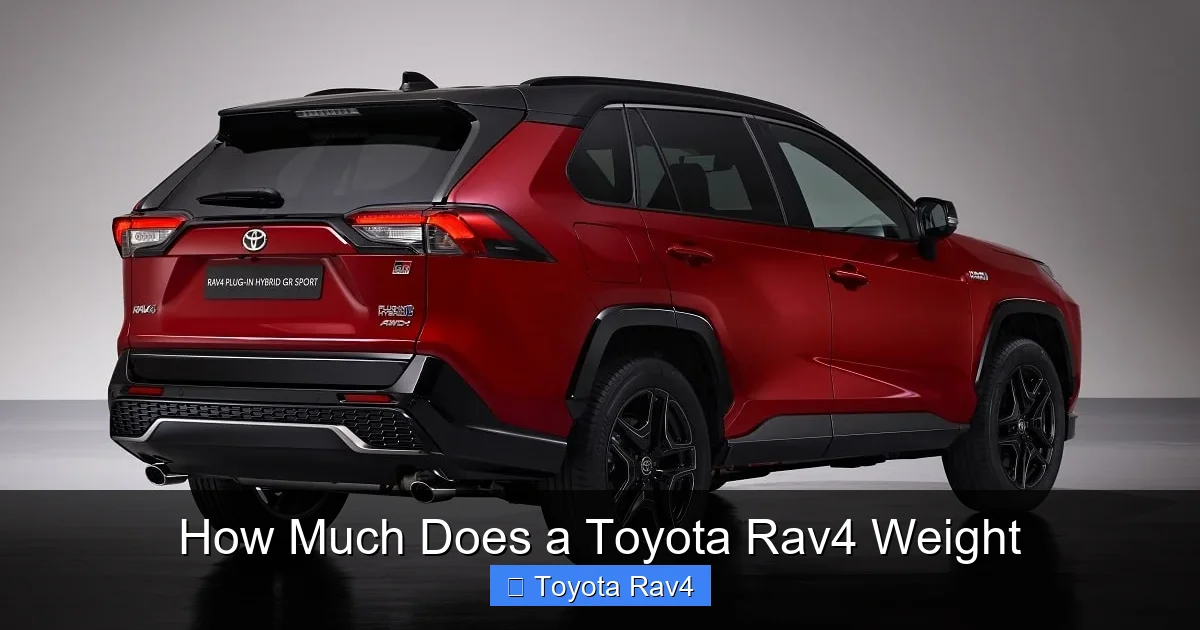
Visual guide about How Much Does a Toyota Rav4 Weight
Image source: autotijd.be
Before diving into specific numbers, it’s helpful to understand the different types of vehicle weight. Not all “weight” is created equal, and confusing terms can lead to misunderstandings about your RAV4’s capabilities.
What Is Curb Weight?
Curb weight—also known as kerb weight in some countries—is the total weight of a vehicle with all standard equipment, a full tank of fuel, and all necessary fluids (like oil and coolant), but without passengers, cargo, or driver. Think of it as the vehicle’s “ready-to-drive” weight. This is the number most commonly referenced when people ask, “How much does a Toyota RAV4 weight?”
For example, a 2023 Toyota RAV4 LE with front-wheel drive (FWD) has a curb weight of approximately 3,370 pounds. That’s the baseline. Add a driver, passengers, groceries, or camping gear, and the total weight increases.
What Is Gross Vehicle Weight Rating (GVWR)?
Gross Vehicle Weight Rating (GVWR) is the maximum total weight your RAV4 is designed to safely carry, including the vehicle itself, passengers, cargo, fuel, and any accessories. This number is set by the manufacturer and is usually found on a sticker inside the driver’s side door jamb.
For most RAV4 models, the GVWR ranges from 4,500 to 4,800 pounds. That means if your RAV4 has a curb weight of 3,500 pounds, you can safely add up to 1,300 pounds of people and stuff before hitting the limit. Exceeding GVWR can strain the suspension, brakes, and tires—and may even be illegal in some areas.
Payload Capacity: What You Can Actually Carry
Payload capacity is the difference between GVWR and curb weight. It tells you how much weight you can add in terms of passengers, luggage, and gear. For a 2023 RAV4 with a 3,500-pound curb weight and a 4,600-pound GVWR, the payload is about 1,100 pounds. That’s roughly five average-sized adults plus a few suitcases.
Keep in mind that payload includes the driver. So if you’re a 200-pound person, you only have 900 pounds left for passengers and cargo. Always check your door sticker or owner’s manual for exact numbers.
Toyota RAV4 Weight by Model Year and Generation
The weight of the Toyota RAV4 has changed over time, reflecting advancements in technology, safety, and design. Let’s take a look at how the RAV4’s weight has evolved across its five generations.
First Generation (1996–2000)
The original RAV4 was a lightweight, nimble SUV designed to feel more like a car than a truck. Early models weighed between 2,600 and 2,800 pounds, depending on whether they were two-door or four-door and equipped with FWD or AWD. These early RAV4s were built on a modified Corolla platform, which kept weight down but limited interior space and power.
Second Generation (2001–2005)
With the second generation, Toyota increased the RAV4’s size and capability. Weight rose to around 2,900–3,200 pounds. The introduction of a V6 engine option in later years added even more mass, pushing some models close to 3,400 pounds. This generation also saw the first use of a more robust chassis, improving ride quality and safety.
Third Generation (2006–2012)
The third-gen RAV4 grew significantly in size and weight. Curb weights ranged from 3,200 to 3,600 pounds. This generation introduced a longer wheelbase, more interior space, and optional third-row seating (in some markets). The added weight came from stronger body structures, more sound insulation, and larger engines.
Fourth Generation (2013–2018)
Toyota refined the RAV4’s design with a more aerodynamic look and improved fuel efficiency. Weight remained relatively stable, averaging 3,400–3,600 pounds. The removal of the spare tire from under the rear door (in most models) helped reduce weight slightly, but added tech features like touchscreen infotainment and advanced safety systems balanced it out.
Fifth Generation (2019–Present)
The current generation RAV4, introduced in 2019, is the heaviest yet—but also the most capable. Weights range from 3,370 to 3,690 pounds. This generation features a completely redesigned platform (Toyota New Global Architecture), which improves rigidity and safety. The RAV4 Hybrid and RAV4 Prime plug-in hybrid are slightly heavier due to their battery packs and electric motors.
Weight Differences by Trim Level and Drivetrain
Not all RAV4s are created equal—even within the same model year. Trim level and drivetrain (FWD vs. AWD) can significantly affect how much your RAV4 weighs.
Front-Wheel Drive (FWD) vs. All-Wheel Drive (AWD)
AWD systems add weight because they include additional components like a rear differential, driveshaft, and transfer case. On average, an AWD RAV4 is about 100–150 pounds heavier than its FWD counterpart.
For example:
– 2023 RAV4 LE FWD: 3,370 lbs
– 2023 RAV4 LE AWD: 3,480 lbs
That extra weight can slightly reduce fuel economy—typically by 1–2 MPG—but improves traction in rain, snow, or light off-road conditions.
Trim Level Impact on Weight
Higher trims come with more features, and more features mean more weight. Things like leather seats, panoramic sunroofs, larger wheels, and advanced driver-assistance systems all add mass.
Here’s a breakdown of approximate curb weights for the 2023 RAV4 by trim:
– LE: 3,370 lbs (FWD), 3,480 lbs (AWD)
– XLE: 3,400 lbs (FWD), 3,510 lbs (AWD)
– XLE Premium: 3,420 lbs (FWD), 3,530 lbs (AWD)
– Adventure: 3,550 lbs (AWD only)
– TRD Off-Road: 3,570 lbs (AWD only)
– Limited: 3,590 lbs (AWD only)
The Adventure and TRD Off-Road trims are heavier due to off-road enhancements like skid plates, all-terrain tires, and reinforced suspension components. The Limited trim adds luxury features like heated and ventilated seats, a premium JBL audio system, and a power moonroof—all of which contribute to the higher weight.
Hybrid and Plug-In Hybrid Models
The RAV4 Hybrid and RAV4 Prime (plug-in hybrid) are heavier than their gas-only siblings because of their battery packs and electric motors.
– 2023 RAV4 Hybrid LE: 3,625 lbs
– 2023 RAV4 Hybrid Limited: 3,690 lbs
– 2023 RAV4 Prime: 4,000+ lbs (due to larger battery)
Despite the added weight, the hybrid models offer better fuel economy—up to 40 MPG combined—thanks to the efficiency of the electric motor assisting the gasoline engine. The RAV4 Prime, with its 42-mile electric-only range, is the heaviest but also the most technologically advanced.
How Weight Affects Performance, Fuel Economy, and Safety
So, why does the weight of a Toyota RAV4 matter? It influences nearly every aspect of how the vehicle drives and performs.
Fuel Economy
Heavier vehicles require more energy to move, which typically means lower fuel economy. However, Toyota has worked hard to offset the RAV4’s increasing weight with efficient engines and hybrid technology.
For example:
– 2023 RAV4 FWD: 28 MPG city / 35 MPG highway
– 2023 RAV4 AWD: 27 MPG city / 34 MPG highway
– 2023 RAV4 Hybrid: 41 MPG city / 38 MPG highway
Even though the hybrid is heavier, its electric motor reduces the load on the gasoline engine, resulting in better mileage. The key takeaway? Weight isn’t the only factor in fuel economy—engine efficiency and aerodynamics matter too.
Handling and Ride Quality
A heavier vehicle tends to feel more stable at highway speeds and in windy conditions. The current RAV4’s increased weight contributes to a smoother, more planted ride compared to earlier, lighter models.
However, extra weight can make the RAV4 feel less agile in tight city driving or when making quick lane changes. The suspension is tuned to balance comfort and control, but drivers who prefer a sportier feel might notice the difference.
Braking and Stopping Distance
More weight means the brakes have to work harder to stop the vehicle. Toyota equips the RAV4 with robust braking systems, including electronic brake-force distribution and brake assist, to maintain safe stopping distances.
Still, it’s important to remember that a fully loaded RAV4 (near GVWR) will take longer to stop than one with just the driver. Always maintain a safe following distance, especially when carrying heavy loads.
Towing Capacity
The RAV4’s towing capacity is directly related to its weight and drivetrain. Most 2023 RAV4 models can tow up to 1,500 pounds with FWD and 3,500 pounds with AWD when properly equipped.
The added weight of the AWD system and stronger cooling components allows for higher towing capacity. If you plan to tow a small trailer, boat, or camper, opt for an AWD model and ensure you have the towing package installed.
Safety and Crash Protection
Heavier vehicles often perform better in crashes, especially when colliding with lighter vehicles. The RAV4’s increased weight comes partly from high-strength steel in the frame, which improves crash protection.
The 2023 RAV4 earned a Top Safety Pick+ rating from the IIHS, thanks in part to its robust structure and advanced safety features like automatic emergency braking and lane-keeping assist. While no one wants to be in a crash, the RAV4’s weight and design help protect you if it happens.
Real-World Examples: How Weight Impacts Daily Driving
Let’s put the numbers into context with a few real-world scenarios.
Family Road Trip
Imagine you’re loading up the RAV4 for a weekend getaway. You’ve got two adults (300 lbs total), two kids (150 lbs), and luggage (200 lbs). That’s 650 pounds of payload. Add that to a 3,500-pound curb weight, and you’re at 4,150 pounds—well within the GVWR of most models.
But if you add a rooftop cargo box with gear, you could easily reach 800–900 pounds of payload. That’s why it’s crucial to check your door sticker and avoid overloading. Too much weight can affect handling, increase braking distance, and reduce fuel economy.
Winter Driving
In snowy or icy conditions, a heavier vehicle can be an advantage. The RAV4’s weight helps it maintain traction, especially with AWD. However, weight alone won’t save you from slippery roads—proper tires and cautious driving are essential.
Some drivers add sandbags in the trunk during winter for extra grip, but be mindful of payload limits. A few hundred pounds of sand can quickly eat into your available capacity.
Off-Road Adventures
The RAV4 isn’t a full-size off-roader, but the Adventure and TRD Off-Road trims are built for light trails. Their added weight from skid plates and reinforced suspension helps protect the underbody and improves durability.
Still, the RAV4’s weight distribution and ground clearance limit its capability compared to trucks or Jeep Wranglers. Stick to moderate trails and avoid extreme terrain.
Tips for Managing Your RAV4’s Weight
Whether you’re trying to improve fuel economy, prepare for towing, or just keep your vehicle in top shape, here are some practical tips:
– Check Your Payload: Always know your GVWR and curb weight. Use a bathroom scale to weigh heavy items before loading.
– Remove Unnecessary Items: Avoid keeping heavy gear in the car year-round. A full toolbox or sports equipment can add 50–100 pounds.
– Use Roof Racks Wisely: Roof cargo increases wind resistance and raises the center of gravity. Keep loads light and secure.
– Maintain Proper Tire Pressure: Underinflated tires increase rolling resistance, reducing fuel economy and increasing wear.
– Consider Weight Distribution: Load heavy items low and centered in the cargo area to improve stability.
– Upgrade to Efficient Tires: Low-rolling-resistance tires can help offset the impact of weight on fuel economy.
Conclusion: Why the Weight of Your RAV4 Matters
So, how much does a Toyota RAV4 weight? The answer depends on the year, trim, drivetrain, and engine—but most models fall between 3,370 and 3,690 pounds. That weight isn’t just a number on a spec sheet. It affects how your RAV4 drives, how much it costs to fuel, how safe it is, and what it can do.
From its humble beginnings as a lightweight compact SUV to its current status as a feature-packed, hybrid-powered family hauler, the RAV4 has grown—literally. But that growth has brought benefits: better safety, more comfort, and improved capability. The added weight is a trade-off for modern convenience and performance.
Whether you’re driving a base LE or a fully loaded RAV4 Prime, understanding your vehicle’s weight helps you make smarter decisions. It ensures you stay within safe limits, get the best fuel economy, and enjoy every mile behind the wheel.
The Toyota RAV4 proves that bigger—and heavier—doesn’t have to mean worse. With smart engineering and thoughtful design, it delivers the right balance of size, strength, and efficiency. And now that you know how much it weighs, you can appreciate just how well it’s built to handle whatever life throws your way.
Frequently Asked Questions
What is the average weight of a Toyota RAV4?
The average weight of a Toyota RAV4 ranges from 3,370 to 3,690 pounds, depending on the model year, trim, and drivetrain. Newer hybrid and AWD models tend to be on the heavier end of that range.
Is the RAV4 Hybrid heavier than the gas model?
Yes, the RAV4 Hybrid is typically 100–150 pounds heavier than the gas-only version due to its battery pack and electric motors. For example, the 2023 RAV4 Hybrid LE weighs about 3,625 pounds compared to 3,370 pounds for the gas LE.
Does AWD make the RAV4 heavier?
Yes, all-wheel drive (AWD) adds approximately 100–150 pounds to the RAV4’s weight because of the additional mechanical components like the rear differential and driveshaft. This slightly reduces fuel economy but improves traction.
What is the GVWR of a Toyota RAV4?
The Gross Vehicle Weight Rating (GVWR) for most Toyota RAV4 models ranges from 4,500 to 4,800 pounds. This includes the vehicle’s weight plus passengers, cargo, and fuel. Always check the door jamb sticker for your specific model.
Can the weight of a RAV4 affect its towing capacity?
Yes, the RAV4’s weight and drivetrain influence its towing capacity. AWD models can tow up to 3,500 pounds when properly equipped, while FWD models are limited to 1,500 pounds. Heavier builds with stronger cooling systems support higher towing limits.
Has the RAV4 gotten heavier over the years?
Yes, the Toyota RAV4 has gradually increased in weight with each generation due to added safety features, technology, and structural improvements. Early models weighed under 3,000 pounds, while current models exceed 3,600 pounds in some trims.