
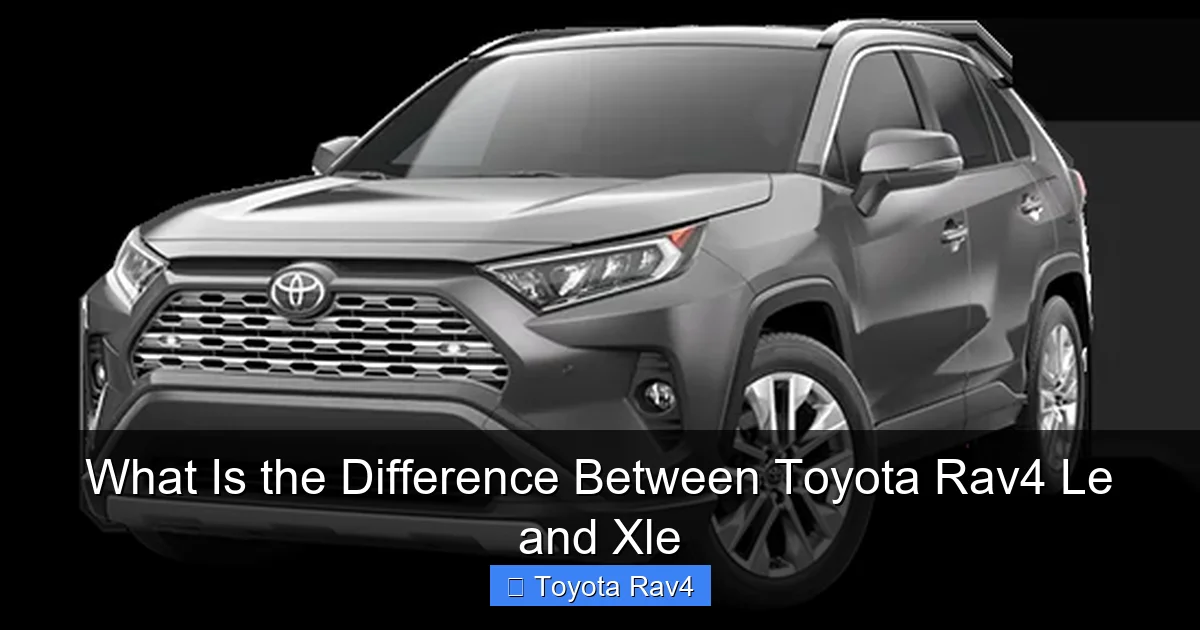
The Toyota RAV4 LE and XLE are two popular trims that offer great value, but they differ in features, comfort, and price. While the LE is a budget-friendly base model with essential tech and safety, the XLE adds premium upgrades like dual-zone climate control, upgraded upholstery, and more convenience features—making it ideal for drivers who want a little extra comfort without going luxury.
Choosing the right Toyota RAV4 trim can feel overwhelming, especially when you’re deciding between two of the most popular options: the RAV4 LE and the RAV4 XLE. Both are excellent compact SUVs with Toyota’s reputation for reliability, fuel efficiency, and safety. But what really sets them apart? Is the XLE worth the extra cost, or does the LE offer everything you need at a lower price?
In this detailed guide, we’ll break down the key differences between the Toyota RAV4 LE and XLE across multiple categories—including price, interior features, technology, exterior design, safety, and overall driving experience. Whether you’re a first-time car buyer, upgrading from an older vehicle, or just comparing options, this article will help you make an informed decision. We’ll keep it simple, practical, and jargon-free—just like chatting with a knowledgeable friend who’s done the research for you.
Key Takeaways
- Price Difference: The RAV4 XLE typically costs $2,000–$3,000 more than the LE, offering better value for the added features.
- Interior Comfort: The XLE includes SofTex-trimmed seats, dual-zone automatic climate control, and a power-adjustable driver’s seat—features not available on the LE.
- Technology Upgrades: The XLE comes with an 8-inch touchscreen (vs. 7-inch on LE), wireless Apple CarPlay, and available wireless charging.
- Exterior Styling: The XLE adds LED fog lights, roof rails, and 17-inch alloy wheels, giving it a more refined look.
- Safety Features: Both trims include Toyota Safety Sense 2.0, but the XLE offers optional blind-spot monitoring and rear cross-traffic alert.
- Fuel Efficiency: Both trims have nearly identical fuel economy, so the choice won’t impact your gas mileage.
- Best for Whom: The LE suits budget-conscious buyers; the XLE is better for those wanting comfort and convenience without a luxury price tag.
📑 Table of Contents
Overview of the Toyota RAV4 LE and XLE
The Toyota RAV4 has been a top-selling compact SUV for years, and for good reason. It blends practicality, fuel efficiency, and modern tech in a stylish package. Within the RAV4 lineup, the LE and XLE are the two most accessible trims, making them favorites among everyday drivers. But while they share the same engine, platform, and core safety features, their differences become clear when you look closer.
The RAV4 LE is the base model—ideal for buyers who want a reliable, no-frills SUV with essential features. It’s perfect for city driving, daily commutes, and families on a budget. On the other hand, the RAV4 XLE builds on the LE with a host of comfort and convenience upgrades. It’s still affordable compared to higher trims like the XLE Premium or Limited, but it offers a noticeable step up in refinement.
Both trims come with front-wheel drive (FWD) as standard, with all-wheel drive (AWD) available as an option. They’re powered by the same 2.5-liter four-cylinder engine producing 203 horsepower, paired with an 8-speed automatic transmission. So, performance and fuel economy are nearly identical—your choice really comes down to features and comfort.
Price and Value Comparison
One of the first things buyers notice is the price difference between the RAV4 LE and XLE. As of 2024, the starting MSRP for the RAV4 LE is around $28,000, while the XLE begins at approximately $30,500. That’s a difference of about $2,500—not insignificant, but often worth it depending on your needs.
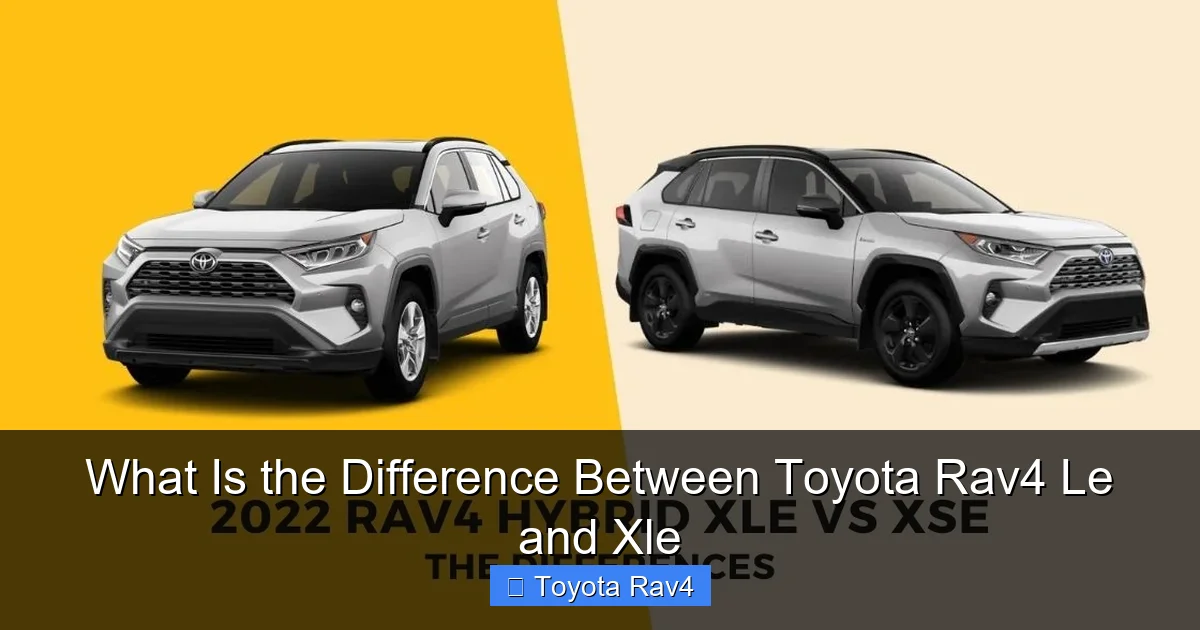
Visual guide about What Is the Difference Between Toyota Rav4 Le and Xle
Image source: evto.ca
What You Get for the Extra $2,500
For that additional cost, the XLE delivers a noticeable upgrade in comfort, convenience, and style. Here’s a quick breakdown of what you’re paying for:
- Premium Interior Materials: The XLE features SofTex-trimmed seats (a synthetic leather that’s durable and easy to clean), while the LE uses cloth upholstery.
- Dual-Zone Automatic Climate Control: The XLE lets the driver and front passenger set their own temperature preferences—great for couples or families with different comfort needs.
- Power-Adjustable Driver’s Seat: The XLE includes an 8-way power-adjustable driver’s seat with lumbar support, a big upgrade over the manual adjustments on the LE.
- Larger Touchscreen: The XLE comes standard with an 8-inch infotainment display, compared to the 7-inch screen on the LE.
- Exterior Enhancements: LED fog lights, roof rails, and 17-inch alloy wheels give the XLE a more upscale appearance.
When you add it all up, the XLE offers a strong value proposition. It’s not a luxury vehicle, but it feels more refined and comfortable—especially on longer drives or in varying weather conditions.
Financing and Long-Term Value
Even with the higher upfront cost, the XLE may hold its value better over time. According to industry reports, higher trims like the XLE tend to have better resale value than base models. So, if you plan to sell or trade in your RAV4 in a few years, the XLE could pay for itself in depreciation savings.
Additionally, many buyers find that the added comfort and features make daily driving more enjoyable—something that’s hard to put a price on. If you spend a lot of time in your car, those small upgrades can make a big difference in your overall satisfaction.
Interior Features and Comfort
The interior is where the RAV4 LE and XLE really start to diverge. While both offer a spacious cabin with ample headroom and legroom, the XLE steps up the game with materials, controls, and convenience features that enhance the driving experience.
Seating and Upholstery
The LE comes with durable cloth seats that are easy to maintain and resist stains—perfect for families with kids or pets. They’re comfortable for short trips, but some drivers find them less supportive on longer drives.
The XLE, however, upgrades to SofTex-trimmed seats, which look and feel more premium. SofTex is Toyota’s synthetic leather, offering the appearance of real leather without the high cost or maintenance. It’s also more breathable and resistant to wear, making it ideal for daily use. Plus, the XLE’s driver’s seat is power-adjustable with lumbar support, allowing for a more personalized and comfortable driving position.
Climate Control
Climate control is another area where the XLE shines. The LE has a manual air conditioning system with basic controls—functional, but not particularly advanced. The XLE, on the other hand, includes dual-zone automatic climate control. This means the driver and front passenger can set their own temperature zones, so one person can stay cool while the other stays warm. It’s a small luxury that makes a big difference, especially in extreme weather.
Storage and Practicality
Both trims offer generous cargo space—37.5 cubic feet behind the rear seats and up to 69.8 cubic feet with the seats folded. However, the XLE includes a few extra storage touches, like a center console with more compartments and optional rear-seat USB ports for charging devices.
The XLE also offers an available power liftgate (standard on higher trims, optional on XLE), which is incredibly convenient when your hands are full. The LE does not offer this feature, so you’ll need to manually open and close the tailgate.
Technology and Infotainment
Technology is a major differentiator between the RAV4 LE and XLE. While both trims come with Toyota’s latest infotainment system, the XLE offers a more advanced setup with better connectivity and user experience.
Infotainment Display
The LE features a 7-inch touchscreen with Apple CarPlay and Android Auto compatibility. It’s functional and easy to use, but the smaller screen can feel cramped, especially when navigating or using split-screen features.
The XLE upgrades to an 8-inch touchscreen, which provides more space for maps, media, and apps. The larger display is easier to read at a glance and makes the system feel more modern. It also supports wireless Apple CarPlay (a feature not available on the LE), so you can connect your iPhone without plugging in a cable—great for keeping your phone charged and clutter-free.
Audio and Connectivity
Both trims come with a 6-speaker audio system, but the XLE offers an optional upgrade to a premium JBL sound system (available on higher trims). The XLE also includes wireless charging as an available option, allowing you to charge compatible smartphones without cables.
Additionally, the XLE comes with more USB ports—including rear-seat USB-A and USB-C ports—so passengers can keep their devices powered during long trips. The LE has fewer ports, which can be a limitation for families or frequent travelers.
Digital Instrument Cluster
Another subtle but useful upgrade on the XLE is the 7-inch digital instrument cluster (optional). This display replaces the traditional analog gauges with a customizable screen that shows navigation, audio, and vehicle information. The LE uses a basic analog cluster with a small digital display, which feels dated in comparison.
Exterior Design and Styling
While both the RAV4 LE and XLE share the same bold, rugged design language, the XLE adds several exterior enhancements that give it a more polished and upscale appearance.
Wheels and Tires
The LE comes with 17-inch steel wheels with wheel covers, which are functional but not particularly stylish. The XLE upgrades to 17-inch alloy wheels, which look more modern and sporty. Alloy wheels are also lighter than steel, which can slightly improve handling and fuel efficiency.
Lighting
Lighting is another area where the XLE stands out. The LE has standard halogen headlights, while the XLE includes LED headlights and LED fog lights. LED lights are brighter, last longer, and use less energy—making them safer and more efficient, especially in low-visibility conditions.
Roof Rails and Body Trim
The XLE comes standard with roof rails, which are great for adding cargo carriers, bike racks, or luggage boxes. The LE does not include roof rails, so you’d need to install them separately if you want that functionality.
The XLE also features body-colored door handles and mirror caps, giving it a more cohesive and refined look. The LE has black plastic handles and mirrors, which are durable but less stylish.
Safety and Driver Assistance Features
Safety is a top priority for Toyota, and both the RAV4 LE and XLE come standard with Toyota Safety Sense 2.0 (TSS 2.0), a suite of advanced driver assistance systems. This includes:
- Pre-Collision System with Pedestrian Detection
- Lane Departure Alert with Steering Assist
- Automatic High Beams
- Full-Speed Range Dynamic Radar Cruise Control
- Road Sign Assist
These features work together to help prevent accidents and reduce driver fatigue, making both trims excellent choices for safety-conscious buyers.
Additional Safety Options on the XLE
While the core safety suite is the same, the XLE offers more advanced optional features. For example, the XLE can be equipped with Blind Spot Monitor (BSM) and Rear Cross-Traffic Alert (RCTA), which are not available on the LE. These systems use sensors to detect vehicles in your blind spots and warn you when reversing out of parking spaces—extremely useful in busy lots or tight garages.
The XLE also offers an optional 360-degree camera system, which provides a bird’s-eye view of the vehicle for easier parking and maneuvering. This is especially helpful for new drivers or those navigating tight spaces.
Crash Test Ratings
Both trims have earned top safety ratings from the National Highway Traffic Safety Administration (NHTSA) and the Insurance Institute for Highway Safety (IIHS). The RAV4 consistently earns “Top Safety Pick” awards, thanks to its strong structure and comprehensive safety tech.
Performance and Fuel Economy
When it comes to performance, the RAV4 LE and XLE are virtually identical. Both are powered by the same 2.5-liter Dynamic Force four-cylinder engine producing 203 horsepower and 184 lb-ft of torque. This engine is paired with an 8-speed automatic transmission and delivers smooth, responsive power for daily driving.
Front-Wheel Drive vs. All-Wheel Drive
Both trims offer front-wheel drive (FWD) as standard, with all-wheel drive (AWD) available as an option. The AWD system, called Dynamic Torque Vectoring AWD, improves traction and stability in slippery conditions like rain, snow, or gravel. It’s a worthwhile upgrade if you live in an area with harsh weather.
The AWD system adds about 100 pounds to the vehicle and slightly reduces fuel economy, but the difference is minimal—especially compared to the added confidence it provides.
Fuel Efficiency
Fuel economy is nearly the same across both trims:
- LE FWD: 27 mpg city / 35 mpg highway
- LE AWD: 25 mpg city / 33 mpg highway
- XLE FWD: 27 mpg city / 35 mpg highway
- XLE AWD: 25 mpg city / 33 mpg highway
As you can see, there’s no real difference in fuel economy between the LE and XLE. So, your choice won’t impact your gas budget—making the decision even more about features and comfort.
Which One Should You Choose?
So, which trim is right for you? The answer depends on your budget, lifestyle, and priorities.
If you’re looking for a budget-friendly, no-nonsense SUV that gets you from point A to point B with reliability and efficiency, the RAV4 LE is a solid choice. It’s perfect for students, first-time buyers, or anyone who values simplicity and low cost of ownership.
However, if you’re willing to spend a little more for added comfort, convenience, and style, the RAV4 XLE is well worth the investment. It’s ideal for families, commuters, and anyone who spends a lot of time in their car. The upgrades in seating, climate control, technology, and safety make daily driving more enjoyable and less stressful.
Think of it this way: the LE is like a reliable pair of sneakers—functional and comfortable for everyday use. The XLE is like a pair of premium walking shoes—still practical, but with better cushioning, support, and style.
Ultimately, both trims offer excellent value, but the XLE provides a more refined experience that many drivers find worth the extra cost.
Final Thoughts
The Toyota RAV4 LE and XLE are two of the most popular trims in the compact SUV segment, and for good reason. They offer a winning combination of reliability, fuel efficiency, and modern features. While the LE is a great entry point into the RAV4 lineup, the XLE delivers meaningful upgrades that enhance comfort, convenience, and overall driving satisfaction.
When deciding between the two, consider how much you value things like premium materials, advanced tech, and extra safety features. If you’re on a tight budget, the LE won’t let you down. But if you can stretch your budget by a few thousand dollars, the XLE offers a noticeably better experience that many owners say is worth every penny.
Take a test drive in both trims if possible. Sit in the driver’s seat, adjust the climate controls, and try out the infotainment system. You’ll quickly notice the differences—and that hands-on experience will help you make the best choice for your needs.
Frequently Asked Questions
Is the Toyota RAV4 XLE worth the extra cost over the LE?
Yes, for most buyers, the XLE is worth the extra $2,500. It adds premium features like SofTex seats, dual-zone climate control, a larger touchscreen, and LED lights—making it more comfortable and convenient for daily use.
Do the RAV4 LE and XLE have the same engine?
Yes, both trims use the same 2.5-liter four-cylinder engine with 203 horsepower and an 8-speed automatic transmission. Performance and fuel economy are nearly identical.
Can I get all-wheel drive on both the LE and XLE?
Yes, all-wheel drive is available as an option on both trims. It’s a great upgrade if you live in an area with snow, rain, or rough terrain.
Does the RAV4 LE have Apple CarPlay?
Yes, the LE comes with Apple CarPlay and Android Auto, but it requires a wired connection. The XLE offers wireless Apple CarPlay as an option.
What safety features do the LE and XLE share?
Both trims include Toyota Safety Sense 2.0, which features automatic emergency braking, lane departure warning, adaptive cruise control, and more. The XLE offers additional optional safety tech like blind-spot monitoring.
Which trim has better resale value?
The XLE typically holds its value better than the LE due to its higher trim level and added features, making it a smarter long-term investment.