
Understanding A/T oil temp in your Toyota RAV4 is key to maintaining a healthy transmission. This guide explains what the warning light means, how to monitor fluid temperature, and simple steps to prevent overheating and costly repairs.
If you’ve ever been driving your Toyota RAV4 and noticed a warning light pop up on the dashboard—maybe something that looks like “A/T OIL TEMP”—you might have wondered, “What does that even mean?” Don’t panic. You’re not alone. Many RAV4 owners, especially those who use their SUV for towing, off-roading, or daily commuting in hot climates, have seen this light. And while it can be alarming, understanding what it means and how to respond can save you from expensive transmission repairs down the road.
The A/T oil temp warning light is your RAV4’s way of saying, “Hey, the transmission fluid is getting too hot.” Automatic transmission fluid (ATF) plays a crucial role in keeping your transmission cool, lubricated, and functioning smoothly. When the fluid overheats, it breaks down, loses its protective properties, and can cause serious internal damage. Think of it like engine oil—if it gets too hot or dirty, your engine suffers. The same goes for your transmission. The good news? Most overheating issues are preventable with a little knowledge and routine care.
In this guide, we’ll walk you through everything you need to know about A/T oil temp in your Toyota RAV4—from what causes it to rise, how to monitor it, and what steps you can take to keep your transmission running cool and reliable for years to come. Whether you’re a weekend adventurer, a daily commuter, or someone who just wants to keep their RAV4 in top shape, this information is essential.
Key Takeaways
- What A/T oil temp means: It refers to the automatic transmission fluid temperature in your RAV4, which must stay within a safe range to prevent damage.
- Warning signs to watch for: The A/T oil temp light on your dashboard indicates overheating—don’t ignore it, as it can lead to transmission failure.
- Common causes of overheating: Heavy towing, stop-and-go traffic, low fluid levels, or a failing cooler can all raise transmission temperatures.
- How to monitor and maintain: Regularly check fluid levels, inspect for leaks, and consider installing an aftermarket temperature gauge for peace of mind.
- Preventive maintenance tips: Change your transmission fluid every 30,000–60,000 miles, use the right type of fluid, and avoid overloading your RAV4.
- When to see a mechanic: If the light stays on or you notice slipping gears, burning smells, or delayed shifting, get professional help immediately.
- RAV4-specific considerations: Models from 2013 onward often have built-in transmission coolers and better thermal management, but older models may need extra care.
📑 Table of Contents
What Is A/T Oil Temp and Why Does It Matter?
The term “A/T oil temp” stands for automatic transmission oil temperature. In simpler terms, it’s the temperature of the fluid that keeps your RAV4’s transmission working properly. This fluid does more than just lubricate—it also cools internal components, transfers power, and helps shift gears smoothly. When the fluid gets too hot, usually above 220°F (104°C), it starts to degrade. Over time, this can lead to sludge buildup, seal damage, and even complete transmission failure.
Most modern Toyota RAV4s are equipped with a transmission temperature sensor that monitors fluid heat. If the system detects that the temperature is rising beyond safe limits, it triggers the A/T oil temp warning light on your dashboard. This light often appears as a yellow or red icon with “A/T OIL TEMP” or a transmission symbol. It’s not something to ignore. While your RAV4 might still drive normally at first, prolonged overheating can cause irreversible damage.
Why does this matter so much? Because the transmission is one of the most complex and expensive parts of your vehicle to repair or replace. A full transmission rebuild can cost thousands of dollars—far more than the cost of regular maintenance. By paying attention to your A/T oil temp, you’re not just protecting a component; you’re protecting your wallet and your vehicle’s long-term reliability.
Common Causes of High A/T Oil Temp in the RAV4

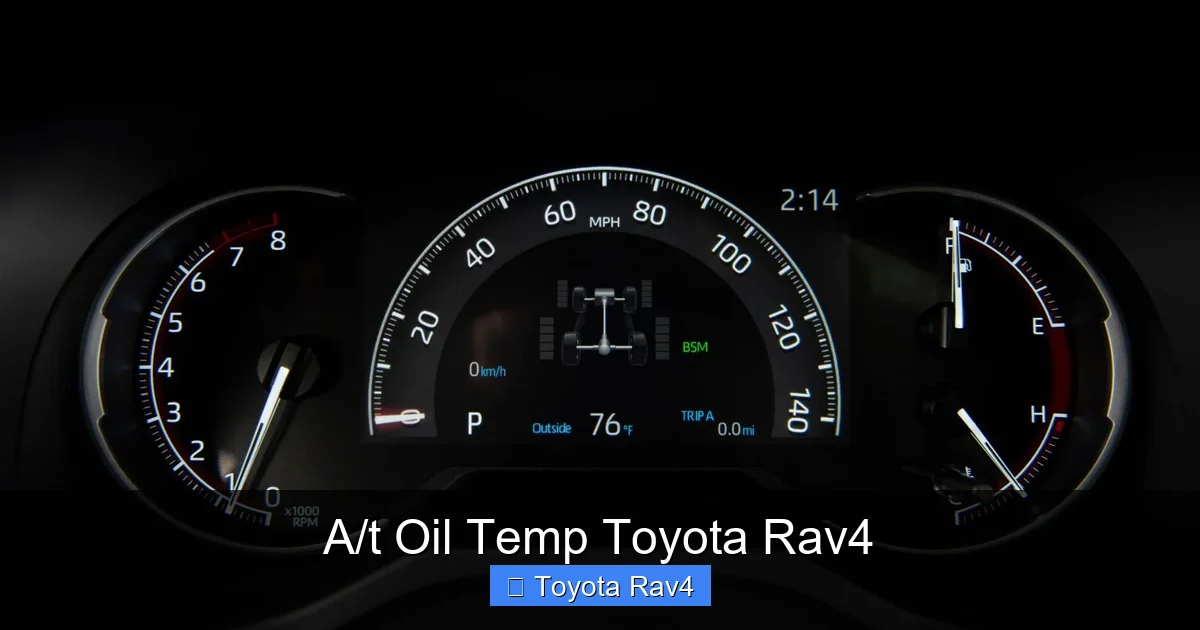
Visual guide about A/t Oil Temp Toyota Rav4
Image source: rav4resource.com
There are several reasons why your RAV4’s transmission fluid might overheat. Some are related to driving habits, while others stem from mechanical issues or lack of maintenance. Let’s break down the most common causes.
Driving Conditions and Habits
One of the biggest culprits is aggressive or demanding driving. If you frequently tow a trailer, haul heavy loads, or drive in mountainous terrain, your transmission has to work harder. This generates more heat, especially if your RAV4 doesn’t have an auxiliary transmission cooler. Similarly, stop-and-go city driving—like sitting in traffic during summer—can cause fluid temperatures to climb because the transmission is constantly shifting and the cooling system isn’t getting enough airflow.
For example, imagine you’re driving your RAV4 up a steep hill with a small camper in tow on a 90°F day. The transmission is under constant strain, and the fluid heats up quickly. Without proper cooling, the temperature can spike past safe levels in just a few minutes. That’s when the A/T oil temp light might come on.
Low or Degraded Transmission Fluid
Transmission fluid doesn’t last forever. Over time, it breaks down due to heat, contamination, and normal wear. When the fluid level is low or the fluid is old and dirty, it can’t absorb and transfer heat effectively. This leads to overheating. Low fluid levels can also cause air pockets in the system, which reduce lubrication and increase friction—another recipe for high temperatures.
A simple way to check is to look at the transmission dipstick (if your RAV4 has one—some newer models don’t). The fluid should be bright red or pink and have a slightly sweet smell. If it’s dark brown, smells burnt, or has debris, it’s time for a change.
Faulty Transmission Cooler or Radiator
Your RAV4’s transmission cooler is usually built into the radiator or mounted separately. Its job is to cool the transmission fluid as it circulates. If the cooler is clogged, leaking, or malfunctioning, the fluid won’t cool properly. This is especially common in older RAV4s or vehicles that have been driven in dusty or muddy conditions.
For instance, if you’ve recently driven through deep water or off-road trails, debris might have blocked the cooler fins. This restricts airflow and reduces cooling efficiency. Over time, this can lead to chronic overheating, even during normal driving.
Worn or Slipping Transmission Components
Internal wear—like worn clutch plates, faulty solenoids, or a failing torque converter—can cause the transmission to work harder than it should. This extra effort generates excess heat. You might notice symptoms like delayed shifting, slipping gears, or a burning smell. If left unchecked, these issues can trigger the A/T oil temp warning.
Aftermarket Modifications or Towing Without Upgrades
If you’ve added a roof rack, lifted your RAV4, or installed larger tires, you may have increased the strain on your transmission. Similarly, towing near or above your vehicle’s maximum capacity without an auxiliary cooler can push the transmission beyond its limits. Always check your owner’s manual for towing specs and consider upgrading your cooling system if you plan to tow regularly.
How to Monitor A/T Oil Temp in Your RAV4
You don’t need to be a mechanic to keep an eye on your transmission temperature. With a few tools and habits, you can stay ahead of potential problems.
Use the Dashboard Warning Light
The most basic way to monitor A/T oil temp is by paying attention to the warning light. If it comes on, pull over safely as soon as possible. Let the engine idle for a few minutes to allow the fluid to cool. Do not continue driving with the light on—this can cause severe damage.
Some newer RAV4 models (especially 2019 and later) have digital displays that show real-time transmission temperature. Check your instrument cluster or multi-information display (MID) to see if this feature is available. If it is, you can monitor the temp while driving and take action before it reaches critical levels.
Install an Aftermarket Transmission Temperature Gauge
For RAV4 owners who tow, drive in hot climates, or just want extra peace of mind, installing an aftermarket transmission temperature gauge is a smart move. These gauges connect to the transmission and display real-time fluid temperature on a small screen mounted on your dashboard.
Popular brands like Auto Meter, Dakota Digital, or AEM offer easy-to-install kits. Many can be set up with warning lights or alarms that go off when the temperature exceeds a safe threshold (usually around 200°F). This gives you immediate feedback and helps you adjust your driving or pull over before damage occurs.
Check Fluid Levels and Condition Regularly
Even if your RAV4 doesn’t have a dipstick (some newer models use sealed transmissions), you can still have the fluid checked during routine maintenance. Most mechanics can inspect the fluid level and condition using a service port. Aim to check it every 10,000–15,000 miles or at every oil change.
If you do have a dipstick, check the fluid when the engine is warm and the vehicle is on level ground. Wipe the dipstick clean, reinsert it, and check the level and color. Top off only with the correct type of ATF—Toyota recommends Type T-IV or WS (World Standard) fluid, depending on your model year.
Use a Scan Tool or OBD2 Reader
Many modern OBD2 scanners can read transmission temperature data from your RAV4’s computer. Tools like the BlueDriver, FIXD, or even basic Bluetooth adapters paired with apps like Torque Pro can display live data, including A/T oil temp. This is a great way to monitor trends over time and catch issues early.
Preventive Maintenance to Avoid Overheating
The best way to deal with A/T oil temp issues is to prevent them from happening in the first place. A little proactive care goes a long way in extending the life of your transmission.
Follow the Recommended Service Schedule
Toyota recommends changing the transmission fluid every 30,000 to 60,000 miles, depending on driving conditions. If you frequently tow, drive in hot weather, or face stop-and-go traffic, aim for the lower end of that range. A full fluid and filter change flushes out old, degraded fluid and replaces it with fresh, high-quality ATF.
For RAV4 models with sealed transmissions, the fluid may be labeled “lifetime,” but this doesn’t mean it never needs changing. Most experts agree that even “lifetime” fluid should be replaced every 60,000–100,000 miles to maintain performance and prevent overheating.
Use the Correct Transmission Fluid
Using the wrong type of fluid can cause shifting problems, overheating, and damage. Always use the fluid specified in your owner’s manual. For most RAV4s, that’s Toyota Genuine ATF WS or T-IV. Avoid universal or “compatible” fluids unless they’re certified for your specific model.
Install an Auxiliary Transmission Cooler
If you tow regularly or live in a hot climate, consider adding an auxiliary transmission cooler. These are mounted in front of the radiator or condenser and provide extra cooling capacity. They’re relatively inexpensive (around $50–$150) and can be installed by most mechanics or DIYers with basic tools.
Popular brands include Derale, Tru-Cool, and B&M. Look for a cooler rated for your RAV4’s transmission size and towing needs. This small upgrade can dramatically reduce A/T oil temp and extend transmission life.
Avoid Overloading and Aggressive Driving
Respect your RAV4’s limits. Check the owner’s manual for maximum towing capacity (usually 1,500–3,500 lbs, depending on the model) and payload. Avoid sudden acceleration, hard braking, and prolonged idling in traffic. These habits generate extra heat and wear.
Keep the Cooling System in Good Shape
Make sure your radiator, coolant, and transmission cooler are clean and functioning. Flush the coolant system every 30,000–50,000 miles and inspect the radiator for leaks or blockages. A healthy cooling system supports both engine and transmission performance.
What to Do If the A/T Oil Temp Light Comes On
If you see the A/T oil temp warning light, don’t panic—but don’t ignore it either. Here’s what to do:
First, safely pull over and turn off the engine. Let the vehicle sit for 10–15 minutes to allow the transmission fluid to cool. Do not continue driving with the light on. Even a short drive can cause serious damage.
Next, check the transmission fluid level and condition. If it’s low, top it off with the correct fluid. If it’s dark or smells burnt, schedule a service as soon as possible.
If the light goes off after cooling and the fluid looks good, you may have just experienced a temporary overload—like towing up a hill on a hot day. But if the light comes back on frequently, or if you notice other symptoms like slipping gears, delayed shifting, or a burning smell, it’s time to see a mechanic.
A professional can run diagnostics, check for trouble codes, and inspect the transmission cooler, fluid pump, and internal components. Early intervention can prevent a minor issue from becoming a major repair.
RAV4-Specific Tips and Model Year Considerations
Not all RAV4s are the same when it comes to transmission cooling. Here’s what to know based on your model year.
2006–2012 RAV4 (Third Generation)
These models often lack a dedicated transmission cooler and rely on the radiator for cooling. They’re more prone to overheating, especially when towing. If you own one of these, consider adding an auxiliary cooler and changing the fluid more frequently.
2013–2018 RAV4 (Fourth Generation)
Starting in 2013, Toyota added a separate transmission cooler and improved thermal management. These models handle heat better, but still benefit from regular maintenance and fluid changes.
2019–Present RAV4 (Fifth Generation)
The latest RAV4s feature an 8-speed automatic transmission (on most trims) and advanced cooling systems. Some even have real-time temperature monitoring. However, the 2019–2021 models had a few reported issues with transmission shuddering and overheating under heavy load. If you own one, stay on top of fluid changes and consider a cooler if you tow.
No matter your model, the principles remain the same: monitor, maintain, and respond quickly to warning signs.
Conclusion
Keeping an eye on your Toyota RAV4’s A/T oil temp isn’t just about avoiding a warning light—it’s about protecting one of the most vital parts of your vehicle. The transmission is complex, expensive, and essential to your RAV4’s performance. By understanding what causes overheating, how to monitor fluid temperature, and what steps you can take to prevent problems, you’re setting yourself up for a smoother, more reliable driving experience.
Simple habits—like checking fluid levels, changing the ATF on schedule, and installing a temperature gauge—can make a big difference. And if you’re someone who tows, drives in hot weather, or pushes your RAV4 to its limits, investing in an auxiliary cooler is one of the best decisions you can make.
Remember, the A/T oil temp light is your friend. It’s there to warn you before damage occurs. Don’t ignore it. With a little attention and care, your RAV4’s transmission can last well over 200,000 miles—keeping you on the road, adventure after adventure.
Frequently Asked Questions
What does the A/T oil temp light mean on a Toyota RAV4?
The A/T oil temp light indicates that your transmission fluid is overheating. This can happen due to heavy towing, low fluid, or a faulty cooler. Pull over safely and let the engine cool to prevent damage.
Can I drive my RAV4 with the A/T oil temp light on?
No, you should not drive with the light on. Continuing to drive can cause severe transmission damage. Pull over, turn off the engine, and let it cool before checking the fluid or seeking help.
How often should I change the transmission fluid in my RAV4?
Toyota recommends changing the fluid every 30,000 to 60,000 miles. If you tow or drive in hot climates, change it closer to 30,000 miles to prevent overheating.
Does my RAV4 have a transmission temperature gauge?
Some newer RAV4 models (2019 and later) display transmission temperature on the dashboard. If yours doesn’t, you can install an aftermarket gauge for real-time monitoring.
What type of transmission fluid does a Toyota RAV4 use?
Most RAV4s use Toyota Genuine ATF WS or T-IV fluid. Always check your owner’s manual to confirm the correct type for your model year.
Can a clogged transmission cooler cause overheating?
Yes, a clogged or damaged transmission cooler can prevent proper fluid cooling, leading to high A/T oil temp. Inspect and clean the cooler regularly, especially after off-roading or towing.