
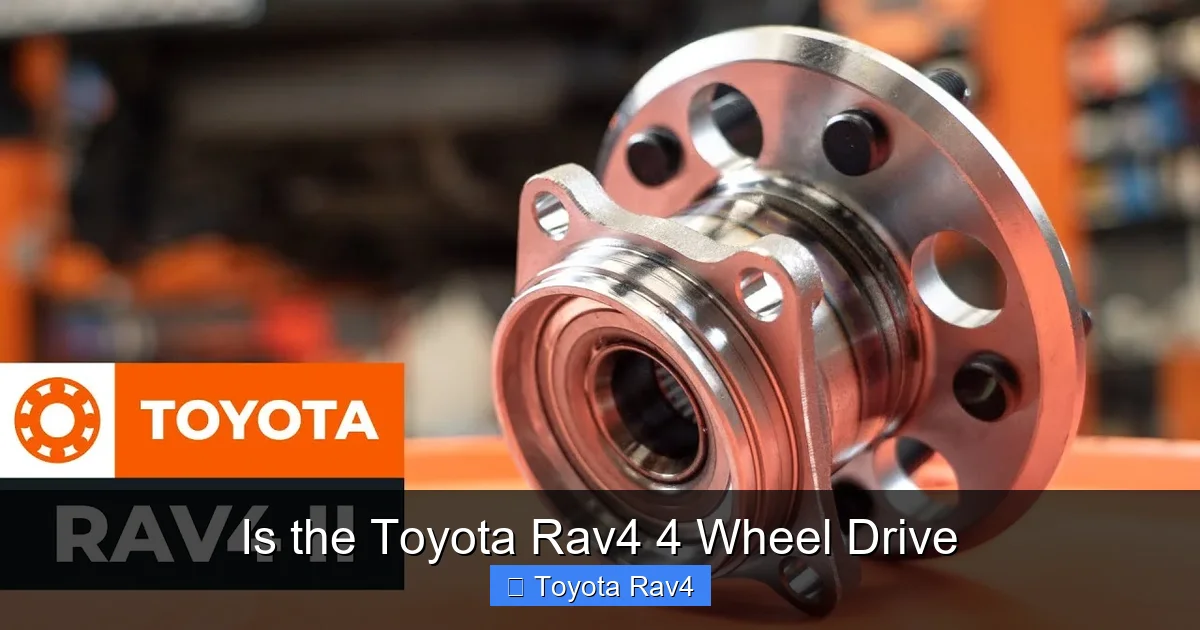
The Toyota RAV4 offers available all-wheel drive (AWD), not traditional four-wheel drive (4WD), but it delivers impressive traction and stability for most driving conditions. With advanced systems like Dynamic Torque Vectoring AWD, the RAV4 handles rain, snow, and light off-roading with confidence—making it a top choice for drivers seeking capability without sacrificing fuel efficiency.
Key Takeaways
- RAV4 uses AWD, not 4WD: The RAV4 features an advanced all-wheel-drive system designed for on-road performance and light off-road use, not heavy-duty 4WD like trucks.
- Multiple AWD options available: Depending on trim and model year, the RAV4 offers different AWD systems, including Dynamic Torque Vectoring AWD and Electronic On-Demand AWD.
- Excellent traction in bad weather: The AWD system automatically sends power to wheels with grip, improving safety in rain, snow, and icy conditions.
- Fuel-efficient and responsive: Unlike traditional 4WD, the RAV4’s AWD engages only when needed, helping maintain strong fuel economy.
- Great for light off-roading: With higher ground clearance and terrain modes, the RAV4 can handle dirt trails, gravel roads, and mild trails with ease.
- Hybrid models also offer AWD: The RAV4 Hybrid comes with Electronic AWD, using a rear electric motor for instant torque and improved efficiency.
- Not for extreme off-roading: While capable, the RAV4 isn’t built for rock crawling or deep mud—stick to moderate terrain for best results.
📑 Table of Contents
Is the Toyota RAV4 4 Wheel Drive? Understanding AWD vs. 4WD
If you’re shopping for a compact SUV and come across the Toyota RAV4, you might wonder: *Is the Toyota RAV4 4 wheel drive?* It’s a common question—and an important one if you live in a region with snow, rain, or rough terrain. The short answer? The RAV4 doesn’t come with traditional four-wheel drive (4WD), but it does offer advanced all-wheel drive (AWD) systems that deliver excellent traction and stability in a wide range of conditions.
Now, before you get confused, let’s clear up the difference between AWD and 4WD. Four-wheel drive is typically found in trucks and heavy-duty SUVs. It sends power to all four wheels at the same time and often includes low-range gearing for extreme off-roading. AWD, on the other hand, is more common in passenger vehicles like the RAV4. It automatically distributes power between the front and rear wheels—and sometimes side to side—based on traction needs. It’s smarter, smoother, and more fuel-efficient.
So while the RAV4 isn’t a 4WD beast built for rock crawling, its AWD system is more than capable of handling everyday challenges like snow-covered roads, muddy driveways, or rainy highways. In fact, many drivers find that the RAV4’s AWD performance rivals or even surpasses some traditional 4WD systems in real-world driving scenarios.
How the Toyota RAV4 AWD System Works
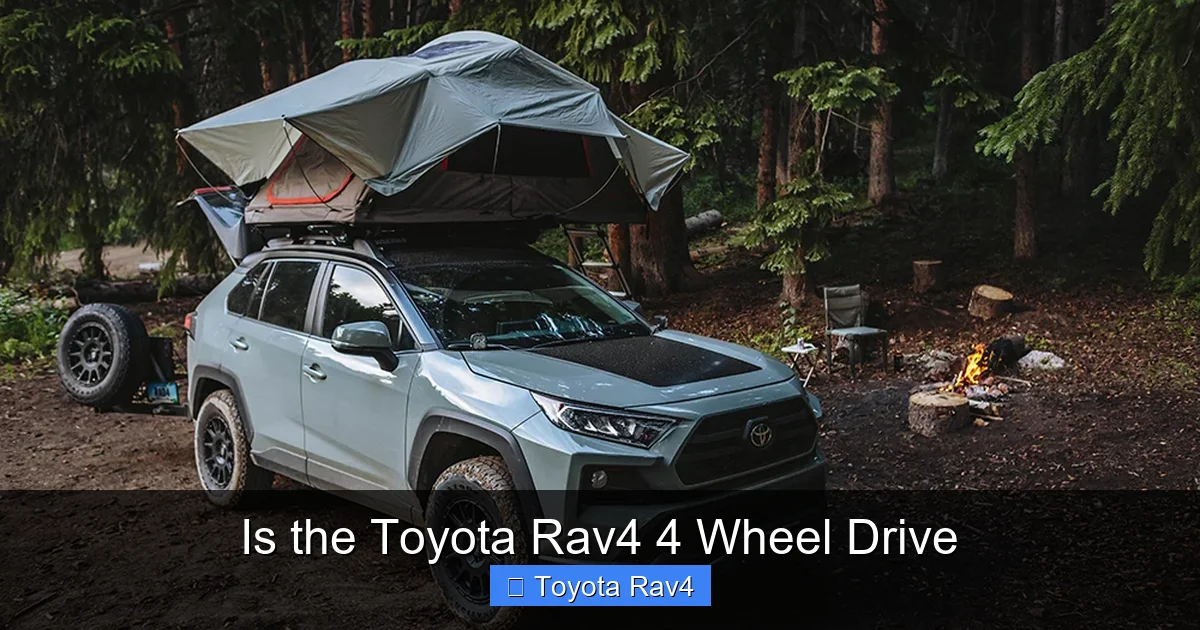
Visual guide about Is the Toyota Rav4 4 Wheel Drive
Image source: offroadium.com
The Toyota RAV4’s all-wheel-drive system is designed to be both intelligent and efficient. Unlike older AWD systems that constantly power all four wheels—wasting fuel—the RAV4’s AWD only engages when it detects slippage or loss of traction. This on-demand approach helps maintain excellent fuel economy while still providing extra grip when you need it.
Electronic On-Demand AWD
Most RAV4 models come equipped with Toyota’s Electronic On-Demand AWD system. This system primarily powers the front wheels under normal driving conditions. But when the front wheels start to slip—like when accelerating on ice or driving through a puddle—the system instantly sends power to the rear wheels. Sensors monitor wheel speed, throttle input, and steering angle to determine when AWD is needed.
For example, imagine you’re pulling out of a snowy parking lot. As your front wheels spin, the system detects the loss of traction and redirects power to the rear wheels within milliseconds. This helps you move forward smoothly without getting stuck. It’s seamless, automatic, and requires no input from the driver.
Dynamic Torque Vectoring AWD
On higher trims like the RAV4 Adventure and TRD Off-Road, Toyota offers an upgraded system called Dynamic Torque Vectoring AWD. This is where the RAV4 really shines. Not only does it send power front to rear, but it can also distribute torque *side to side* across the rear axle using a pair of electromagnetic clutches.
What does that mean in real life? Let’s say you’re taking a sharp turn on a wet road. The system can send more power to the outer rear wheel, helping the vehicle rotate more naturally and reducing understeer. This improves handling, stability, and confidence—especially in corners or during sudden maneuvers.
Additionally, Dynamic Torque Vectoring AWD includes a rear differential lock feature. When activated, it locks the rear wheels together, ensuring both rear wheels receive equal power. This is especially useful on loose surfaces like gravel or dirt trails where one wheel might lift or lose contact.
RAV4 Hybrid: Electronic AWD with Rear E-Four
The RAV4 Hybrid takes AWD a step further with its Electronic AWD system, often referred to as “E-Four.” Instead of using a driveshaft and mechanical components to power the rear wheels, the hybrid system uses a separate electric motor mounted at the rear axle.
This rear motor provides instant torque the moment it’s needed—no waiting for mechanical engagement. It’s especially helpful during quick accelerations or when driving on slippery surfaces. Plus, because it’s electrically powered, it doesn’t sap engine power, helping the hybrid maintain its impressive fuel efficiency.
For instance, if you’re merging onto a highway in the rain, the rear electric motor kicks in immediately to help stabilize the vehicle and prevent wheel spin. It’s a clever blend of performance and efficiency that sets the RAV4 Hybrid apart.
Performance in Real-World Conditions
So, how does the RAV4’s AWD actually perform when the weather turns bad or the road gets rough? Let’s look at a few common scenarios.
Driving in Snow and Ice
If you live in a snowy climate, you’ll appreciate how well the RAV4 handles winter roads. The AWD system works hand-in-hand with Toyota’s stability control and traction control systems to keep you moving safely. When sensors detect wheel slip, power is instantly shifted to the wheels with the most grip.
Many RAV4 owners report confidently driving through several inches of snow without issues. The higher ground clearance (up to 8.4 inches on some trims) also helps prevent getting stuck in deep snowbanks. Plus, features like heated seats, heated steering wheel, and remote start (available on higher trims) make winter driving more comfortable.
One driver from Minnesota shared that their RAV4 handled a surprise blizzard with ease. “I was worried about getting home, but the car just kept going. The AWD felt smooth and responsive—no drama,” they said.
Rainy and Wet Roads
Wet pavement is one of the most common causes of skidding and hydroplaning. The RAV4’s AWD helps reduce these risks by maintaining traction during acceleration and cornering. When one wheel starts to lose grip, the system compensates by sending power elsewhere.
This is especially helpful when driving on highways during heavy rain. The added stability gives drivers more confidence, particularly when changing lanes or braking suddenly. Combined with Toyota Safety Sense 2.0—which includes features like automatic emergency braking and lane departure warning—the RAV4 becomes a very safe choice for wet-weather driving.
Light Off-Roading and Dirt Trails
While the RAV4 isn’t a rock-crawling off-roader, it’s more than capable on light trails, forest roads, and gravel paths. The Adventure and TRD Off-Road trims are specifically designed for this kind of use, with features like:
– Increased ground clearance
– Skid plates for underbody protection
– All-terrain tires
– Multiple drive modes (including Mud & Sand, Rock, and Snow)
With the press of a button, you can switch into a terrain mode that adjusts throttle response, transmission shift points, and AWD behavior. For example, in “Mud & Sand” mode, the system allows a bit more wheel slip to help the vehicle keep moving through soft surfaces.
A weekend camper from Colorado tested their RAV4 on a forest service road to a remote campsite. “The trail had ruts, rocks, and a few muddy patches. The RAV4 handled it all without breaking a sweat. I was impressed,” they said.
Of course, it’s important to know your limits. The RAV4 isn’t built for extreme off-roading like a Jeep Wrangler or Toyota 4Runner. But for weekend adventures, gravel drives, or snowy mountain passes, it’s more than up to the task.
Fuel Efficiency and AWD: A Balancing Act
One of the biggest concerns with AWD vehicles is fuel economy. After all, powering all four wheels typically uses more energy. But Toyota has engineered the RAV4 to minimize this impact.
On-Demand AWD Saves Fuel
Because the RAV4’s AWD system only activates when needed, it spends most of its time running in front-wheel drive mode. This means you get the fuel efficiency of a front-wheel-drive vehicle during normal driving, with the added safety of AWD when conditions demand it.
For example, the 2024 RAV4 AWD gets an EPA-estimated 27 mpg in the city and 35 mpg on the highway. That’s only slightly lower than the front-wheel-drive version (28/35 mpg), showing how efficient the system is.
Hybrid Efficiency Shines
The RAV4 Hybrid takes efficiency to another level. With its Electronic AWD system, it achieves an impressive 41 mpg in the city and 38 mpg on the highway. That’s better than many front-wheel-drive compact SUVs—and it still offers full AWD capability.
This makes the RAV4 Hybrid an excellent choice for drivers who want all-weather confidence without sacrificing fuel economy. Whether you’re commuting in the city or taking a long road trip, the hybrid system delivers both performance and efficiency.
Real-World Fuel Economy Tips
To get the best fuel economy from your AWD RAV4, consider these tips:
– Keep your tires properly inflated. Underinflated tires increase rolling resistance and reduce mpg.
– Use the Eco driving mode for smoother acceleration and better efficiency.
– Avoid aggressive driving. Rapid acceleration and hard braking waste fuel.
– Remove roof racks or cargo boxes when not in use. They create drag and lower gas mileage.
Even with AWD engaged occasionally, most RAV4 drivers report fuel economy that’s very close to EPA estimates—especially on highway drives.
Which RAV4 Trims Offer AWD?
Not all RAV4 models come with AWD standard, so it’s important to know which trims include it and how much it costs.
Standard and Available AWD Options
As of the 2024 model year, AWD is available on nearly every RAV4 trim, including:
– LE
– XLE
– XLE Premium
– Limited
– Adventure
– TRD Off-Road
– Hybrid (all trims)
Front-wheel drive is standard on the base LE trim, but AWD can be added for around $1,400–$1,600, depending on the model. On higher trims like XLE and Limited, AWD is often included or available as an option.
The Adventure and TRD Off-Road trims come standard with Dynamic Torque Vectoring AWD, making them the most capable off-road. The Hybrid models all come with Electronic AWD standard—no extra cost.
How to Choose the Right AWD RAV4
If you’re deciding which RAV4 to buy, consider your driving needs:
– **For city and highway driving in mild climates:** The standard Electronic On-Demand AWD on the XLE or Limited is more than sufficient.
– **For snowy or mountainous areas:** Consider the Adventure or TRD Off-Road with Dynamic Torque Vectoring AWD for better traction and handling.
– **For maximum fuel efficiency:** The RAV4 Hybrid with Electronic AWD offers the best of both worlds—great mpg and strong AWD performance.
Also, check for available packages. Some trims offer AWD as part of a convenience or technology package, which may include other useful features like blind-spot monitoring, adaptive cruise control, or a premium audio system.
Maintenance and Longevity of the RAV4 AWD System
One of the advantages of the RAV4’s AWD system is its reliability. Toyota has a reputation for building durable, long-lasting vehicles, and the AWD components are no exception.
Low Maintenance Requirements
Unlike traditional 4WD systems that require regular maintenance (like transfer case fluid changes), the RAV4’s AWD system is largely maintenance-free. There’s no center differential or manual locking hubs to worry about.
The system uses electronic sensors and clutches that are designed to last the life of the vehicle under normal conditions. Most owners never need to service the AWD system beyond routine inspections during regular maintenance visits.
Signs of AWD Issues
While rare, AWD problems can occur. Watch for these warning signs:
– A warning light on the dashboard (like the AWD or traction control light)
– Unusual noises from under the vehicle, especially during turns
– Reduced traction or difficulty accelerating on slippery surfaces
– Vibrations or pulling to one side
If you notice any of these, have your vehicle inspected by a certified Toyota technician. Early detection can prevent more serious issues.
Long-Term Reliability
Toyota’s AWD systems have a strong track record for longevity. Many RAV4 owners report driving over 150,000 miles without any AWD-related problems. Regular oil changes, tire rotations, and brake inspections help keep the entire drivetrain in good condition.
Plus, Toyota’s comprehensive warranty covers the AWD system for 60,000 miles or 5 years, giving you peace of mind.
Conclusion: Is the RAV4 Right for You?
So, is the Toyota RAV4 4 wheel drive? Technically, no—it uses advanced all-wheel drive instead. But in practical terms, the RAV4’s AWD system delivers the traction, stability, and confidence you’d expect from a capable SUV.
Whether you’re navigating snowy streets, rainy highways, or weekend dirt trails, the RAV4 handles it all with ease. Its intelligent AWD systems—especially Dynamic Torque Vectoring and Electronic AWD on hybrids—offer performance that rivals many traditional 4WD vehicles, all while maintaining excellent fuel economy.
And with Toyota’s reputation for reliability, safety, and resale value, the RAV4 remains one of the best choices in the compact SUV segment. If you’re looking for a vehicle that’s practical, efficient, and ready for whatever the road throws at it, the RAV4 with AWD is a smart, confident choice.
Frequently Asked Questions
Does the Toyota RAV4 have 4WD or AWD?
The Toyota RAV4 does not have traditional four-wheel drive (4WD). Instead, it offers advanced all-wheel drive (AWD) systems that automatically send power to the wheels with the most traction. This provides excellent grip in rain, snow, and light off-road conditions.
Is AWD standard on all RAV4 models?
No, AWD is not standard on all RAV4 models. Front-wheel drive is standard on the base LE trim, but AWD is available as an option on most trims. The Adventure, TRD Off-Road, and all Hybrid models come with more advanced AWD systems standard.
Can the RAV4 handle off-roading?
Yes, the RAV4 can handle light to moderate off-roading, especially the Adventure and TRD Off-Road trims. With higher ground clearance, skid plates, and terrain modes, it’s capable on dirt trails, gravel roads, and snowy paths—but it’s not designed for extreme rock crawling.
Does AWD reduce fuel economy in the RAV4?
AWD has a minimal impact on fuel economy in the RAV4 because the system only engages when needed. The 2024 RAV4 AWD gets up to 27/35 mpg, and the Hybrid AWD achieves 41/38 mpg—making it one of the most efficient AWD SUVs on the market.
What’s the difference between Dynamic Torque Vectoring AWD and Electronic AWD?
Dynamic Torque Vectoring AWD (on Adventure and TRD Off-Road trims) can send power side to side across the rear axle and includes a rear differential lock. Electronic AWD (on Hybrid models) uses a rear electric motor for instant torque and better efficiency.
How long does the RAV4 AWD system last?
The RAV4’s AWD system is designed to last the life of the vehicle with minimal maintenance. Most owners report no issues even after 150,000+ miles. Toyota’s warranty covers AWD components for 5 years or 60,000 miles.