

Wondering what is high mileage for a Toyota RAV4? While many vehicles start showing wear around 150,000 miles, a well-maintained RAV4 can easily surpass 200,000 miles—and even reach 300,000 with proper care. This guide breaks down mileage benchmarks, maintenance tips, and real-world examples to help you get the most out of your RAV4.
If you’re driving a Toyota RAV4—or thinking about buying one—you’ve probably asked yourself: “What is high mileage for a Toyota RAV4?” It’s a smart question, especially when you’re investing in a vehicle you hope will last for years. Unlike sports cars or luxury sedans that often start showing their age around 100,000 miles, the RAV4 has built a reputation for toughness and reliability. But just how far can it really go?
The truth is, “high mileage” isn’t a fixed number. It depends on how the vehicle has been driven, maintained, and stored over its lifetime. For many drivers, hitting 150,000 miles feels like a milestone—and for good reason. That’s often when major components like the transmission, suspension, or engine start to show signs of wear. But with the RAV4, that number is more of a starting point than a finish line. Plenty of owners report driving their RAV4s past 200,000, 250,000, and even 300,000 miles with nothing more than routine maintenance.
So what makes the RAV4 different? A big part of it comes down to Toyota’s engineering philosophy: build simple, durable vehicles that don’t rely on complex electronics or over-engineered parts. The RAV4, especially in its earlier generations, was designed to be easy to repair and built to last. Combine that with a loyal owner base that tends to follow maintenance schedules, and you’ve got a recipe for long-term reliability.
Key Takeaways
- High mileage for a Toyota RAV4 typically starts around 150,000–200,000 miles: This is when major components may begin to show signs of wear, but many RAV4s continue running strong well beyond this point.
- Regular maintenance is the #1 factor in longevity: Following the manufacturer’s service schedule, especially oil changes, transmission fluid, and timing belt replacements, dramatically extends engine life.
- Older models (1996–2005) are known for durability: These early RAV4s often hit 250,000+ miles with basic upkeep, thanks to simple, robust engineering.
- Hybrid RAV4s (2016+) offer excellent efficiency and longevity: With fewer moving parts and regenerative braking, hybrid models can achieve high mileage with less strain on the engine.
- Driving habits impact mileage more than you think: Smooth acceleration, avoiding short trips, and using quality fuel help preserve engine health over time.
- Common high-mileage issues include suspension wear and electrical glitches: Watch for squeaky shocks, alignment issues, and dashboard warning lights as your RAV4 ages.
- Resale value remains strong even at high mileage: A well-documented, high-mileage RAV4 with full service history often sells for more than comparable SUVs from other brands.
📑 Table of Contents
- Understanding What “High Mileage” Really Means
- How Toyota Engineering Contributes to Longevity
- Hybrid RAV4s: A New Era of High Mileage
- Common High-Mileage Issues and How to Address Them
- Driving Habits That Extend RAV4 Life
- Resale Value of High-Mileage RAV4s
- Conclusion: High Mileage Doesn’t Mean the End
Understanding What “High Mileage” Really Means
When people talk about “high mileage,” they’re usually referring to the point where a vehicle starts to require more frequent repairs or when its resale value drops significantly. For most cars, that threshold is around 120,000 to 150,000 miles. But for the Toyota RAV4, that line is often pushed much further.
So what is high mileage for a Toyota RAV4? Generally, experts consider anything over 150,000 miles to be high mileage. But here’s the catch: high mileage doesn’t automatically mean “unreliable.” In fact, a well-cared-for RAV4 at 180,000 miles might run better than a neglected one at 100,000.
The Role of Maintenance in Mileage Longevity
One of the biggest factors in determining how long a RAV4 lasts is maintenance. Toyota recommends a strict service schedule, and sticking to it can make all the difference. For example, changing the oil every 5,000 to 7,500 miles (depending on driving conditions), replacing the timing belt around 90,000–100,000 miles, and flushing the transmission fluid every 60,000 miles are all critical steps.
Let’s say you have a 2005 RAV4 with 170,000 miles. If the previous owner followed the maintenance schedule, changed the oil regularly, and replaced the timing belt on time, that vehicle could easily last another 50,000–80,000 miles. But if the oil was never changed and the timing belt snapped, the engine could be ruined—even at lower mileage.
Real-World Examples of High-Mileage RAV4s
There are countless stories of RAV4 owners pushing their vehicles to extreme mileages. One Reddit user shared that their 2001 RAV4 hit 312,000 miles before the engine finally gave out—after a full rebuild. Another owner on a Toyota forum reported driving a 2010 RAV4 for over 280,000 miles with only minor repairs, including new shocks and a brake job.
These examples aren’t rare. They’re common among RAV4 owners who treat their vehicles with care. The key takeaway? High mileage isn’t the enemy—neglect is.
How Toyota Engineering Contributes to Longevity
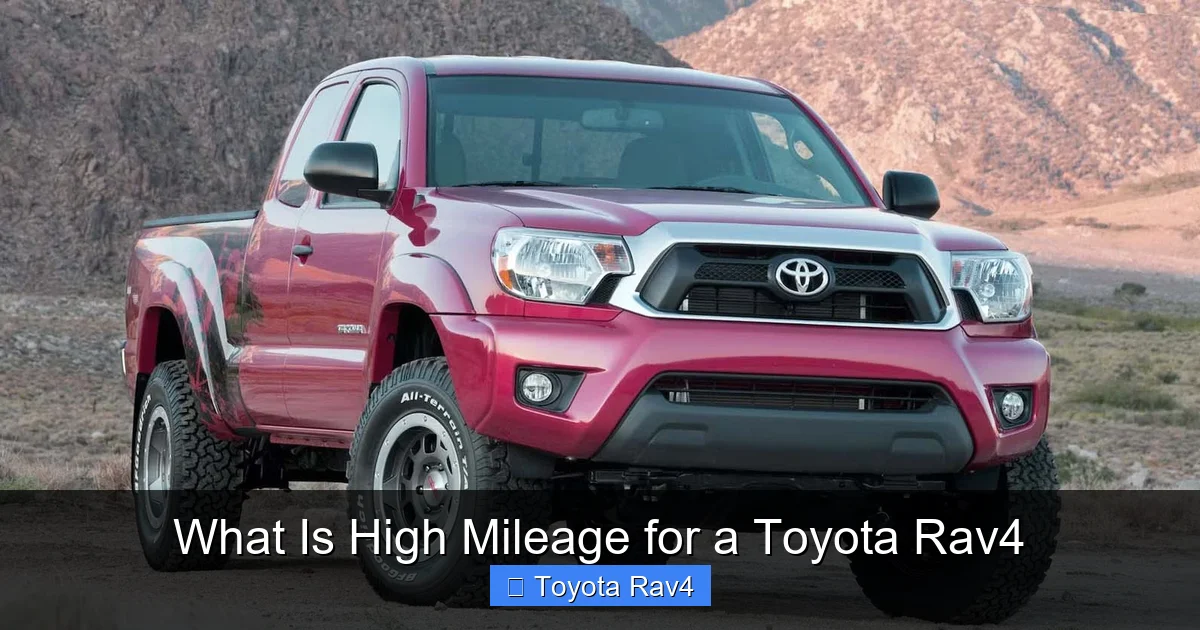
Visual guide about What Is High Mileage for a Toyota Rav4
Image source: jeepzine.com
Toyota has long been known for building vehicles that last. The RAV4, in particular, benefits from Toyota’s focus on simplicity, durability, and ease of repair. Unlike some modern SUVs packed with complex electronics and turbocharged engines, many RAV4 models—especially those from the early 2000s—use naturally aspirated engines and straightforward mechanical systems.
Engine Design and Reliability
The RAV4 has used several engines over the years, but some stand out for their longevity. The 2.0L and 2.4L 4-cylinder engines found in models from 1996 to 2012 are particularly durable. These engines are known for their low stress, high torque, and resistance to overheating. They don’t rely on turbocharging, which can add heat and complexity, and they’re built with cast iron blocks and aluminum heads for strength and heat dissipation.
For example, the 2AZ-FE 2.4L engine used in 2006–2012 RAV4s is often criticized for oil consumption issues, but with regular oil top-offs and timely maintenance, many of these engines still reach 250,000+ miles. The key is catching problems early—like replacing piston rings or valve seals before they cause major damage.
Transmission and Drivetrain Durability
The RAV4 has used both manual and automatic transmissions over the years. The 4-speed and 5-speed automatics are generally reliable, especially when serviced regularly. The all-wheel-drive (AWD) system, introduced in later models, is also robust, though it does require periodic fluid changes to prevent wear.
One common issue with high-mileage RAV4s is the transfer case or center differential in AWD models. If the fluid isn’t changed, these components can wear out, leading to noise or loss of traction. But again, this is preventable with maintenance.
Suspension and Chassis Strength
The RAV4’s unibody construction and independent suspension system are designed for both comfort and durability. However, as mileage increases, components like struts, control arms, and bushings begin to wear. This doesn’t mean the vehicle is unsafe—it just means it may need suspension work to maintain ride quality.
For example, a 2008 RAV4 with 200,000 miles might start to feel “loose” or “bouncy” over bumps. Replacing the shocks and struts can restore the ride to near-new condition, often for under $800.
Hybrid RAV4s: A New Era of High Mileage
Since 2016, Toyota has offered a hybrid version of the RAV4, and it’s quickly becoming a favorite among long-distance drivers. The RAV4 Hybrid combines a 2.5L 4-cylinder engine with electric motors, delivering excellent fuel economy and reduced engine wear.
Why Hybrids Last Longer
Hybrid vehicles tend to have longer lifespans for several reasons. First, the electric motor assists the gasoline engine, reducing strain during acceleration. Second, regenerative braking reduces wear on brake pads and rotors. Third, the engine doesn’t have to work as hard, which means less heat and stress over time.
A 2018 RAV4 Hybrid with 180,000 miles, for example, might still have a healthy battery and engine because the system is designed to balance power between electric and gas. Toyota’s hybrid batteries are also built to last—many are still functioning well beyond 200,000 miles, and Toyota offers an 8-year/100,000-mile warranty on them.
Maintenance Tips for Hybrid RAV4s
While hybrid RAV4s are reliable, they do require specific care. The 12-volt battery should be checked regularly, as it powers the vehicle’s electronics. The inverter coolant should be flushed every 100,000 miles, and the hybrid battery cooling system should be inspected for debris.
Also, because hybrid engines start and stop frequently, using high-quality oil and changing it on schedule is crucial. Toyota recommends synthetic oil for hybrid models, which helps protect the engine during frequent restarts.
Common High-Mileage Issues and How to Address Them
Even the most reliable vehicles develop issues as they age. The RAV4 is no exception. Knowing what to watch for can help you catch problems early and avoid costly repairs.
Suspension and Steering Wear
At high mileage, the RAV4’s suspension components begin to wear. Signs include:
– A bouncy or rough ride
– Noise over bumps
– Poor handling or drifting
– Uneven tire wear
Replacing shocks, struts, and control arm bushings can restore ride quality. For a 2006–2012 RAV4, a full suspension refresh might cost $600–$1,200, depending on labor rates.
Electrical and Sensor Problems
As electronics age, sensors can fail or send incorrect signals. Common issues include:
– Check engine light due to oxygen sensor failure
– Erratic transmission shifting from a bad speed sensor
– Dashboard warning lights with no clear cause
Using an OBD2 scanner can help diagnose these issues. Many are inexpensive to fix—like replacing a $50 oxygen sensor—but ignoring them can lead to bigger problems.
Engine Oil Consumption (2AZ-FE Models)
The 2.4L engine in 2006–2012 RAV4s is known for oil consumption. Some owners report using a quart of oil every 1,000–2,000 miles. While this isn’t always a sign of imminent failure, it should be monitored.
Solutions include:
– Using high-mileage oil with seal conditioners
– Checking oil levels weekly
– Replacing piston rings or valve seals if consumption exceeds 1 quart per 1,000 miles
Transmission Slipping or Delayed Shifting
Automatic transmissions can develop issues at high mileage. Symptoms include:
– Hesitation when accelerating
– Slipping gears
– Delayed shifts
This is often due to old or contaminated transmission fluid. A full flush and filter replacement can resolve mild issues. In severe cases, a rebuild or replacement may be needed.
Driving Habits That Extend RAV4 Life
How you drive has a huge impact on how long your RAV4 lasts. Small changes in behavior can add tens of thousands of miles to its life.
Avoid Short Trips When Possible
Short trips prevent the engine from reaching optimal operating temperature, leading to moisture buildup and oil contamination. If you only drive 2–3 miles at a time, try to combine errands or let the engine idle for a few minutes before shutting it off.
Use Quality Fuel and Oil
Toyota recommends 87-octane fuel for most RAV4 models. Using higher-octane fuel won’t hurt, but it’s not necessary. However, using top-tier gasoline with detergent additives can help keep fuel injectors clean.
For oil, use synthetic or high-mileage oil that meets Toyota’s specifications (like 0W-20 or 5W-30). Change it every 5,000–7,500 miles, or sooner if you drive in severe conditions (stop-and-go traffic, towing, extreme temperatures).
Warm Up the Engine in Cold Weather
In cold climates, let the engine idle for 30–60 seconds before driving. This allows oil to circulate and reduces wear on cold engine parts. Avoid revving the engine when it’s cold.
Don’t Ignore Warning Lights
A check engine light might seem minor, but it could indicate a serious issue like a failing catalytic converter or misfiring cylinder. Addressing it early can prevent engine damage.
Resale Value of High-Mileage RAV4s
One of the biggest advantages of owning a high-mileage RAV4 is its strong resale value. Even at 200,000 miles, a well-maintained RAV4 can sell for $5,000–$8,000, depending on year, condition, and location.
What Buyers Look For
When shopping for a high-mileage RAV4, buyers want to see:
– Full service records
– Recent major repairs (timing belt, water pump, suspension)
– Clean interior and exterior
– No signs of rust or frame damage
A RAV4 with 180,000 miles and a new timing belt, brakes, and tires will sell faster and for more money than one with unknown maintenance history.
Tips for Selling a High-Mileage RAV4
– Get a pre-sale inspection and fix any major issues
– Clean the interior and exterior thoroughly
– Provide maintenance records and receipts
– Be honest about the vehicle’s condition
Many buyers are specifically looking for high-mileage RAV4s because they know they can last. Position your vehicle as a reliable, well-cared-for SUV, and you’ll attract serious offers.
Conclusion: High Mileage Doesn’t Mean the End
So, what is high mileage for a Toyota RAV4? The answer is: it depends. While 150,000–200,000 miles is often considered high, a RAV4 with proper care can easily surpass 250,000 miles—and even reach 300,000. The key is maintenance, smart driving habits, and addressing issues early.
The RAV4’s reputation for reliability isn’t just marketing—it’s backed by real-world examples and decades of proven performance. Whether you’re driving a 1998 model with 220,000 miles or a 2020 hybrid with 120,000, your RAV4 has the potential to keep going strong.
Don’t let mileage scare you. With the right care, your RAV4 can be a trusted companion for years to come.
Frequently Asked Questions
What is considered high mileage for a Toyota RAV4?
High mileage for a Toyota RAV4 typically starts around 150,000 to 200,000 miles. However, many RAV4s continue running reliably well beyond this point with proper maintenance.
Can a Toyota RAV4 last 300,000 miles?
Yes, it’s possible. Numerous owners have reported driving their RAV4s past 300,000 miles, especially older models with simple engines and regular upkeep.
What maintenance is most important for high-mileage RAV4s?
Key maintenance includes regular oil changes, timing belt replacement, transmission fluid flushes, and suspension inspections. Following the manufacturer’s schedule is crucial.
Are hybrid RAV4s better for high mileage?
Yes, hybrid RAV4s often last longer due to reduced engine strain, regenerative braking, and durable battery systems. They’re excellent for long-term ownership.
What are common problems in high-mileage RAV4s?
Common issues include suspension wear, oil consumption (in 2.4L engines), electrical sensor failures, and transmission slipping. Most are preventable with maintenance.
Is it worth buying a high-mileage Toyota RAV4?
Yes, if it has a full service history and no major damage. High-mileage RAV4s often offer great value and can last many more years with proper care.