

The Toyota RAV4 is built in multiple countries, including the U.S., Canada, Japan, and China, ensuring global availability and high-quality production standards. Each plant follows Toyota’s rigorous manufacturing processes, contributing to the RAV4’s reputation for reliability and performance.
When you’re behind the wheel of a Toyota RAV4, you’re driving one of the most popular compact SUVs in the world. It’s known for its reliability, fuel efficiency, and versatility—whether you’re navigating city streets or heading out on a weekend adventure. But have you ever wondered where this beloved vehicle actually comes from? Where are Toyota RAV4 built? The answer isn’t as simple as one factory in one country. In fact, the RAV4 is a truly global vehicle, assembled in multiple locations across North America, Asia, and beyond.
Toyota has mastered the art of global manufacturing, balancing local production with international demand. This means that depending on where you live, your RAV4 might have been built in Kentucky, Canada, Japan, or even China. Each of these plants plays a crucial role in Toyota’s supply chain, ensuring that millions of drivers around the world can enjoy the same high-quality SUV. The company’s strategy isn’t just about meeting numbers—it’s about maintaining consistency, reducing shipping costs, and supporting local economies.
Key Takeaways
- Global Manufacturing Network: The Toyota RAV4 is produced in several countries, including the United States, Canada, Japan, and China, allowing Toyota to meet worldwide demand efficiently.
- Primary U.S. Production: The majority of RAV4s sold in North America are built at Toyota’s plant in Georgetown, Kentucky, one of the company’s largest and most advanced facilities.
- Canadian Contribution: The Woodstock, Ontario plant also produces the RAV4, focusing on both gas and hybrid models for the North American market.
- Japanese Craftsmanship: Some RAV4 models, especially earlier generations and certain export variants, are still manufactured in Japan, known for precision engineering.
- Chinese Market Focus: In China, the RAV4 is produced locally through joint ventures to meet regional demand and reduce import costs.
- Quality Consistency: Despite being built in different countries, all RAV4s adhere to Toyota’s strict global quality standards, ensuring reliability across markets.
- Hybrid and Electric Expansion: As demand for electrified vehicles grows, Toyota is increasing RAV4 hybrid production in North America and exploring new manufacturing sites for future EV models.
📑 Table of Contents
Why Does It Matter Where the RAV4 Is Built?
You might be thinking, “As long as it runs well, does it really matter where it was made?” The truth is, it does—more than you might expect. The location of manufacturing can affect everything from build quality and parts sourcing to pricing and environmental impact. For example, a RAV4 built in the U.S. might use more locally sourced components, which can reduce lead times and support American jobs. On the other hand, a model made in Japan might benefit from decades of refined engineering and attention to detail.
Understanding where your RAV4 is built also gives you insight into Toyota’s global strategy. The company doesn’t just build cars—it builds trust. By producing vehicles in multiple regions, Toyota can respond quickly to market changes, avoid trade barriers, and ensure that each vehicle meets local regulations and consumer preferences. Whether you’re buying a hybrid in California or a gas-powered model in Ontario, you’re getting a vehicle that’s tailored to your needs, even if it shares the same nameplate.
The Importance of Local Production
One of the biggest advantages of local production is reduced shipping and logistics costs. When a RAV4 is built in the U.S. for the U.S. market, it doesn’t have to travel across oceans. This not only lowers the carbon footprint but also helps keep prices competitive. It also means faster delivery times—dealerships can stock vehicles more efficiently, and customers don’t have to wait months for their new SUV.
Another benefit is economic impact. Toyota’s North American plants employ thousands of workers and support countless suppliers. The Georgetown, Kentucky plant, for instance, is one of the largest automotive manufacturing facilities in the world and a major employer in the region. By building RAV4s locally, Toyota contributes to job creation and community development.
Quality Control Across Borders
You might worry that a RAV4 made in one country isn’t as good as one made in another. But Toyota has strict global standards that every plant must follow. Whether it’s in Japan, the U.S., or Canada, each facility uses the same production methods, quality checks, and testing procedures. This ensures that every RAV4—no matter where it’s built—meets the same high standards for safety, durability, and performance.
Toyota’s “Toyota Production System” (TPS) is at the heart of this consistency. This system emphasizes efficiency, continuous improvement, and defect prevention. Workers at every plant are trained to spot issues early and fix them before they become problems. As a result, whether your RAV4 rolls off the line in Kentucky or Ontario, you can trust that it’s built to last.
Where Are Toyota RAV4 Built in North America?
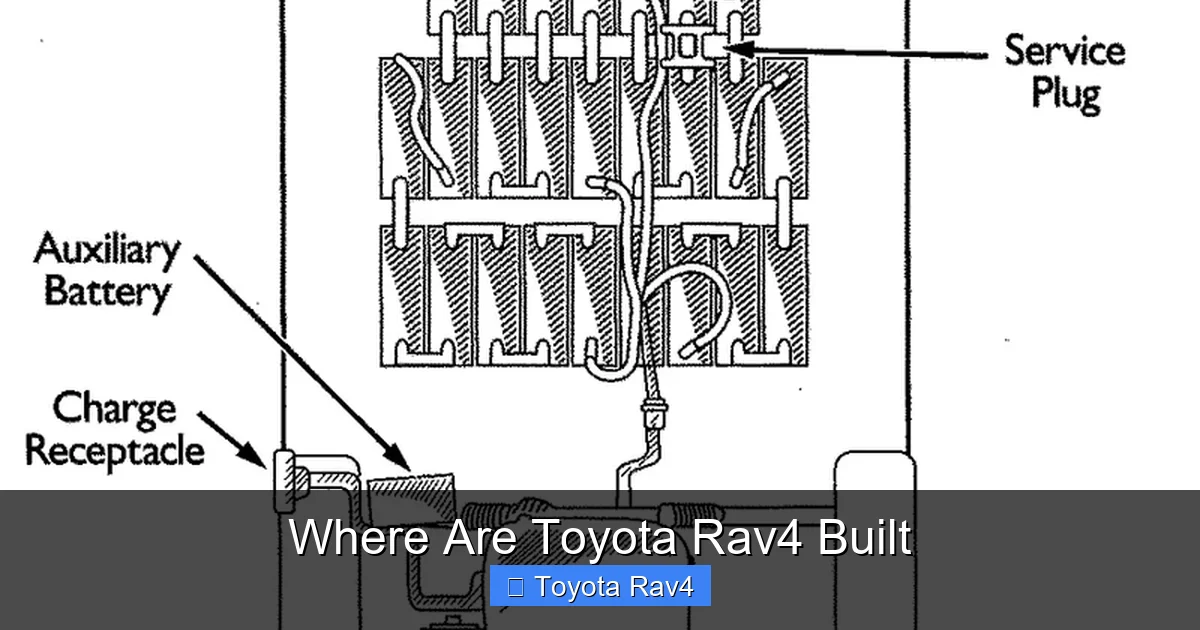
Visual guide about Where Are Toyota Rav4 Built
Image source: 3.bp.blogspot.com
When it comes to North American sales, the majority of Toyota RAV4s are built right here in the United States and Canada. These plants are key to Toyota’s strategy of “building where we sell,” which helps the company stay agile and responsive to customer needs.
Toyota Motor Manufacturing, Kentucky (TMMK)
The crown jewel of Toyota’s North American operations is the Georgetown, Kentucky plant. Opened in 1988, TMMK is Toyota’s largest manufacturing facility outside of Japan and one of the most advanced auto plants in the world. It currently produces several popular models, including the Camry, Avalon, and—most importantly—the RAV4.
The Kentucky plant is responsible for building the majority of RAV4s sold in the U.S. and Canada. It’s equipped with state-of-the-art robotics, automated assembly lines, and rigorous quality control systems. The facility can produce over 550,000 vehicles annually, making it a powerhouse in Toyota’s global network.
One of the standout features of TMMK is its focus on hybrid production. As demand for fuel-efficient vehicles grows, Toyota has ramped up RAV4 Hybrid manufacturing at this plant. The hybrid version of the RAV4 is one of the best-selling hybrids in America, and much of that success is thanks to the efficiency and scale of the Kentucky facility.
Toyota Motor Manufacturing Canada (TMMC)
Just across the border in Woodstock, Ontario, another major RAV4 production hub operates. The TMMC plant has been building vehicles since 1988 and has become a cornerstone of Toyota’s Canadian operations. It currently produces both the gas-powered and hybrid versions of the RAV4, primarily for the North American market.
The Woodstock plant is known for its high levels of automation and commitment to sustainability. It uses advanced robotics for welding and painting, reducing waste and improving precision. The facility also has a strong focus on environmental responsibility, with initiatives like solar panels and water recycling systems.
One of the key advantages of the Canadian plant is its proximity to U.S. markets. Vehicles built in Woodstock can be shipped quickly to dealerships across the U.S. and Canada, reducing delivery times and logistics costs. This makes the TMMC plant a vital part of Toyota’s North American supply chain.
Why North America Is a Key Region for RAV4 Production
North America is the largest market for the Toyota RAV4, so it makes sense that the company would focus its manufacturing efforts here. By building vehicles locally, Toyota can respond quickly to changing consumer preferences, such as the growing demand for hybrids and SUVs with advanced safety features.
Local production also helps Toyota avoid tariffs and trade restrictions. In recent years, trade tensions between the U.S. and other countries have made it more expensive to import vehicles. By producing RAV4s in the U.S. and Canada, Toyota can keep prices stable and competitive.
RAV4 Production in Japan: The Original Home
While North America is now the primary production hub for the RAV4, the vehicle’s roots are firmly planted in Japan. The first-generation RAV4 was introduced in 1994 and was built exclusively in Japan. Even today, some RAV4 models—especially those destined for export to regions like Europe, Australia, and the Middle East—are still manufactured in Japanese plants.
Toyota’s Japanese Manufacturing Plants
The main facilities responsible for RAV4 production in Japan include the Tahara plant in Aichi Prefecture and the Motomachi plant in Toyota City. These plants are known for their precision engineering, attention to detail, and long history of producing high-quality vehicles.
The Tahara plant, in particular, is one of Toyota’s most advanced manufacturing sites. It uses cutting-edge technology to produce a wide range of models, including the Lexus LS and the RAV4. The facility is renowned for its efficiency and quality control, often serving as a benchmark for other Toyota plants around the world.
The Role of Japanese Craftsmanship
Even though many RAV4s are now built outside Japan, the influence of Japanese engineering is still evident. The attention to detail, focus on reliability, and commitment to continuous improvement are all hallmarks of Toyota’s Japanese heritage.
For example, Japanese-built RAV4s often undergo additional quality checks and testing before being shipped overseas. This extra layer of scrutiny ensures that vehicles meet the high expectations of international customers. It’s not uncommon for export models to have slightly different specifications or features tailored to local markets.
Why Japan Still Matters for RAV4 Production
While the volume of RAV4s built in Japan has decreased over the years, the country remains important for several reasons. First, Japan is still a major market for the RAV4, especially in urban areas where compact SUVs are popular. Second, Japanese plants often serve as innovation hubs, testing new technologies and production methods before they’re rolled out globally.
Finally, Japan plays a key role in Toyota’s global supply chain. Many of the high-tech components used in the RAV4—such as hybrid batteries and advanced safety systems—are developed and manufactured in Japan. Even if the final assembly happens elsewhere, the Japanese influence is still strong.
RAV4 Manufacturing in China and Other Global Markets
As the RAV4’s popularity has grown worldwide, Toyota has expanded its production network to include other key markets. One of the most significant additions is China, where the RAV4 is now produced locally to meet soaring demand.
Joint Ventures in China
In China, Toyota partners with local automakers to produce the RAV4. The primary joint ventures are with FAW Group (First Automobile Works) and GAC Group (Guangzhou Automobile Group). These partnerships allow Toyota to navigate China’s complex regulatory environment and benefit from local manufacturing expertise.
The FAW-Toyota joint venture operates several plants across China, including facilities in Tianjin and Changchun. These plants produce both the standard RAV4 and the RAV4 Hybrid, catering to the growing appetite for SUVs and eco-friendly vehicles in the region.
Why Local Production in China Is Strategic
Building the RAV4 in China offers several advantages. First, it reduces import tariffs and shipping costs, making the vehicle more affordable for Chinese consumers. Second, it allows Toyota to respond quickly to local market trends, such as the demand for larger SUVs or vehicles with advanced infotainment systems.
Local production also helps Toyota build stronger relationships with Chinese consumers and regulators. By investing in the local economy and creating jobs, Toyota strengthens its brand presence and long-term growth potential in one of the world’s largest automotive markets.
Other Global Production Sites
While the U.S., Canada, Japan, and China are the main production hubs, Toyota also assembles the RAV4 in smaller volumes in other countries. For example, some models are built in Thailand and Indonesia for the Southeast Asian market. These regional plants help Toyota serve local customers more efficiently and reduce dependency on long-distance shipping.
The Future of RAV4 Manufacturing
As the automotive industry evolves, so does Toyota’s approach to manufacturing the RAV4. The company is investing heavily in new technologies, sustainability, and electrification to ensure the RAV4 remains competitive in the years to come.
Expansion of Hybrid and Electric Production
One of the biggest trends in the automotive world is the shift toward electrification. Toyota has been a leader in hybrid technology for decades, and the RAV4 Hybrid is a testament to that expertise. In the future, we can expect even more hybrid and plug-in hybrid RAV4 models to roll off the production line.
Toyota is also exploring the development of a fully electric RAV4. While no official launch date has been announced, the company has hinted at plans to expand its EV lineup. When that happens, we can expect new manufacturing facilities or retrofitted plants to handle the unique requirements of electric vehicle production.
Sustainability and Green Manufacturing
Toyota is committed to reducing the environmental impact of its vehicles—not just on the road, but during production as well. Many of the company’s plants, including those in Kentucky and Ontario, have implemented green initiatives such as solar power, water recycling, and waste reduction programs.
The company’s goal is to achieve carbon neutrality across its operations by 2050. This includes making manufacturing processes more efficient, using renewable energy, and sourcing sustainable materials. As the RAV4 continues to evolve, sustainability will remain a top priority.
Automation and Smart Factories
The future of RAV4 manufacturing will also be shaped by automation and digital technology. Toyota is investing in smart factories that use artificial intelligence, robotics, and real-time data to improve efficiency and quality.
For example, some plants already use AI-powered systems to predict maintenance needs and prevent equipment failures. Others are experimenting with augmented reality to help workers perform complex tasks more accurately. These innovations will help Toyota maintain its reputation for quality while increasing production speed and flexibility.
How to Know Where Your RAV4 Was Built
If you’re curious about where your specific RAV4 was manufactured, there’s a simple way to find out: check the Vehicle Identification Number (VIN). The VIN is a 17-character code that contains information about the vehicle’s make, model, and production details.
Decoding the VIN
The first three characters of the VIN are known as the World Manufacturer Identifier (WMI). They tell you where the vehicle was built. For example:
– VINs starting with “2T” indicate the vehicle was built in Canada.
– VINs starting with “5T” or “JT” usually mean it was built in the U.S. or Japan, respectively.
– VINs starting with “LFM” or similar codes may indicate production in China.
You can use online VIN decoders or contact a Toyota dealership to get detailed information about your vehicle’s origin.
Why It’s Worth Knowing
Knowing where your RAV4 was built can give you peace of mind about its quality and history. It can also help you understand warranty coverage, parts availability, and potential resale value. For example, a RAV4 built in Kentucky might have different service records or recall history than one built in Japan.
Conclusion
So, where are Toyota RAV4 built? The answer is: all over the world. From the advanced plants in Kentucky and Ontario to the precision factories in Japan and the growing hubs in China, the RAV4 is a truly global vehicle. Each production site plays a vital role in Toyota’s mission to deliver reliable, efficient, and high-quality SUVs to drivers everywhere.
No matter where your RAV4 was built, you can trust that it was crafted with the same commitment to excellence that has made Toyota a leader in the automotive industry. As the RAV4 continues to evolve—with more hybrids, smarter technology, and greener manufacturing—its global production network will remain a key part of its success.
Whether you’re buying a new RAV4 or just curious about its origins, understanding where it’s built gives you a deeper appreciation for the engineering, teamwork, and innovation that go into every mile you drive.
Frequently Asked Questions
Where is the Toyota RAV4 primarily built?
The Toyota RAV4 is primarily built in North America, with major production facilities in Georgetown, Kentucky (USA) and Woodstock, Ontario (Canada). These plants produce the majority of RAV4s sold in the U.S. and Canada.
Are Toyota RAV4s still made in Japan?
Yes, some Toyota RAV4s are still manufactured in Japan, particularly for export to regions like Europe, Australia, and the Middle East. Japanese plants like Tahara and Motomachi maintain high standards of precision and quality.
Is the RAV4 built in China?
Yes, the Toyota RAV4 is produced in China through joint ventures with FAW Group and GAC Group. These local plants help meet high demand in the Chinese market and reduce import costs.
How can I find out where my RAV4 was built?
You can determine where your RAV4 was built by checking the Vehicle Identification Number (VIN). The first three characters (WMI) indicate the country of manufacture—use an online VIN decoder for details.
Do RAV4s built in different countries have the same quality?
Yes, all Toyota RAV4s are built to the same global quality standards, regardless of location. Toyota’s production system ensures consistency in safety, durability, and performance across all plants.
Will Toyota build electric RAV4s in the future?
Toyota has not yet launched a fully electric RAV4, but the company is investing in EV technology and may introduce one in the coming years. New or retrofitted plants will likely support this shift.